Asia’s first MR-guided radiotherapy brought to Hong Kong by HKSH Medical Group
The opening of the HKSH Cancer Centre ushers in a new era in cancer treatment for Hong Kong, with state-of-the-art facilities offering personalised and holistic care to patients.

[Sponsored Article]
The HKSH Cancer Centre is part of the HKSH Eastern Medical Centre, a new medical complex in Shau Kei Wan opened by the HKSH Medical Group. It is tailored to the diverse demands of cancer treatment, from the latest diagnostic and treatment equipment to psycho-social care, to ensure a smooth patient journey through this traumatic disease.
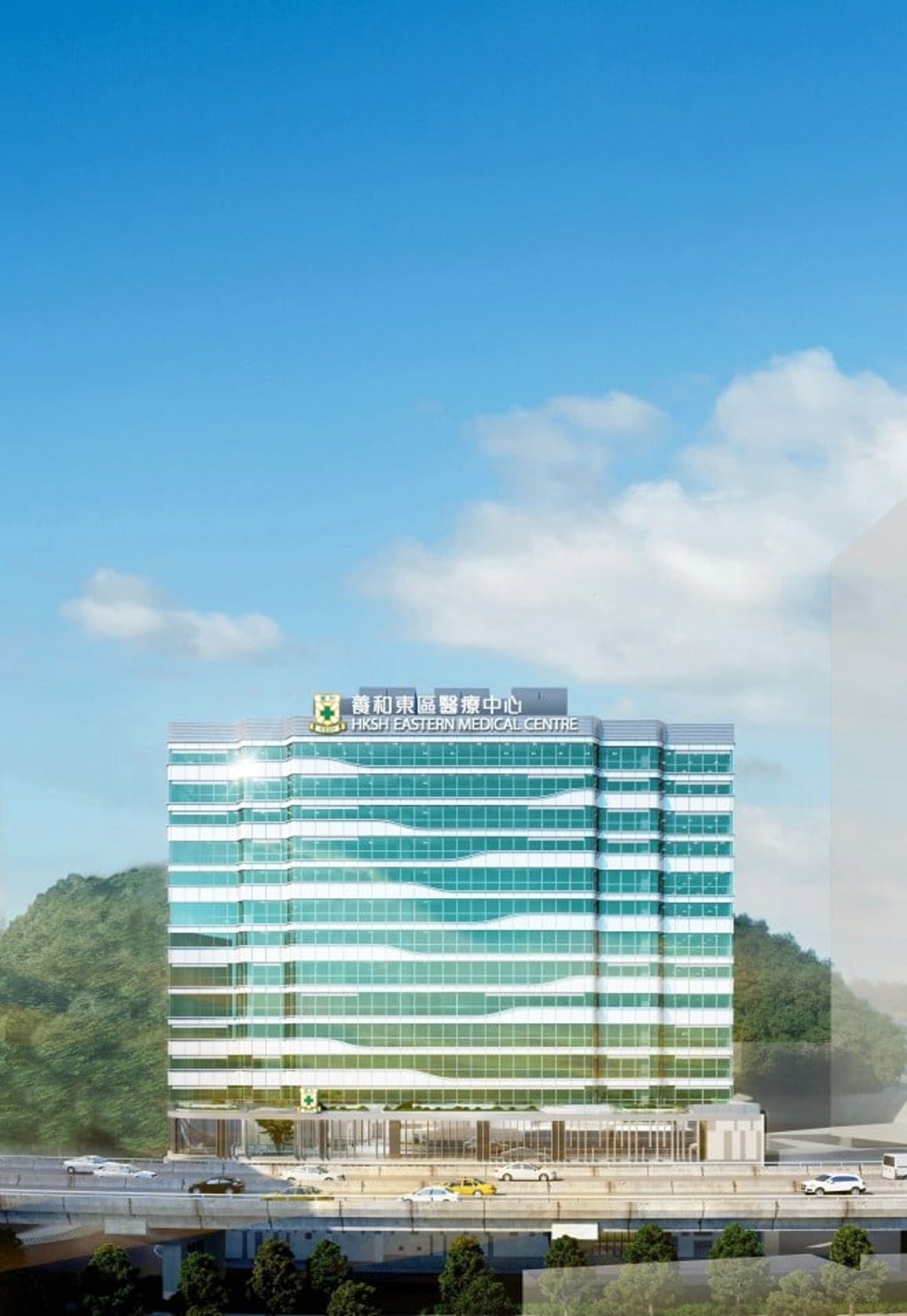
“This is Asia’s first independent cancer centre that is separate from a hospital. Apart from space limitations at the Hospital, another reason for this is that many new technologies cannot be mixed with other uses at the hospital, and we want to find the best care pathways for cancer patients. So now the diagnosis, ambulatory radiotherapy and chemotherapy will be basedhere, while surgical procedures and inpatient services will be done at the hospital in Happy Valley,” explained Mr Wyman Li, Chief Operating Officer of HKSH Medical Group cum Manager (Administration) of Hong Kong Sanatorium & Hospital.
One of most commonly used ways to treatment cancer is radiotherapy, which uses high doses of radiation to kill malignant cells. However, since radiation is delivered from outside the body, the challenge is to identity the exact position of the tumour in order to keep damage to adjacent areas and organs to a minimum. Add moving organs and daily changes in the tumour, and the difficulty is compounded.
Conventionally, image guided radiotherapy relies on X-ray imaging including CT scan. To compensate for the insufficient image clarity and potential positional changes of the tumor, radiation is delivered to a larger area that results in more side effects. This short comings may also prohibit delivery of higher dose to the tumor to increase the tumor control.
MR-guided radiotherapy, which gives a much clearer and functional image, and enables adjustments in real time, is the future of cancer treatment because it allows for dose escalation, a much more precise radiation delivery and a better chance for predicting treatment response.
Mr Li said: “It used to be impossible to combine MRI and radiation since the cost would be prohibitive. The technology is now available but the system itself is still very expensive, and requires a lot of resources to run it. The four-bunker HKSH Cancer Centre, is able to support these state-of-the-art systems. We have also purchased a supercomputer to assist with the calculation and invested a lot of human capital to run tests and adopt overseas practices into our operation.”
At the HKSH Cancer Centre, a number of MR-guided diagnostic and treatment systems have been installed, including Asia’s first MR Linac, Hong Kong’s only MR Simulator, the latest Radixact X9, and Versa HD as well as China’s first SiPM-based PET/CT scanner.
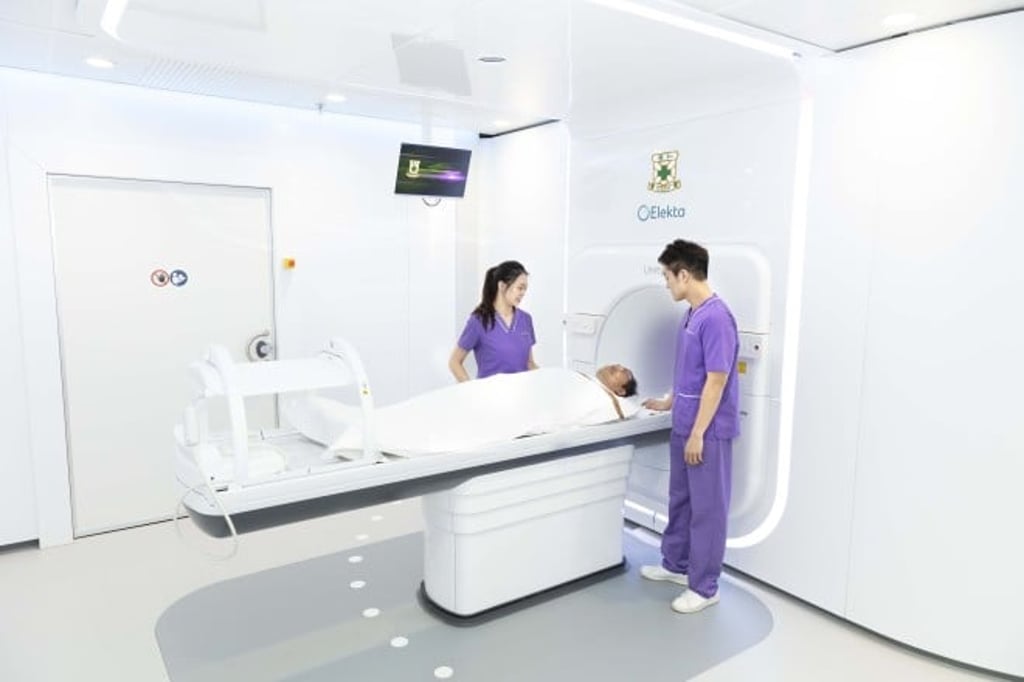
The MR Linac, which stands for Magnetic Resonance Linear Accelerator, combines an MR scanner and linear accelerator to precisely locate tumours, tailor the radiation in real time and accurately deliver it to cancer cells. Currently, there are only 11 sets of MR Linac in the world.
The HKSH Cancer Centre now belongs to a consortium of renowned hospitals and medical institutions from around the world that use an MR Linac and a symposium was hosted by the Centre on June 9 for international experts to share clinical experience on MR-guided radiotherapy with local medical practitioners.
Mr Li and his brother, Dr Walton Li, Chief Executive Officer of HKSH Medical Group cum Medical Superintendent of Hong Kong Sanatorium & Hospital, aim to make the HKSH Cancer Centre one of the world’s best facilities in cancer treatment. Its next important milestone is the opening of Hong Kong’s first proton therapy centre in 2022.
Dr Li, who is himself a cancer survivor, understands the trauma cancer patients go through and the importance of a smooth treatment journey for both patients and their families.
He said: “There are many stages of cancer so patient needs may be very different. Many can lead a normal life while they receive treatment, while some are hospitalised and need palliative care. It is important to craft a different environment for different patients to lessen the trauma.”
“The HKSH Cancer Centre is designed to provide the best support to patients, with a comfortable environment that caters to patients and their families who also spend a lot of time here because peer and family support is crucial to the wellbeing of the patient. Each patient also has a dedicated ‘case nurse’ who closely follows through their entire treatment journey, from diagnosis to rehabilitation, from admission to payment, so that patients feel taken care of at all times and there is always someone to answer their questions, to put their minds at ease.”
The case nurses at HKSH Cancer Centre have received specialist training in oncological care and sent to study at overseas institutions such as the UCLA Medical Center and UCSF Medical Center to learn from the best clinical practices.
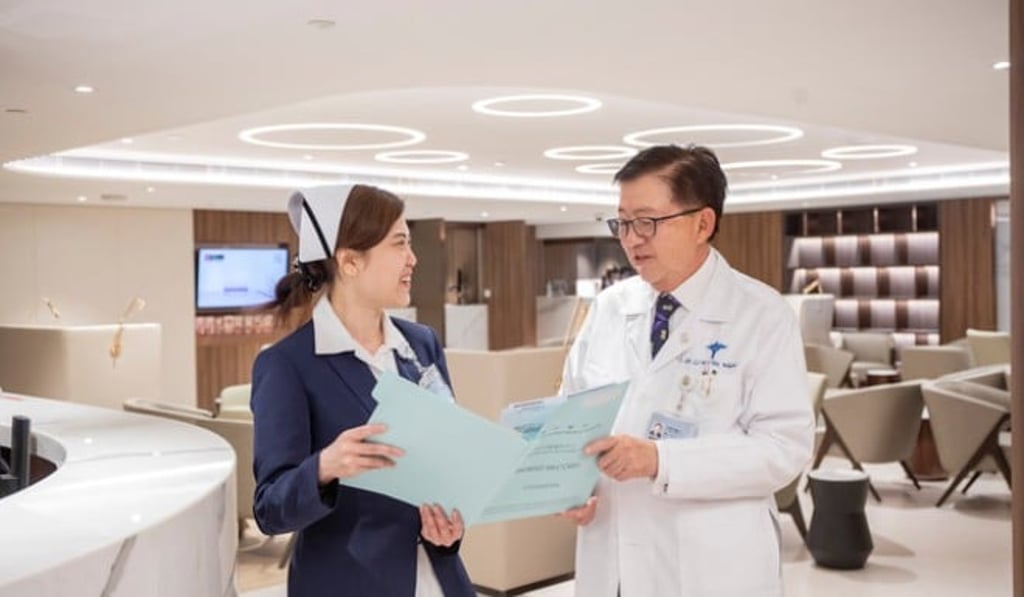
“The HKSH Eastern Medical Centre will serve the Eastern district as a whole. When fully operational, we will offer a full spectrum of medical services including family medicine and primary care and health assessment for the community. We also hope that by bringing the cancer centre to the community we can help to educate the public about cancer and eliminate the prejudice against cancer patients,” Dr Li added.
The cancer centre is drawing on the longstanding expertise of HKSH’s Comprehensive Oncology Centre, which has been accredited by National Medical Products Administration (NMPA) in China to undertake clinical drug trials on behalf of applicants seeking official drug registration. The granting of this status was announced on April 26 in a joint statement by the NMPA and the Hong Kong Department of Health. HKSH has also recently signed an agreement with Peking Union Medical College Hospital, China’s top hospital, for the two institutions to forge a closer collaboration. The signing ceremony was attended by officials from National Health Commission and The Liaison Office of the Central People’s Government in the HKSAR.
The Box
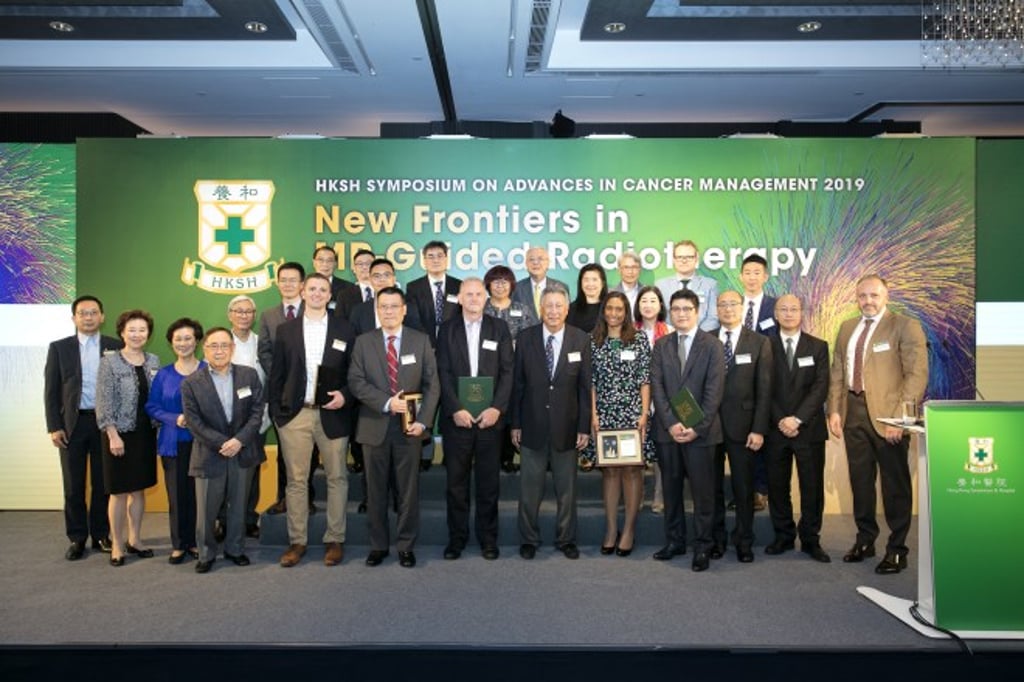
HKSH Symposium on Advances in Cancer Management was held on June 9, 2019. The symposium served as a platform where advances and best practices in multimodality cancer management, spanning from diagnosis to treatment, from clinical research to practical care management, were discussed and shared with clinical health professionals with an ultimate goal to improve the well-being of cancer patients in Hong Kong and elsewhere.