Advertisement
Support MSF to Save Lives
Hong Kong

More public support needed for MSF life-saving relief efforts in war-torn regions

  • Risks in war-ravaged regions in the Middle East do not deter professionals from the international aid organisation from delivering humanitarian medical services to those in dire need.
  • Registered nurse and midwife Krystal So from Hong Kong shares her experience of helping women and children in conflict-stricken Gaza.
     

Paid Post:Medecins Sans Frontieres
3-MIN READ3-MIN
The maternity department at Nasser Hospital in Gaza has been overwhelmed with locals seeking consultations.
Advertising partner

[The content of this article has been produced by our advertising partner.]

The conflict in Gaza, which started in October 2023, has completely crippled the local healthcare system, leading to significant casualties. Krystal So, midwife activity manager for Médecins Sans Frontières (MSF), assisted Gazans during two stints at Nasser Hospital in May and September this year, despite the heavy bombardment damaging healthcare facilities.

In Gaza, more than 10,000 hours have passed with the sounds of fighter jets becoming daily background noise, and there has been no moment of peace, Krystal reflected.

Advertisement

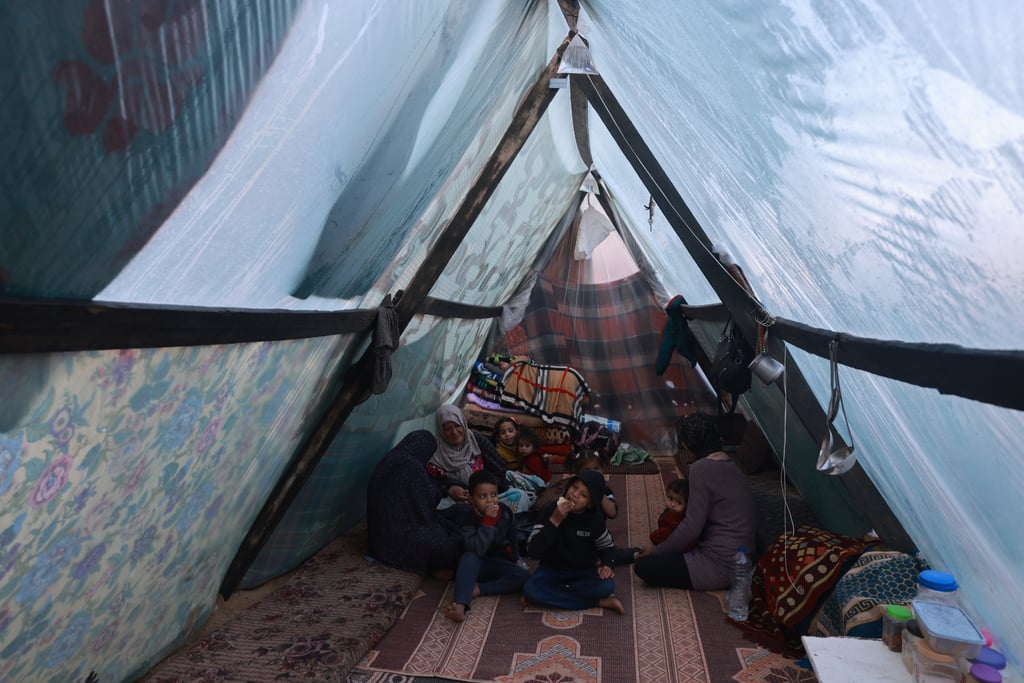
“In more than a year, no miracles have occurred, and there hasn't been enough food or drinking water. Gazans have had to flee from the war multiple times, moving their entire families. They endure the scorching summer and the harsh winter in tents, but cannot escape the bombs falling from the sky,” she recounts. “They watch helplessly as family members, children, parents, and best friends die around them.”
In many cultures, the birth of newborns symbolises hope. But hope is exactly what is lacking among the displaced Gazans.
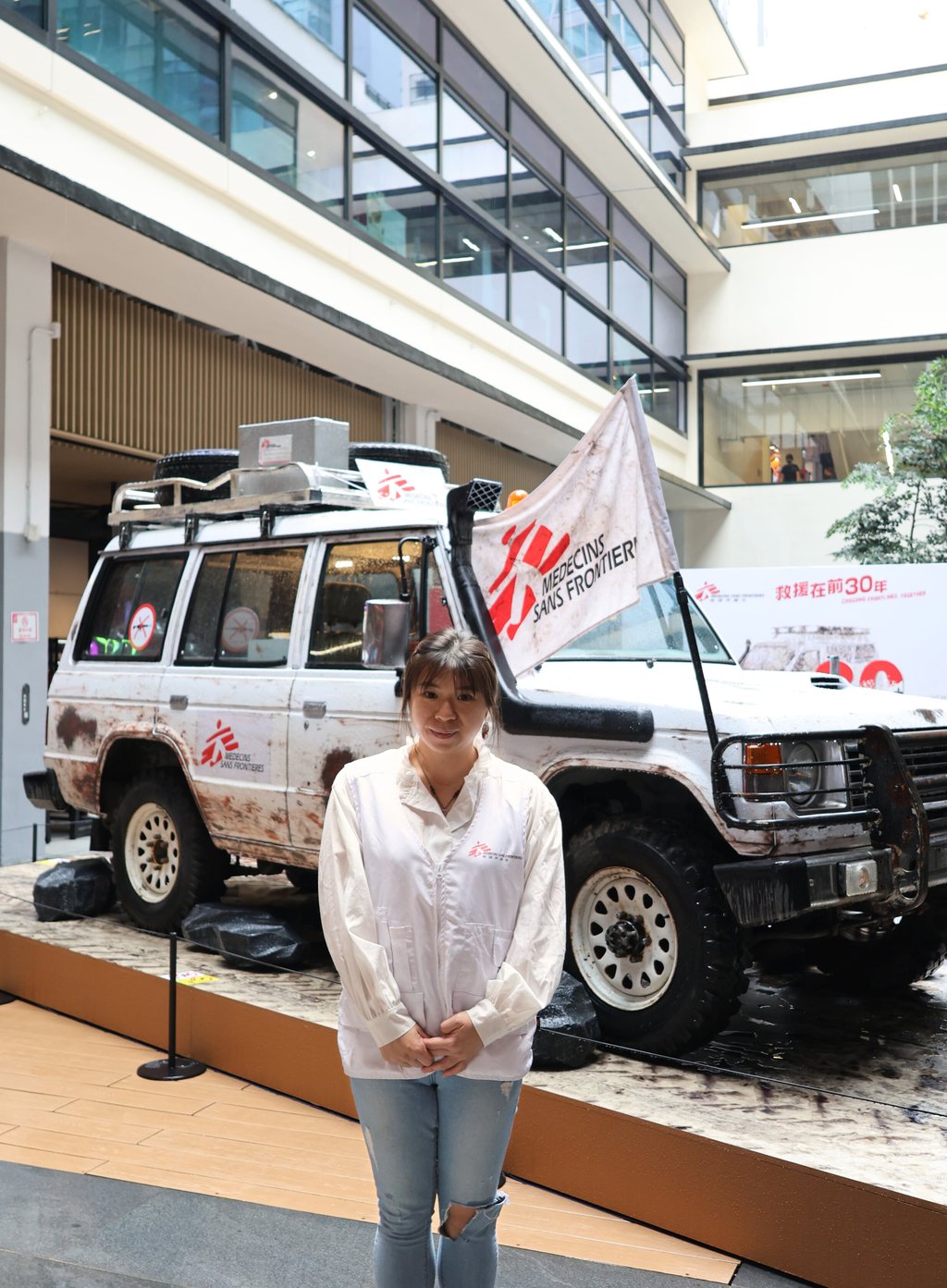
MSF midwife activity manager, Krystal So, worked in Gaza in May and September this year.
Krystal recounted that buildings would frequently shake at night due to bombings. She once witnessed the hospital entrance being bombed, and heard shootings near the clinic. What saddened her more is that two local colleagues lost their lives in the conflict during her second stint in Gaza. She admitted feeling "very heavy-hearted" upon learning of her colleagues' deaths, and the entire team couldn’t function for half a day. The things she witnessed constantly reminded herself of the reason behind her return: "It's because they are facing these difficulties and harsh realities, so I want to continue to learn, help, and work together with them."
Advertisement
“In more than a year, people have heard hysterical screams, smelled the stench of blood, shed endless tears, and witnessed people covered in scars,” Krystal notes. “The merciless war has gone too far, shattering the dreams of an entire society overnight and leaving them with nothing. Babies' faces have been torn apart by explosions, and orphans are forced to beg for food on the streets.”
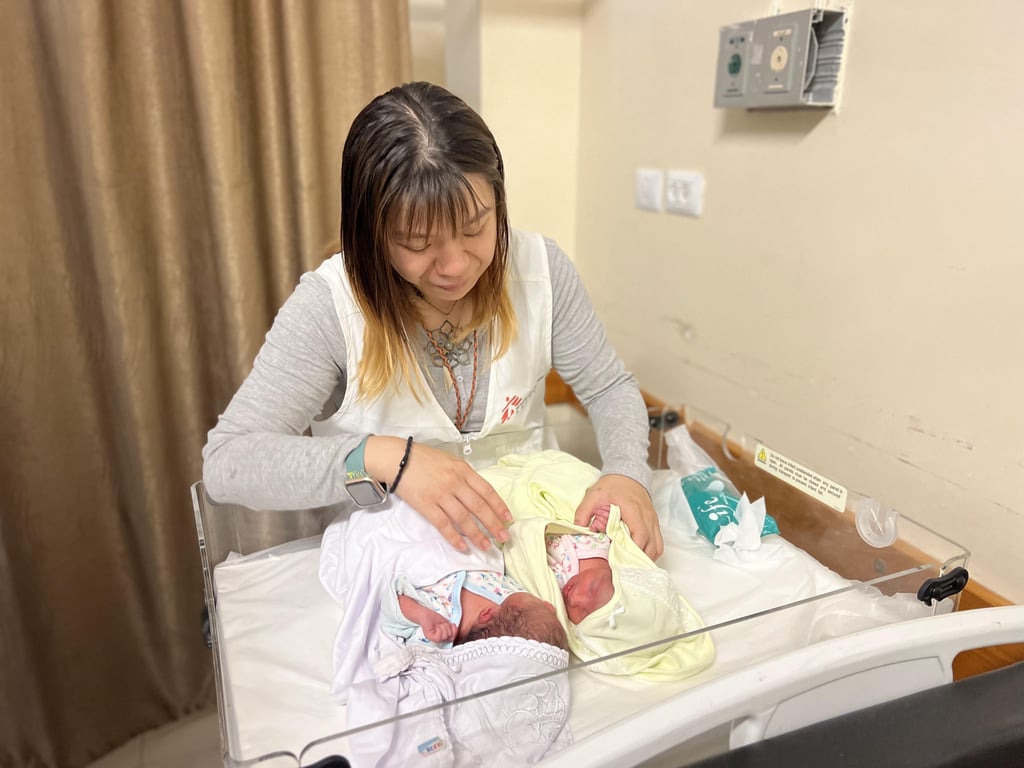
Krystal checked on newborn babies at Nasser Hospital.
The relentless bombings have led to increasing despair, helplessness, and physical and mental breakdowns among the Gazans, Krystal observes. "No one, not even international organisations, expected the conflict to last for more than a year.”
While there were still children playing and smiling in May, during her second stint in September there were "much fewer smiles and a complete reluctance to communicate,” Krystal notes, adding that children often cried and broke down when seeking help at the hospital. Due to shortages of supplies, more children were scavenging, begging, fetching water, and searching for food in garbage heaps.
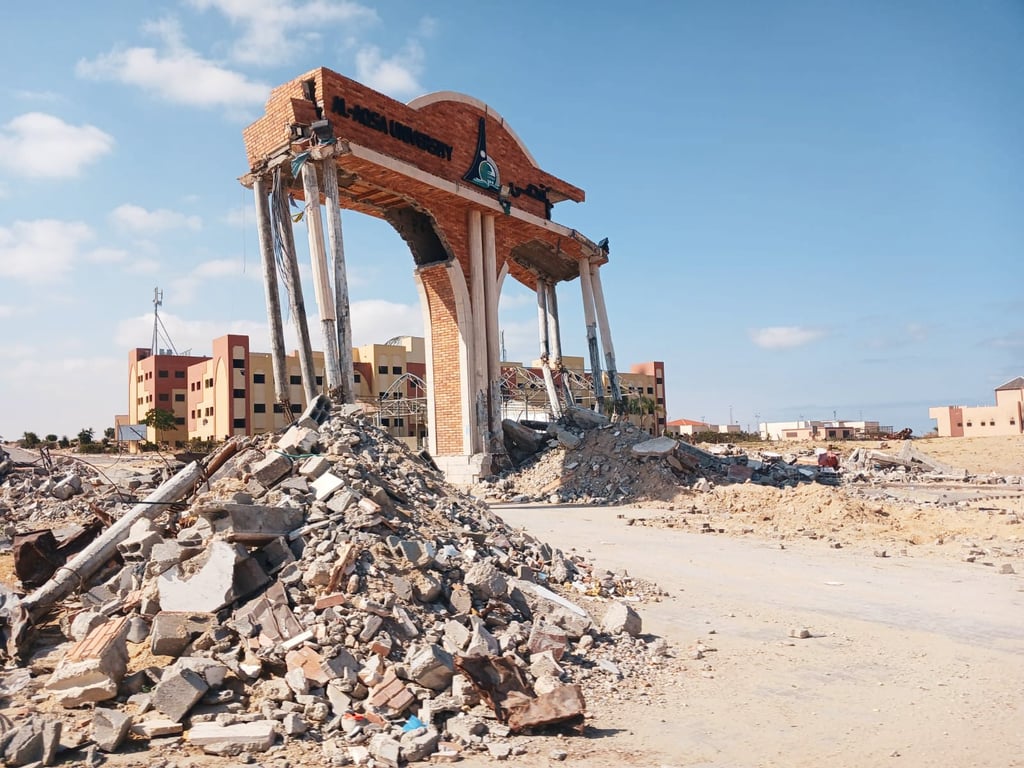
Incessant bombardments reduced Gaza to ruins.
With ongoing border closures and a destroyed water supply system, Gaza has been stricken with severe shortages of medicine, water, and food. Relief efforts by the MSF team have been hampered. Members have experienced a lack of sugar, eggs, blankets, and even basic painkillers. Krystal mentions the serious issue of food insecurity and poor hygiene conditions affecting MSF staff. She contracted a skin disease during her assignment in May. In September, the entire team suffered from diarrhoea and vomiting.
Despite the hardship, between October 2023 and November 2024, MSF’s team provided 471,880 outpatient consultations; delivered 76,459 emergency presentations; treated 38,190 people for diarrhoea; conducted 9,267 surgical interventions; admitted 17,071 inpatients; delivered 23,306 ante-natal consultations; made 6,238 deliveries; and provided 31,747 non-communicable disease consultations.
Conflict has robbed families of their hopes.
Advertisement

But even if physical wounds can be cured, there is still a significant need for mental health support in the society, Krystal says. The impact of the war on children is profound, with schools closing and children no longer attending classes. "They have lost all prospects and hope." The team had therefore introduced many new initiatives, addressing not only malnutrition but also providing emotional and psychological support for women and children. “The process is exhausting but fulfilling,” she says. MSF provided over 22,616 mental health consultations over a year in Gaza.

Lebanon

Since September 2024, the conflict has spread to Lebanon. The country's Ministry of Public Health announced that bombings have displaced over 1.2 million people, killed more than 2,000, and injured 11,000. In response to the evolving situation, MSF has expanded emergency support to multiple regions, deploying mobile medical teams to meet various needs.

Advertisement

Facing issues of staff shortages and forced closures of medical facilities, MSF has coordinated with local organisations for relief projects, deploying ten mobile medical teams to provide consultations and mental health support.

As of 11 November 2024, MSF has delivered 18,594 medical consultations, conducted 3,202 individual mental health counselling sessions, and answered 1,755 mental health helpline calls. It has also distributed 18,198 hygiene kits, 22,342 food rations, 13,052 blankets, 10,766 mattresses, and provided 134,905 litres of drinking water.

Your support helps sustain hope

Advertisement
From individuals in war-torn districts who have lost families and friends to the next generation growing up in the midst of war, they need support to heal their physical and psychological wounds. Only when their bodies and minds are healed will they have hope and be able to rebuild their lives.
 
Your donation helps us continue assisting those in need and letting them keep their hopes. https://bit.ly/3VbWZPC


Advertisement
Advertisement
Select Voice
Select Speed
1.00x