Visa: ‘tap-to-ride’ is a game-changing urban transit payment method for locals and tourists
- Adoption of open-loop transit payment systems is on the rise worldwide in response to growing demand for a smooth transport experience
- Visa is leveraging its global network and expertise to partner with transit operators and government agencies to implement contactless payment solutions

[Sponsored article]
In cities across the globe, smart mobility transit systems are increasingly common, where open-loop payment technology brings benefits that go well beyond commuter convenience.
Digital payments using an open-loop system are the key to more efficient transit systems. With such systems in place, universal payment technology enables commuters to experience greater convenience: a simple “tap-to-ride” solution, using an existing credit card, debit card or mobile wallet, accessible across all forms of transport.
Consumers are now demanding such services. Visa’s recent “Global Urban Mobility” survey suggests that contactless payment systems are at a tipping point: as commuters become more accustomed to the convenience of the tap-to-ride concept, they will become a catalyst for more streamlined and consistent payment systems that help drive a digital economy.
In Asia, where public transport fuels mobility in densely packed cities, the desire for choice and convenience is creating demand for contactless payments.
The emergence of digital natives is also influencing demand, with the behaviour of Generation Z and millennials helping the shift towards digital modes of payment.

The survey suggests Generation Z and millennials are likely to use public transport more frequently if they can pay for all modes of transport using just one method. Their behaviour will play a key role in shaping societies and the way people move around. This is already evident in countries such as India and Vietnam, where contactless payment methods are being rolled out across public transport networks.
According to Visa’s survey, 57 per cent of respondents prefer a one-stop digital service for bookings and payments across public transport. Visa’s initiatives in this field are part of a broader concept known as Mobility-as-a-Service (MaaS), which aims to integrate various modes of transport and service providers into a single platform, making it easier and more accessible to navigate cities for locals and tourists alike.
“Open-loop transit payments are a crucial component for MaaS to be successful, as it enables consumers to pay for multiple modes of transport through a single app, overcoming payment interoperability challenges and adding convenience to all consumers,” says Previn Pillay, Visa’s head of merchant sales and acquiring, Asia-Pacific. “This eliminates the frustration and time taken to toggle between different transport cards, tickets or even cash, as consumers move from one point to another.”
While several companies have made strides in this field with itinerary planning and ride-hailing apps, the difficulties with seamless payments across different means of transport remains a pain point. “This is where payments technology companies such as Visa play a pivotal role by helping to unify a payment landscape that could be fragmented, frustrating and confusing for commuters,” he says.

A single and interoperable platform also enables commuters to plan, pay and earn rewards as they traverse different forms of transport.
The adoption of MaaS platforms is under way in Asia. By the end of this year, commuters in Singapore will be able to use a single app called SimplyGo, to plan, book and pay for their transport, whether it be by train, bus, cab, bike or car-sharing services.
A similar initiative is under way in Japan, where a MaaS platform includes services that enable users to plan their routes and find timetables.
The open-loop system has benefits beyond interoperability. For example, the adoption of tokenisation enabled by digital payment solutions like Cybersource can replace sensitive card data with a unique identifier to reduce the risk of fraud for users. It also permits transit operators to securely gather insights into passengers’ travel habits, which may be used to further improve systems.
This would help reveal data on factors such as ridership to better understand how residents and visitors navigate around cities over time, Previn says. “In turn, mobility providers can optimise services, reduce congestion and improve operational efficiency, while commuters and visitors can enjoy a seamless, consistent travel experience, thereby creating a cycle of benefits for people, communities and contributing to the overall sustainability of cities.”
Leveraging its network and expertise, Visa has been working closely with global partners to improve urban travel. To date, Visa has launched more than 750 contactless public transit projects worldwide in cities including London and New York. In the 2023 fiscal year, it processed 1.6 billion tap-to-ride payments globally, up 30 per cent from the previous year.
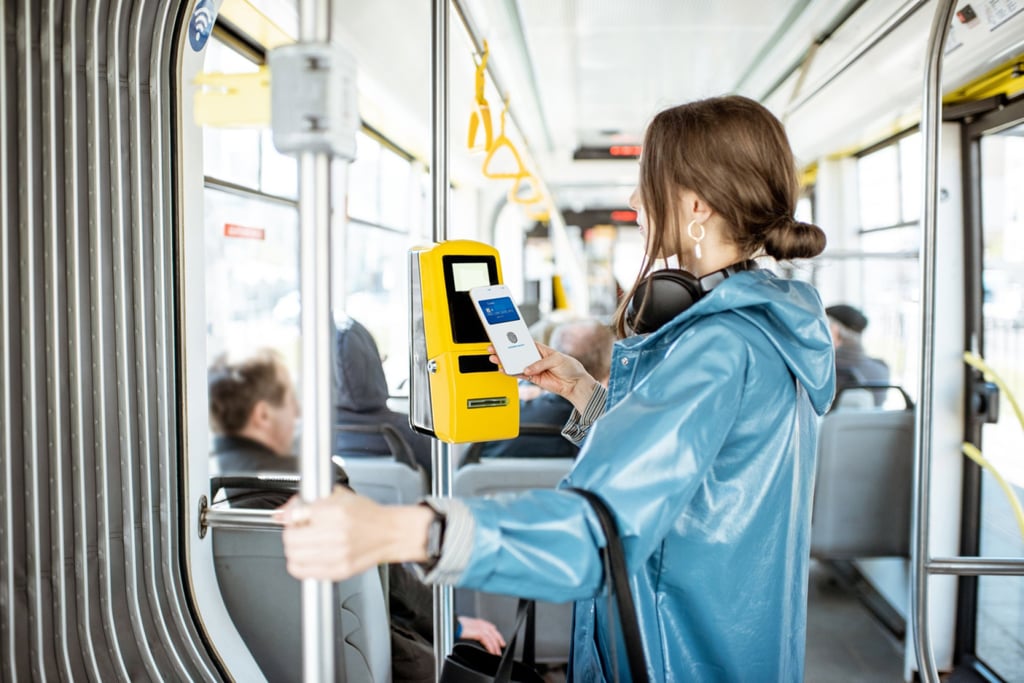
In addition to easing the daily commute experience for city residents, the open-loop transit concept is now seen as a basic and convenient urban service for overseas visitors, contributing to greater spending and tourism opportunities.
In an effort to cater to the number of passengers at Kansai International Airport, Osaka, Nankai Electric Railway, a major railway operator in the prefecture, partnered with Visa in 2020. The partnership in Japan’s third-largest city aims to accelerate the adoption of open-loop contactless payments across the railway system, seamlessly connecting the airport with different parts of the prefecture.
According to VisaNet data on inbound visitors to Japan earlier this year, Visa cardholders who used tap-to-ride features on public transport in December 2022 exhibited stronger spending in the subsequent two months than those who did not. The data suggests that, on average, Visa cardholders using tap-to-ride increased their monthly spend by 224 per cent year-on-year, compared to the 190 per cent figure for those that did not use tap-to-ride.
Another city moving towards smart mobility is Hong Kong, where the metro, buses, trams and taxis are all likely to see a rise in the adoption of open-loop contactless payments. This will pave the way for Hong Kong to realise its smart-city vision, in turn enhancing its overall appeal as a global tourist destination.
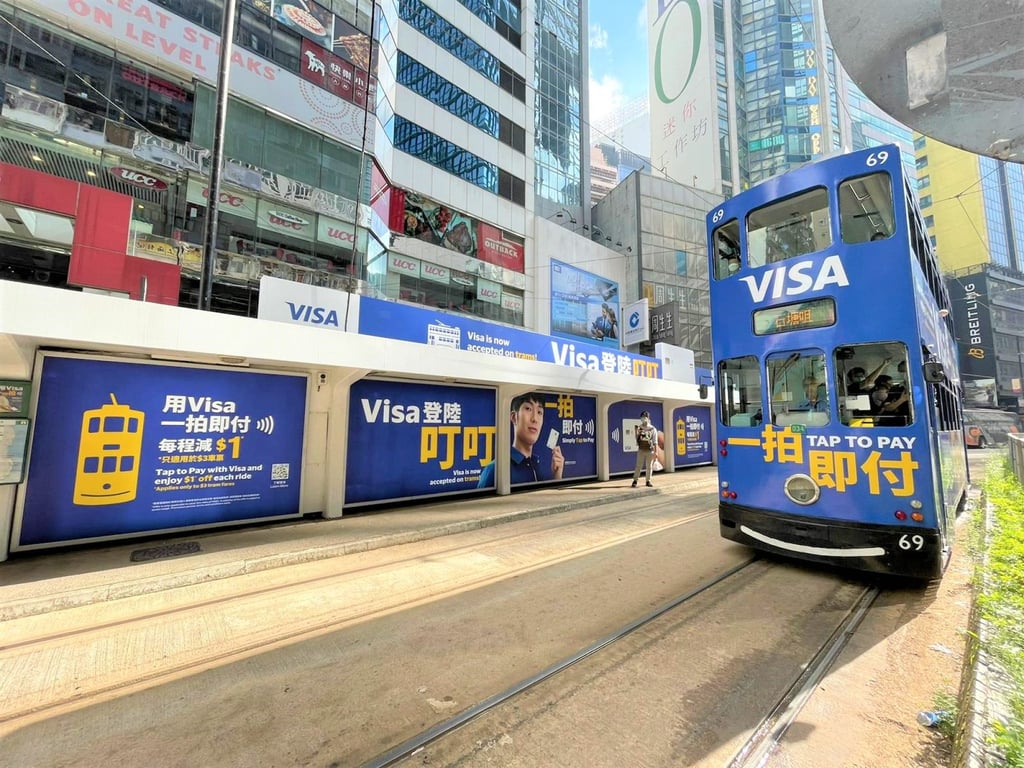
“Public transport is a significant part of people’s daily lives. This is where we can deliver the best everyday value of Visa to local commuters and tourists,” says Melissa Goh, Visa’s head of merchant sales and acquiring, Hong Kong and Macau. “I always enjoy the convenience of using my credit card as a consumer when I’m travelling overseas, and I hope travellers coming to Hong Kong will enjoy the same experience.”
Goh believes that tap-to-ride will become not just part of people’s daily routines, but also an important urban amenity for overseas visitors, who are increasingly looking for convenient ways to pay when they travel. “Ultimately, tap-to-ride will catalyse a broader acceptance and use of digital payments. Our goal is to connect public transport to our innovative, secure and reliable payment networks, ensuring frictionless door-to-door commuting for everyone everywhere,” she says.