Physical AI Takes Center Stage: Smart Assistants Break Free from Digital Confines to Real-World Interactions
CES 2026 demonstrations signal a shift toward AI systems that operate seamlessly among smart appliances and connected devices

[The content of this article has been produced by our advertising partner.]
Artificial intelligence is undergoing a fundamental transformation, moving beyond the screen-based interactions that have dominated consumer technology for the past decade. At this year's Consumer Electronics Show (CES) in Las Vegas, the shift became particularly evident as companies showcased AI systems designed to operate directly with physical devices and smart home environments.
The evolution represents a significant departure from current AI assistants, which remain largely confined to specific devices or require explicit user commands. This emerging trend suggests the sector is entering a new phase characterized by proactive, context-aware AI that can coordinate actions across multiple devices with enhanced automation capabilities.
Beyond the AI agents
Several technological developments are converging to enable this transition. The proliferation of IoT devices has created extensive sensor networks capable of providing AI systems with rich environmental data. Meanwhile, advances in edge computing enable reliable, low-latency real-time communication systems specifically designed for AI devices.
Multi-modal AI, systems that can simultaneously process voice, visual, and environmental data, represent another crucial development, allowing smart appliances in the real world to coordinate seamlessly around human needs through enhanced sensory capabilities and realizing true physical AI.
Among the most compelling demonstrations at CES 2026, global AI cloud platform service provider Tuya Smart unveiled Hey Tuya, an AI assistant that exemplifies this convergence. The platform showcases what the company describes as "cross-device orchestration," where a multi-agent collaborative architecture moves AI beyond screens to deliver intelligent assistance across home, office, and daily life scenarios.
Alex Yang, Co-founder, COO & CFO of Tuya, stated in a keynote speech at the Las Vegas convention that AI is evolving beyond screens and commands into our physical environments, fundamentally shifting user expectations from reactive control to proactive, collaborative, and scenario-driven experiences. He explained that Hey Tuya exemplifies this transformation as an AI life assistant designed to orchestrate Physical AI devices and deliver system-level services across everyday scenarios.
Versatile Applications in Different Scenarios
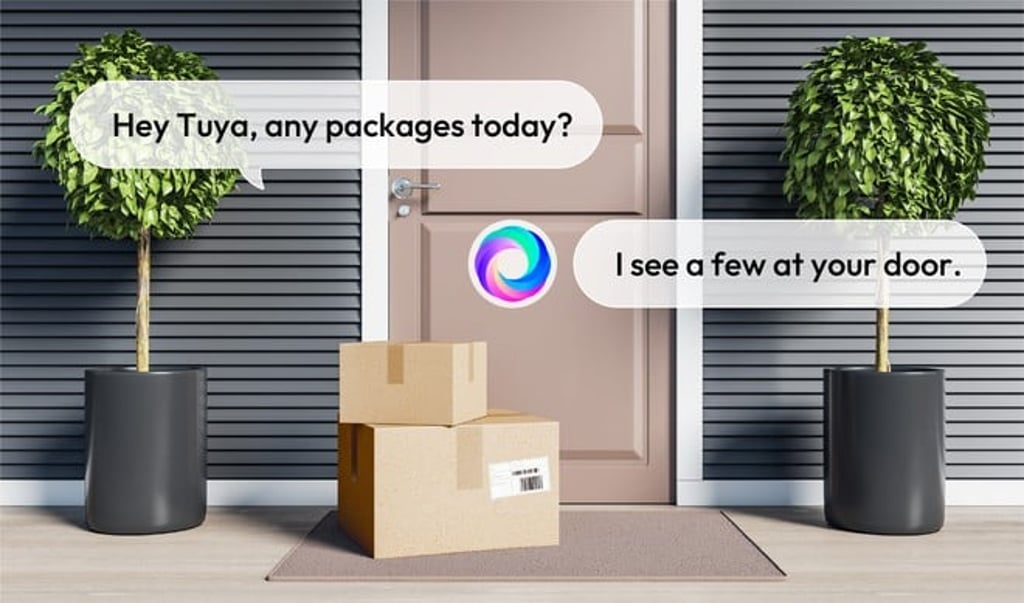
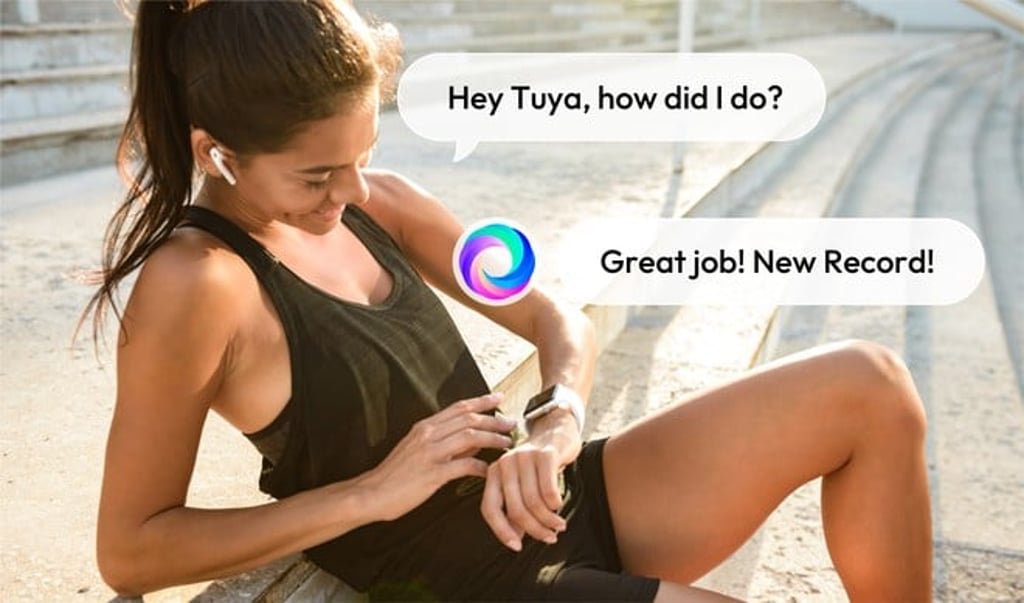
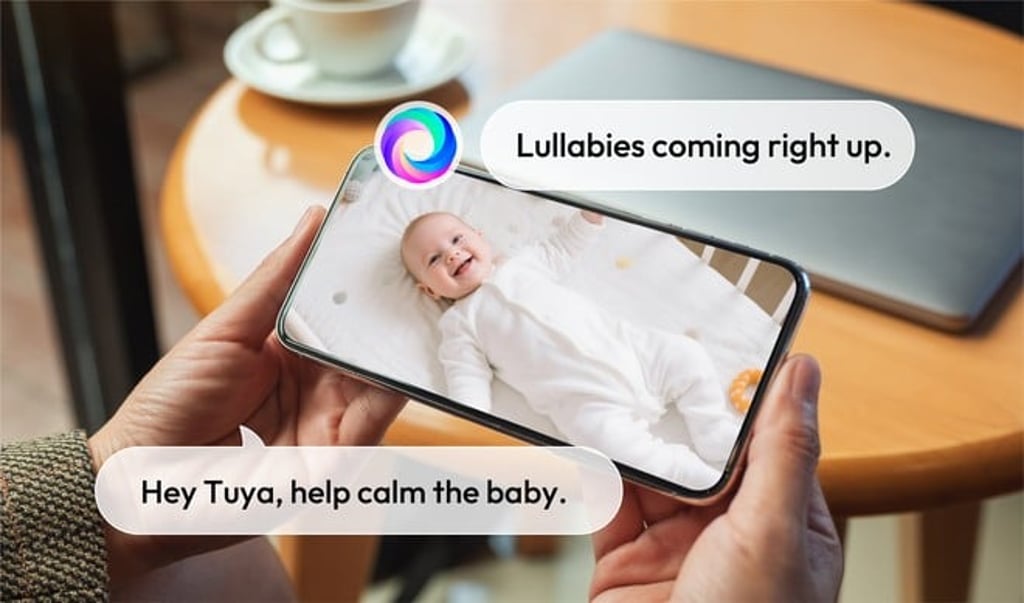
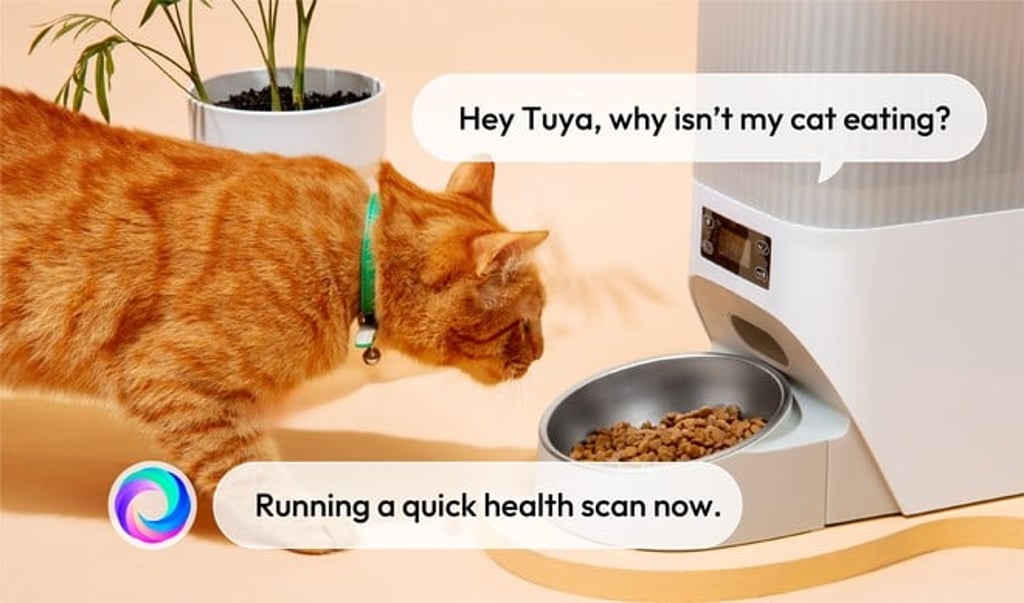
The system operates on Tuya’s Physical AI Engine (PAE), which is built upon Tuya Real-Time Communication (T-RTC), a communication system that runs on a global edge network, the AI-Device Real-Time Network (AD-RTN), to enable low-latency interactions between AI systems and smart devices. The platform combines natural language processing, computer vision and IoT device control engines, while proprietary memory technology enables continuous learning from user interactions.
The architecture coordinates AI decision-making with physical device control through adaptive orchestration, creating automated responses to environmental changes. With more than 12,000 AI agents on the platform processing 155 million daily interactions globally, Hey Tuya functions as both a consumer product and an open development platform for manufacturers seeking to integrate physical AI capabilities.
Market Dynamics
The AI assistant market is experiencing significant fragmentation as regional players gain traction by focusing on local languages, cultural contexts, and regulatory requirements. Tuya's approach emphasizes ecosystem openness rather than device exclusivity.
Operating across more than 200 countries and regions, the company's platform allows original equipment manufacturer partners to integrate Hey Tuya capabilities into their branded applications.
The strategy reflects broader industry debates about AI ecosystem architecture. While closed systems offer tighter integration and potentially better user experiences, open platforms enable greater customization and developer participation, potentially accelerating innovation across the ecosystem.
The Future of AI Assistants
When a user indicates they are leaving home, Hey Tuya does not merely acknowledge the statement but initiates a complex sequence of actions: adjusting lighting, activating security protocols, optimizing energy consumption, and maintaining connectivity across devices.
This demonstrates the shift from reactive tools to proactive partners that anticipate user needs, a fundamental change in human-computer interaction paradigms.
As the industry moves toward this ambient future, early implementations like Hey Tuya provide valuable insights into balancing technological possibilities with human acceptance. The transformation from screen-based to ambient AI represents more than technological evolution. It signals a fundamental shift in how we interact with intelligent systems in our daily lives.