Is ‘sea rice’ the next superfood? Eelgrass – sustainable, with nutrient-rich grains, and growing in salt water – championed by top chef Ángel León
- Grown in seawater, eelgrass, the grains of which three-Michelin star chef Ángel León calls ‘sea rice’, has potential to be the next green supercrop, he believes
- León has spent the past 15 years developing novel foods, such as a dessert made with fish; his most recent find is the ‘super sea soybean of the 21st century’
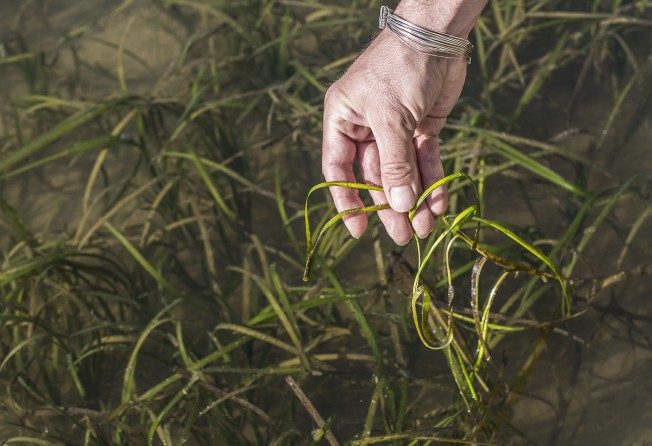
In the Balbanera salt pans on the flat plains of the Bay of Cádiz, in southern Spain, biologist Juan Martín Bermúdez pulls a clump of long grass from the water. It appears unremarkable, a messy bunch of thin, flat tendrils that flutter in the salty coastal breeze. But this plant is a treasure.
Environmentalists have long known the value of Zostera marina in fighting climate change – underwater meadows of the seagrass can capture carbon 35 times faster than tropical rainforests.
Print option is available for subscribers only.
SUBSCRIBE NOW