
Cinemas shine bright in city’s fast-changing property leasing market
Landlords must react promptly to market changes in order to sustain the leasing momentum
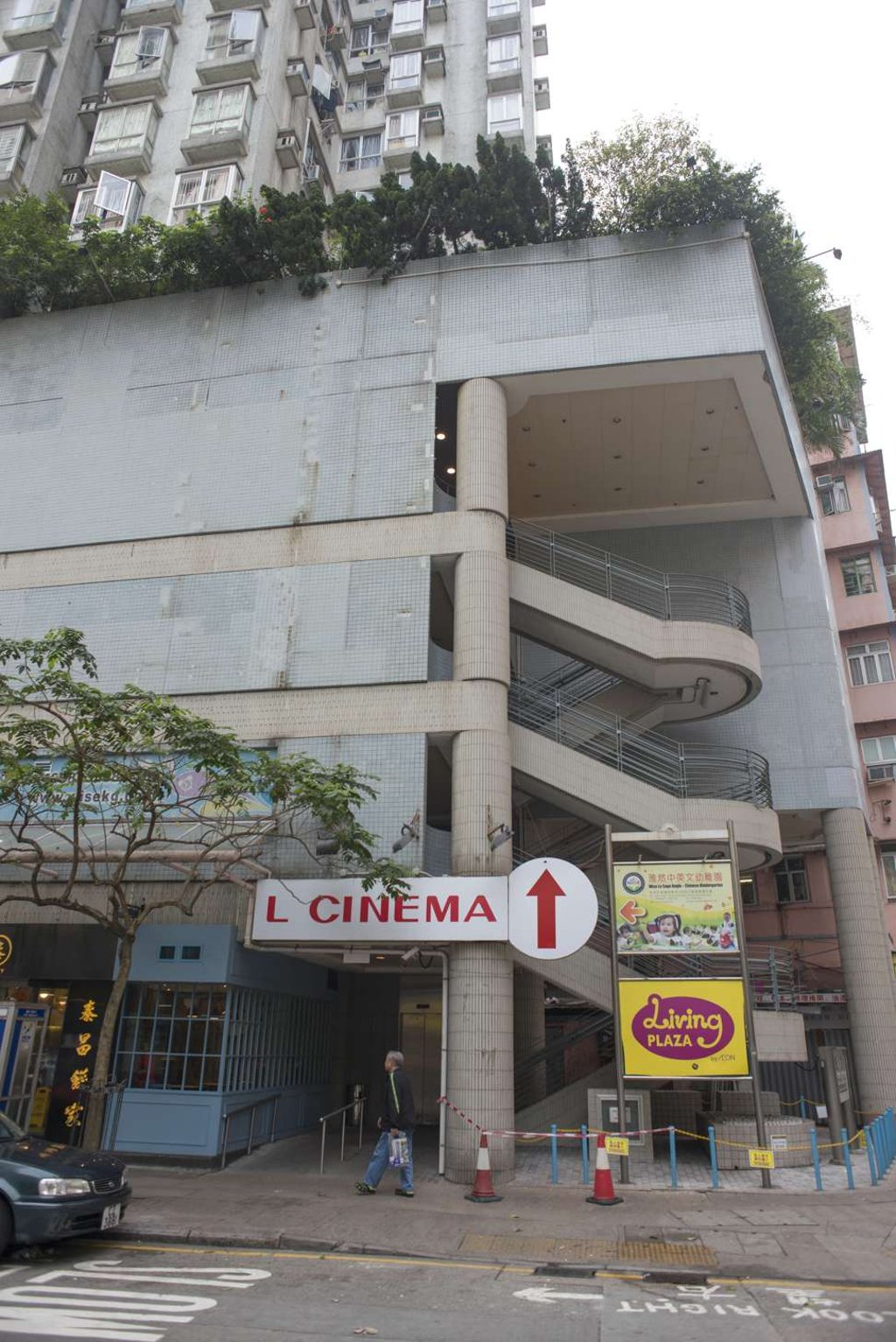
![This image shows the interior of the new L Cinema located at 2/F, Galaxy Plaza, 2 Mong Lung Street, Shau Kei Wan, Hong Kong. 21APR16 [SOMETHING NEW POST MAGAZINE]](https://cdn.i-scmp.com/sites/default/files/styles/1200x800/public/images/methode/2017/04/10/f846f20a-1db8-11e7-ba38-4217a96bb749_1280x720_145402.JPG?itok=OizZWN-N)
Mall operators and high street shop owners need to react promptly to the ever-changing retail market in Hong Kong, especially at a time when trends are becoming more short-lived and varying more frequently than ever. The most recent trend to hit the Hong Kong retail market has been the growing number of landlords enlarging the size of cinemas or introducing new cinema operators to attract more patrons.
Cityplaza in Quarry Bay has plans to revamp its existing cinema this year, while New Town Plaza is also expanding its cinema operations. Last year, prime retail space in Entertainment Building in Central and Sugar Street in Causeway Bay were leased to cinema operators. These were said to be nostalgic moves since two prominent cinemas once operated in these locations nearly 50 years ago.
Several weeks ago, the government proposed to add new cinema clauses and conditions on two new sites in Sha Tin and Kai Tak, a rare move by the government. The conditions specify that the cinema must have a minimum amount of seats, and it bans changing the purpose of the cinema or reducing seat numbers within the first seven years. Once the seven-year clause ends, any subsequent alterations need to be approved by the Commerce and Economic Development Bureau.
Just a few years ago, developers and landlords shrugged cinemas off because they cannot pay as much rent as other retailers. According to CBRE’s market research, retailers could pay up to HK$300 per square foot, while restaurant rents range from HK$50 to HK$120 per square foot. A typical cinema with four screens needs 10,000 to 20,000 square feet of space. Coupled with the fact that the installation of a cinema requires the landlord to break down two or more floors to cater for the high ceiling specification, the rental return of cinema is much lower than other retailers on a per square foot basis.
So with cinema being the underdog for years in light of its lower rent per square foot, the advancement of television services and the rise in illegal streaming via set-top boxes, what is the impetus for the recent comeback?
The government said the move is to promote the development of arts and culture in Hong Kong. For landlords and developers, the motivation is purely financial.