Designers turn to crowdfunding sites to bring ideas to life
Enthusiastic backers help turn innovative ideas into products that can make a difference in daily lives

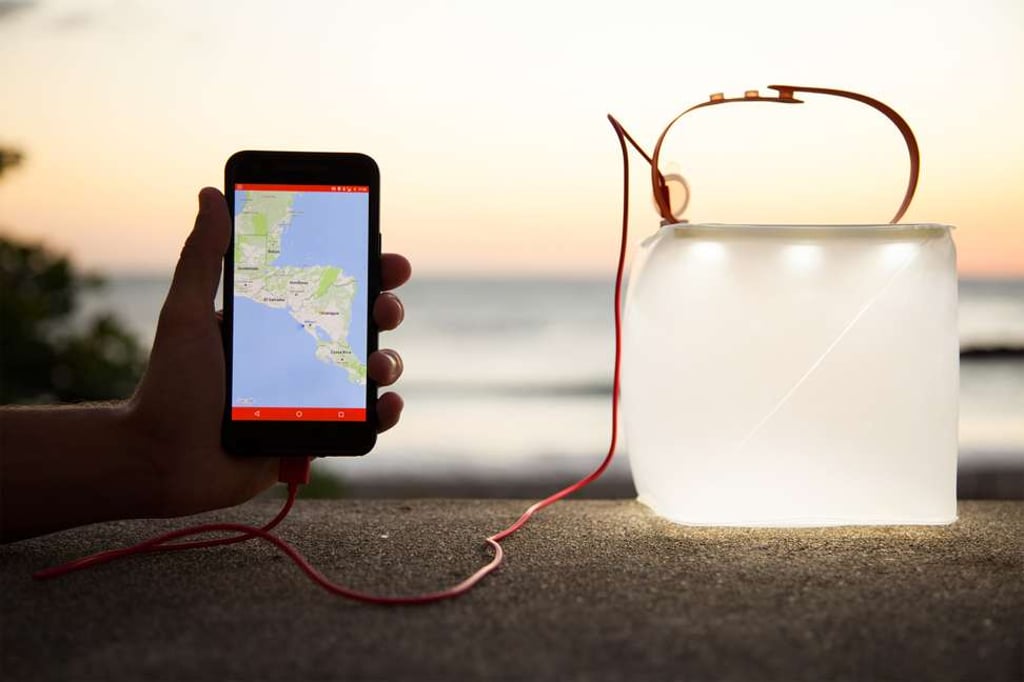
A pan that cooks multiple foods simultaneously; a pillow of light that does double-duty as a phone charger; slick desktop units that clean and cool the air around the user. These home and design products may never have seen light of day without great swathes of regular people backing their production.
According to statistics-collating firm Statista.com, crowdfunding is an increasingly viable source of financial support across numerous disciplines; in 2010, there were 3,910 successful projects on Kickstarter, a number that skyrocketed to 22,252 four years later. Designers who are taking to sites like Kickstarter and Indiegogo to fund their design innovations can bring in more than they asked for: the recently completed campaign for LuminAid, a solar inflatable lantern and phone charger, yielded almost US$280,000; the company set its target at only US$15,000. The product, which will retail for around US$40, will be released this summer, said co-founder Andrea Sreshta.
Hong Kong-based Dreambiz three years ago successfully used Kickstarter to fund the production of its MasterPan, a stovetop cooking utensil with five separate sections allowing users to grill fish, fry eggs and sear vegetables without the foods touching each other. The company raised US$53,000 – US$8,000 more than its goal, and the US$60 pan is now being sold on multiple etail platforms such as Amazon (where it’s in the top ten in its category) and in US stores like Target and Bed, Bath and Beyond and in Hong Kong through its website.
The out-of-the-gate success of the MasterPan has led the company to return to Kickstarter to launch two upcoming products. Still, Dreambiz sales director Deepak Nagrani says rampant copying mars the process.
“Factories [were] knocking us off as soon as we were done funding [the MasterPan],” said Nagrani, who was reluctant to reveal too much about new products except that one would “revolutionise the spice grinder”. Even with design and utility patents in the US, European Union and China, Nagrani said, “factories still copied ... in China nothing is sacred. [Intellectual property] laws are still a joke.”