China’s second-tier cities set for rapid house price inflation in coming decade, overshadowing Hong Kong, says DBS

Hong Kong’s soaring housing market is beginning to show signs of fatigue, an indication that it is likely to be overtaken by other Chinese cities in terms of price appreciation in the years to come, according to investment bank DBS.
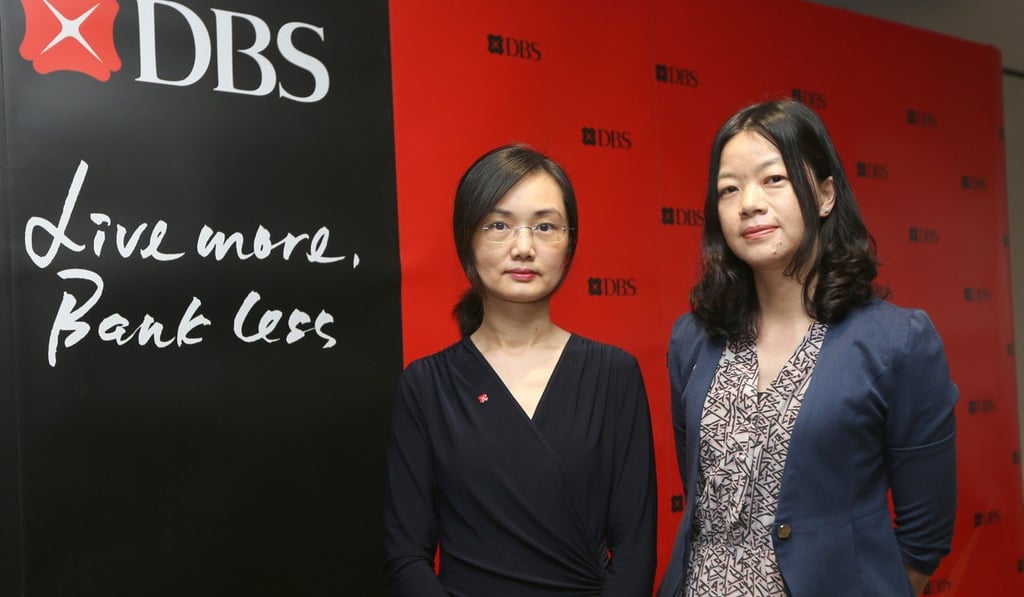
Prices are unlikely to rise meaningfully in the second half, and slower annual growth rates are likely to be the norm for the coming decade in light of an already high price base, said Carol Wu, head of China and Hong Kong research at DBS Bank (Hong Kong) at a media briefing on Wednesday.
“Our prediction of about 5 to 10 per cent price gain this year has already been reached,” said Wu. “Hong Kong’s home price growth will decelerate, rising at no more than 2 per cent a year on average through 2030, a rate similar to the inflation rate, given the growth in GDP per capita does not rise beyond expectations.”
DBS also noted that real estate price growth for top Asian cities, namely Singapore, Hong Kong, Beijing and Shanghai will decelerate by 2030, such that they will fall behind asset appreciation rates in lower-tier mainland cities such as Changsha, Wuhan, Qingdao and Guangzhou. Properties in these cities are expected to triple in value from the current level by 2030.
“For example, Wuhan’s housing price to GDP per capita ratio was only about 10 per cent in 2017,” said Wu. “Hong Kong’s ratio already peaked at 36 per cent last year however.”
Hong Kong also placed second behind Shenzhen in DBS’s Asia Mega Cities ranking.