Prices and rents of Hong Kong’s tiny flats to fall this year as coronavirus-driven uncertainty hits demand amid oversupply
- Rental yield for flats measuring less than 215 sq ft could fall below 1 per cent
- Rents are likely to fall because of rising unemployment, despite low interest rates and increased money supply, JLL says
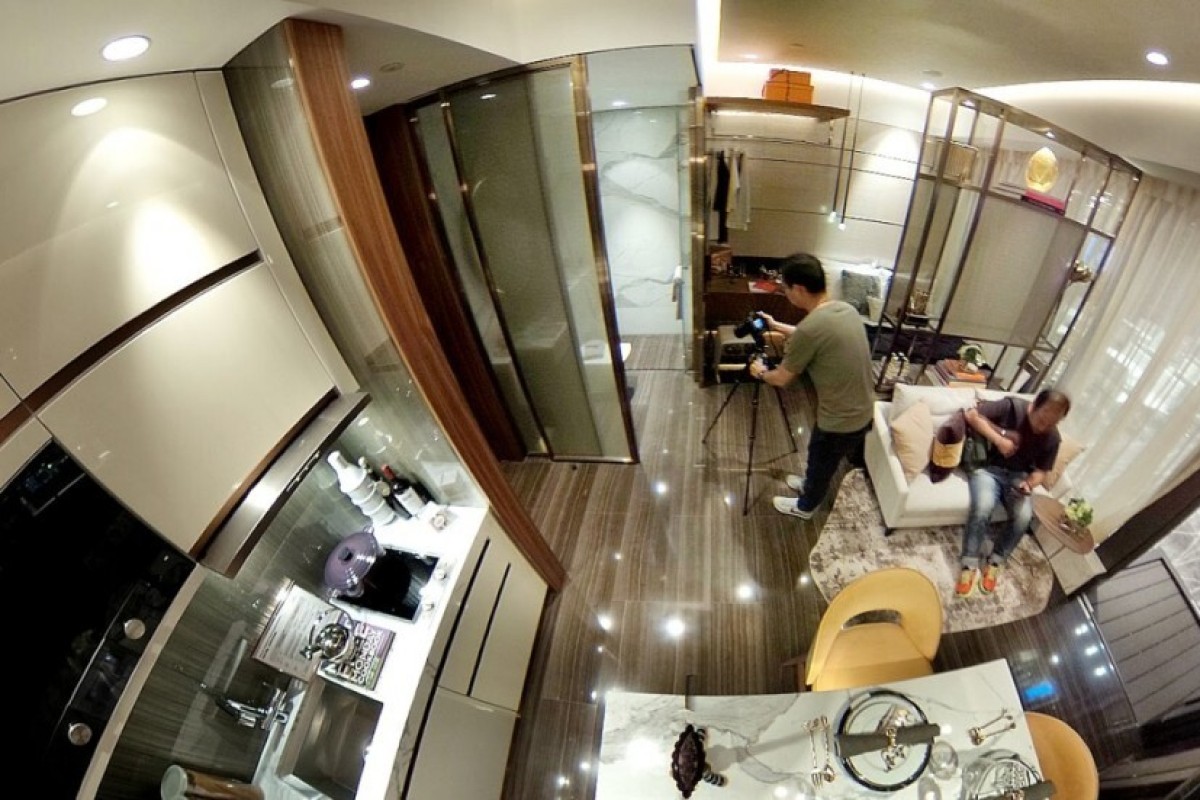
The prices and rents of Hong Kong’s tiny flats – those measuring less than 215 sq ft – are expected to fall this year as the coronavirus pandemic continues to weigh on the city’s property sector, affecting demand amid a surfeit of supply, analysts said.
Last year, 982 such flats were completed in the city, according to data from the Transport and Housing Bureau. That shows a 72 per cent increase from the 571 flats completed in 2018 and a more than tenfold increase over 2015, when only 79 were made.
Meanwhile, average rent for units smaller than 40 square metres (about 430.6 sq ft) fell by 13.5 per cent to HK$461 (US$59.5) per square metre a month in February from a peak in August last year, according to the Rating and Valuation Department. Home prices in the segment fell 5 per cent over the same period.
And the rental yield for such flats – just 2.6 per cent in February, according to Rating and Valuation Department data – could fall below 1 per cent, as first-time homebuyers struggle to cover interest on their investments, said Vincent Cheung, managing director of Vincorn Consulting and Appraisal.
