Influx of Chinese business travellers, investors to Cambodia drives construction boom
- The Southeast Asian country approved over US$2.7 billion of real estate projects in the first four months of 2019, a 67 per cent increase
- With rental yields of 8 to 10 per cent, and asset appreciation of 15 per cent per year, the nation’s property sector has become an attractive bet for Chinese investors
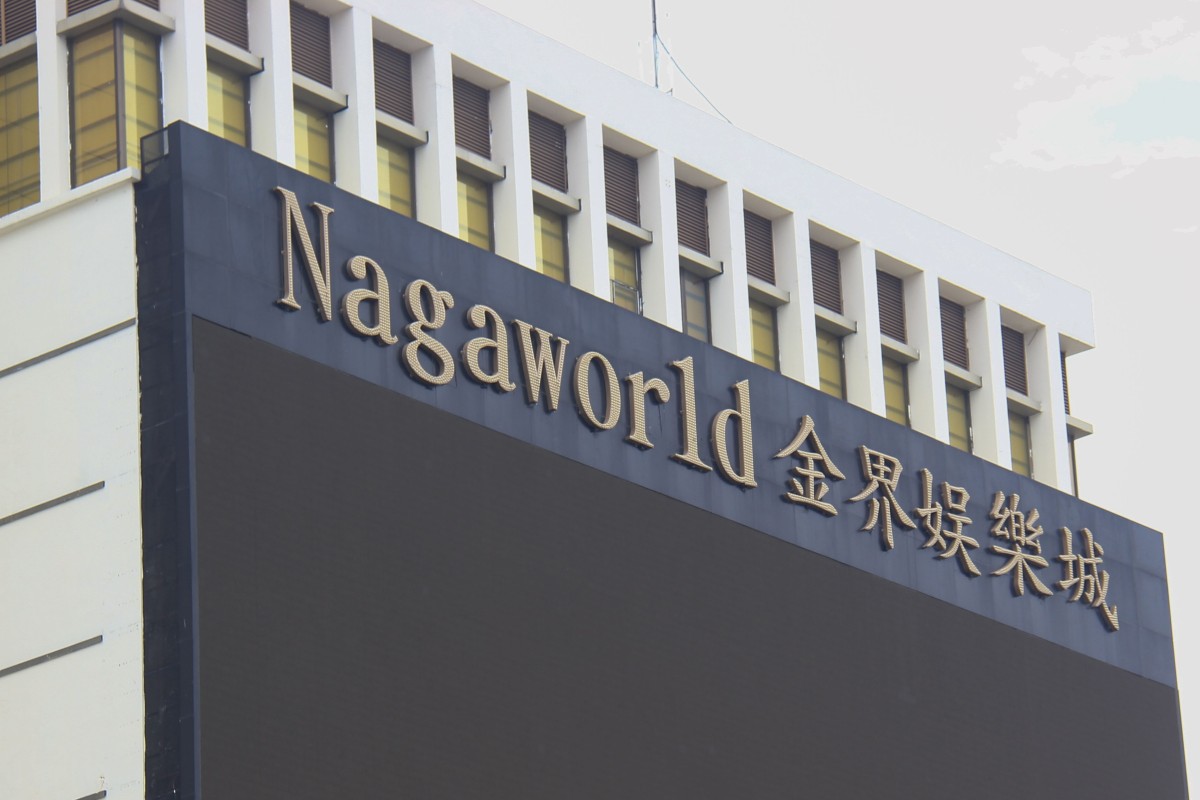
Cambodia’s economy has seen an influx of business investors from China, which has driven demand for housing and hospitality services in the Southeast Asian nation.
Two million Chinese visited the country last year, an increase of around 67 per cent from 2017. They represented the largest overseas group, about a third of international arrivals. Nearly a quarter of them came for business, according to the World Bank.
“The business environment being favourable, combined with a stable political environment, has brought more business investors and travellers to Cambodia,” said Timothy McNally, chairman of Hong Kong-listed NagaCorp, the largest hotel, gaming and leisure operator in Cambodia. It runs NagaWorld, a casino resort in the capital, Phnom Penh.
China is Cambodia’s biggest aid donor and investor, pouring in billions of dollars in development assistance and loans through the Belt and Road Initiative, which aims to bolster land and sea links with Southeast Asia, Central Asia, the Middle East, Europe and Africa.
The initiative has driven a large number of business travellers to Cambodia, resulting in a construction boom in the city of Phnom Penh and business growth across the country in recent years.
A thriving job market as a result of the booming economy has boosted demand for housing in Cambodia. This has pushed rental yields to 8 to 10 per cent, and asset appreciation to 15 per cent per year, making the nation’s property sector an ideal bet for Chinese investors seeking overseas assets as a hedge against yuan devaluation, say market observers.
“If you took a picture of NagaWorld in 2009, you would see one tower, and behind us at that point they were just building the Ministry of Foreign Affairs and the National Assembly. Everything around us was really just open land,” said McNally.