Hong Kong’s reading crisis: why our excellent readers have little love for books
Students excel in reading but lack enthusiasm – so educators are encouraging more joy in reading through parental involvement and efforts to foster a love for the written word

The 2021 study, conducted during the pandemic’s disruptive peak, revealed an urgent need to rebuild Hong Kong’s reading culture from the ground up.
Educators have faced a critical challenge: how to nurture not just reading ability, but reading identity. In an age where information is abundant but attention is scarce, the true test of literacy may no longer be comprehension scores, but whether students reach for books when no one is testing them. The roots of this disconnect may begin at home.
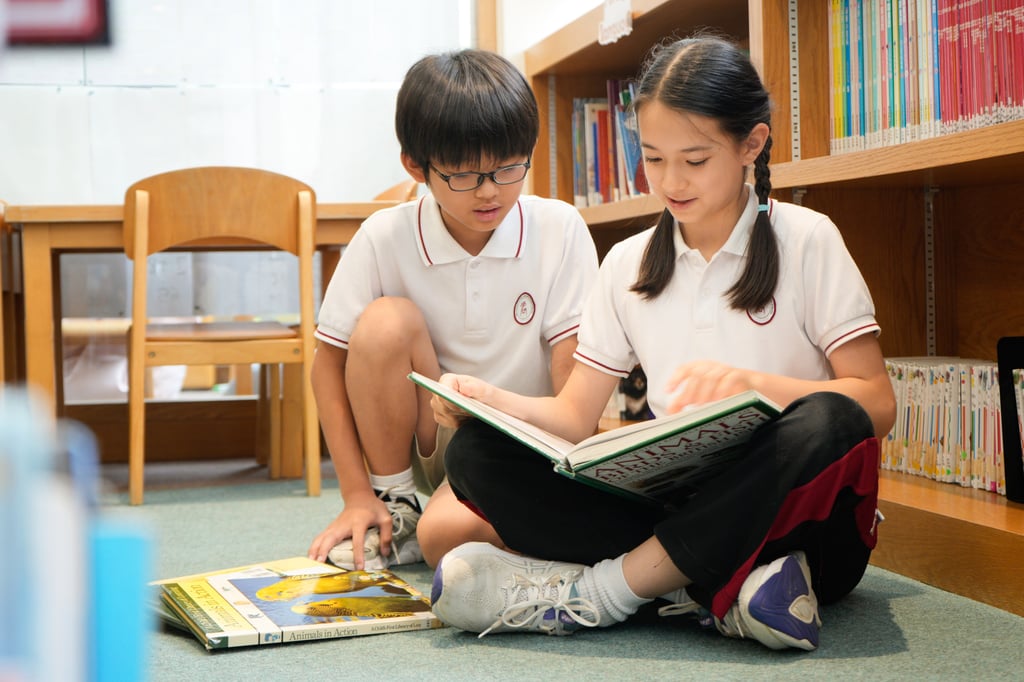
With only 16 per cent of Hong Kong parents engaging in preschool reading activities compared to 74 per cent worldwide, many children first encounter books not as gateways to wonder, but as instruments of assessment. This missed opportunity for joyful early engagement creates readers who can decode complex texts but rarely choose to read for fun.
As the 2026 PIRLS assessment cycle looms, there are critical questions that need to be answered: why do Hong Kong’s early reading statistics remain concerning? What systemic barriers continue to hinder progress? And, most importantly, what concrete steps can educators and families take to cultivate the vibrant reading culture that Hong Kong’s children urgently need and deserve?
The global measure of reading literacy
PIRLS establishes an international benchmark for reading comprehension at the critical Primary 4 level, when children typically transition from learning to read towards reading to learn. This comprehensive assessment enables education systems everywhere to evaluate the relative success of their literacy strategies against standards globally.