How Hong Kong schools are taking a holistic approach to student assessment
Non-academic attributes, from cognitive abilities to social-emotional skills, are being assessed for a more complete profile

You’ve visited campuses, spoken to teachers, reviewed the curriculum and extracurriculars, and are happy with the academic results. You feel good about the community and have finally chosen the right school for your young child. Congratulations! The hardest part is over.
This shift from purely academic metrics to a more holistic evaluation is intentional. Schools aren’t trying to be obscure. They are trying to get a more complete picture of your child. So how can you navigate this process without getting lost in the jargon?
Why holistic assessments?
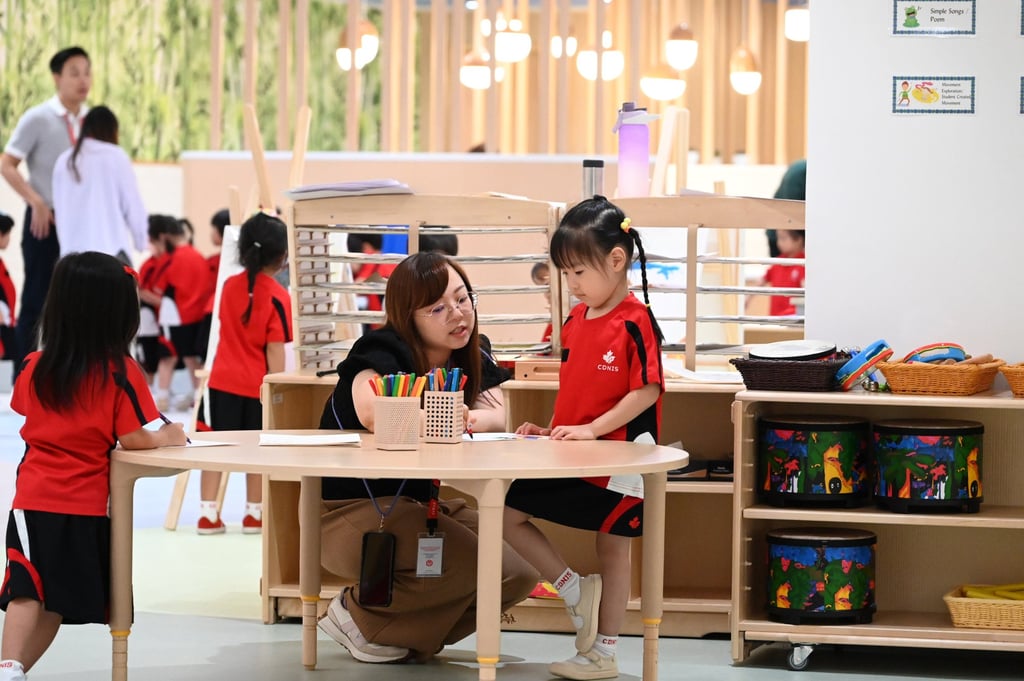
According to Joanne Stanley, director of admissions at French International School, parents shouldn’t get bogged down in defining every term. “These are ways of describing observable learning behaviours, rather than just focusing on test scores,” she says.
While each school has its own methods, few international schools in Hong Kong rely solely on academics. Non-exam formats are now preferred because they allow educators to evaluate a child’s broader potential, including cognitive abilities like problem-solving and social-emotional skills like cooperation.
“This ensures that we’re not just looking at isolated data points, but rather understanding the child as a whole learner and community member,” explains Emily Pong, director of admissions at Canadian International School Hong Kong (CDNIS).

This approach isn’t just for young children. For older students, these same skills are woven into interviews and conversations.