How Wong Chuk Hang became Hong Kong’s answer to Beijing’s 798
Affordable rents and expansive spaces have attracted galleries to the southside district, fostering a vibrant art community beyond Central

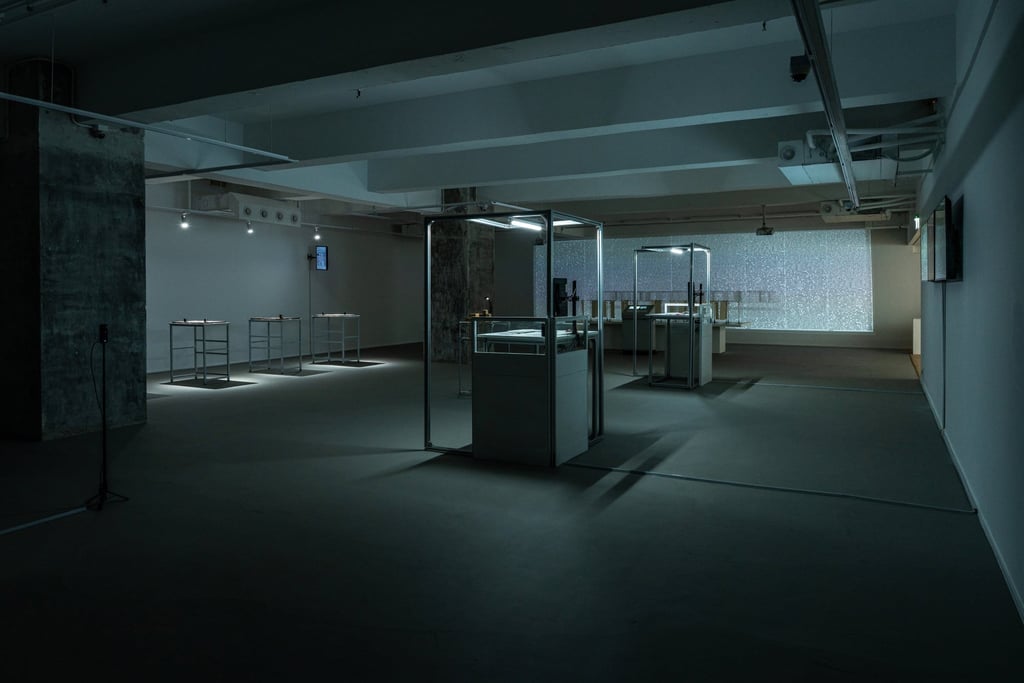
From being the industrial hub of Hong Kong Island’s south side to its transformation into a commercial and residential district, Wong Chuk Hang is one of the city’s key contemporary art hubs. Galleries like Sin Sin Fine Art, Ben Brown Fine Arts have called the neighbourhood home for close to two decades; these intimate gallery spaces make up a tight-knit art community, numbering around 26 galleries and art institutions (and growing).
Wong Chuk Hang, with its relatively affordable rent and expansive spaces, offers an alternative to the city’s Central district – where galleries and auction house showrooms have traditionally established their presence – allowing artists and curators a freedom that wasn’t previously possible.
Last September, de Sarthe, which first moved its operations from Central to Wong Chuk Hang in 2017, opened the doors to its new 10,000 sq ft space in Vita Tower. Pascal de Sarthe, the gallery’s founder, says the initial move nine years ago – encouraged by fellow gallerist and friend Fabio Rossi of Rossi & Rossi – stemmed from a need to be part of a community.
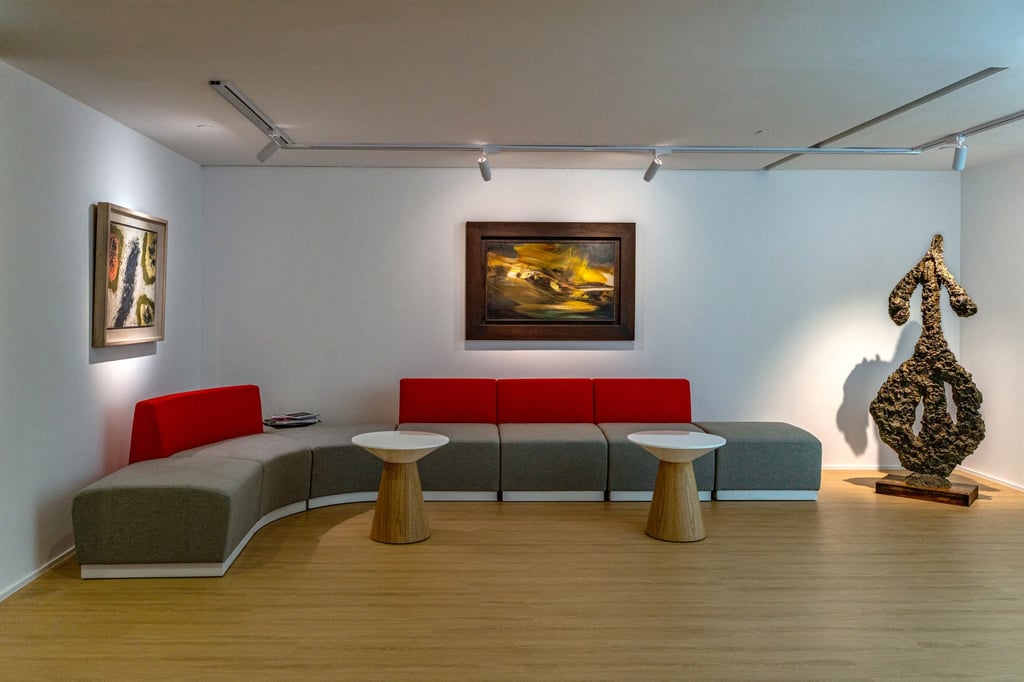
Larger spaces represent new possibilities for artists and galleries, though Rossi notes this is by no means a new phenomenon in the neighbourhood and is what made it unique in the first place.
“Larger galleries have actually been present in Wong Chuk Hang from the very beginning, including Blindspot, ourselves, Exit (our spaces are all over 5,000 sq ft) and later on, Empty Gallery, Axel Vervoordt, Pascal de Sarthe, Ben Brown, etc.”