How Hong Kong’s students and educators are reshaping LGBT inclusivity in classrooms
Support networks like Quarks and QSA are providing support for LGBTQ youth, while helping to enact change within the educational system – but is it enough?

French sociologist Émile Durkheim described the classroom as society’s “great workshop”: a place where collective values are forged and passed between generations. It is here that the core lessons of social life, acceptance of others and respect for differences, are meant to take root.
For too many LGBTQ students in Hong Kong, however, reality has often fallen short of that ideal. Liam Mak, co-founder and co-director of Quarks, the city’s first support network for transgender youth, describes his own school years as a challenging mix of affirmation as well as plenty of anguish.
“I came out as transgender at 15,” says Mak, now 24 and identifying as a trans-masculine person. “I was lucky enough to have a doctor’s support, and with my mother, they wrote a letter that allowed me to wear the boys’ uniform to ease my gender dysphoria. I was a case study for the school – a ‘case-by-case’ case. My school handled it with individual kindness but systemic confusion.”
To this day, Mak is thankful for the support offered by some of his friends and teachers. But painful memories linger: an educator calling him “the girl in boy’s uniform” in front of 200 students; taunts from classmates; schoolwide rumours; the blur of navigating bathrooms and gym classes. “It took me years to heal enough to face former students at reunions,” he says. “Some of them were my biggest bullies.”
Mak’s experience is far from uncommon. Hong Kong students are already among the most stressed and depressed in the region. A 2023 survey of the city’s secondary school students found that more than half showed depressive symptoms. But for queer students, the burden is compounded: navigating adolescence as LGBTQ, in a school system unprepared for them, adds extra psychological strain. Another Hong Kong study, in 2024, found that secondary students of marginalised sexual orientations and gender identities reported the highest prevalence of suicidal ideation and suicide attempts.
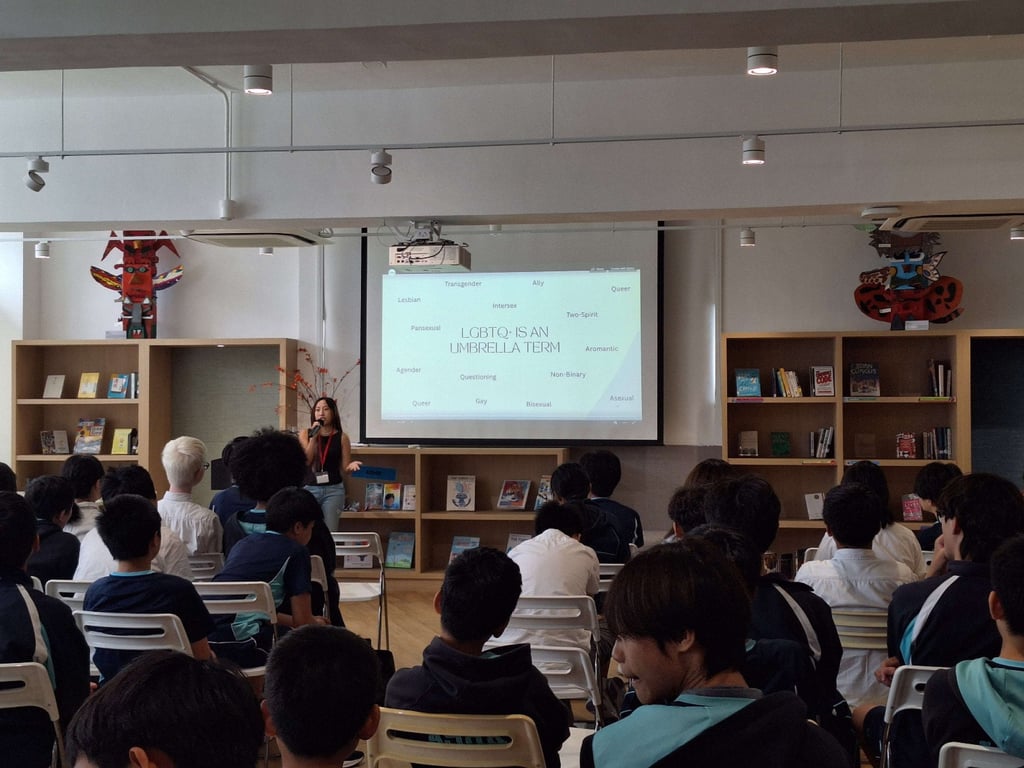
“Generally speaking, sex education and culture in schools is still very conservative and not very inclusive,” says Yanko Wong Yu-yan, a former teacher who once oversaw her school’s sex education programme. Now an MPhil candidate and adviser to the Hong Kong Secondary School Gender Studies Club, she leads workshops on gender and sexuality for secondary students.
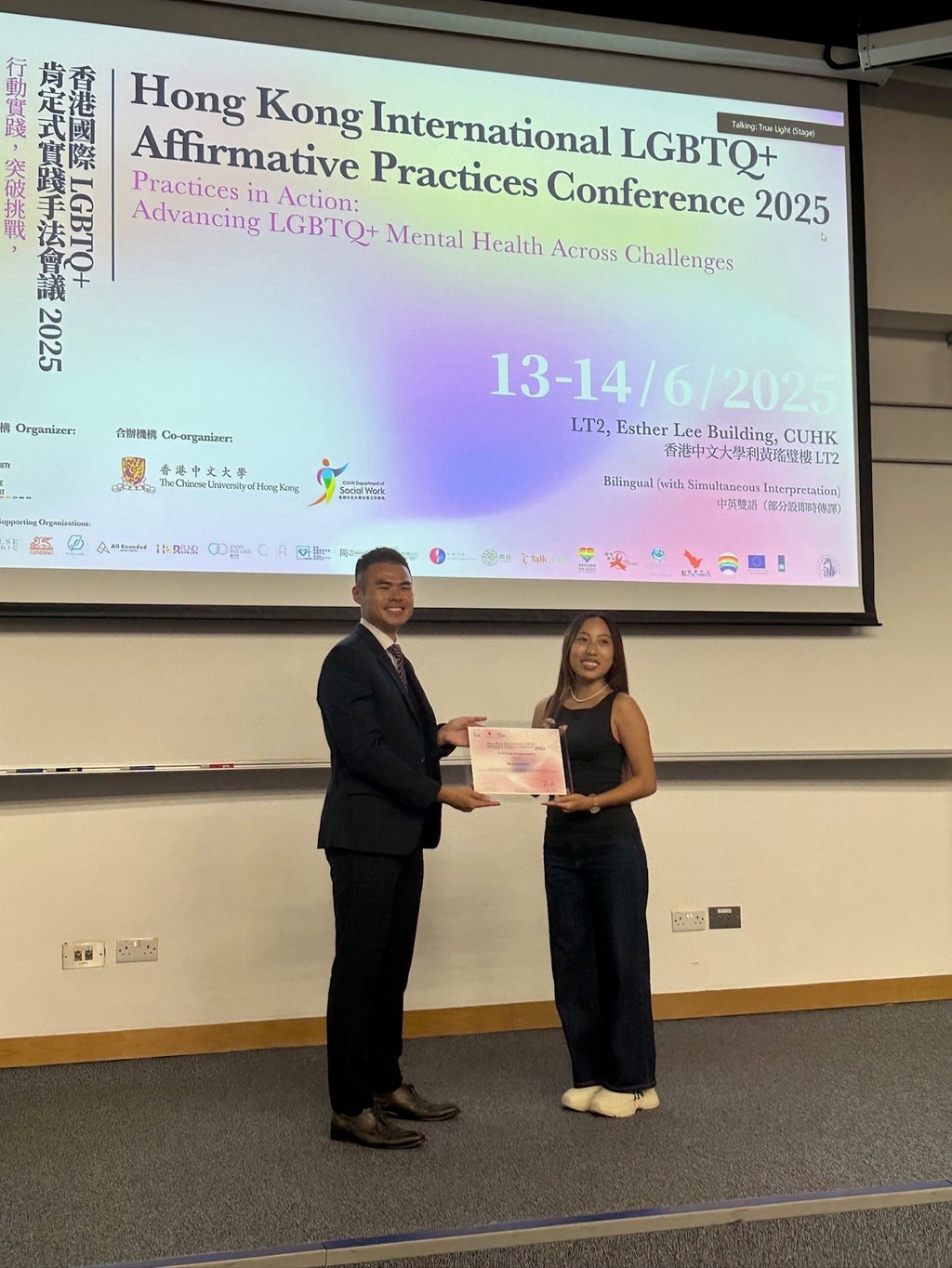
“Schools have been good at developing workshops on cyber bullying and social bullying,” she says. “But the specific issue of homophobic or transphobic bullying is rarely addressed. Hong Kong’s school leadership aren’t really seen as an authority that can act on it.”