How these Hong Kong chefs are doing Japanese food with a Cantonese twist
For generations, local diners expected Cantonese chefs to play supporting roles to a Japanese head chef – but now that is changing

The scene: a kappo counter in Wan Chai. A wok sits beside a binchotan grill; diners watch as one chef slices fish with surgical precision while another sends flames licking up the belly of a seasoned wok. Welcome to Isseki Niaji. Two traditions side by side, a single question hanging in the air: What does it mean to cook Japanese food in Hong Kong?
For decades, the answer was simple. Authenticity required a Japanese passport. The city’s top counters were headed by chefs trained in Tokyo, Osaka or Kyoto. Local cooks could assist, could spend years mastering the craft, but the face behind the counter was almost always imported from Japan.
Now, a new generation of Hong Kong chefs is quietly challenging that sensibility. Step into Isseki Niaji, for example, and the face at work behind the counter belongs to someone who grew up eating slow-simmered Cantonese soups. These local chefs may have mastered Japanese technique, but their cooking comes from their own culinary roots.
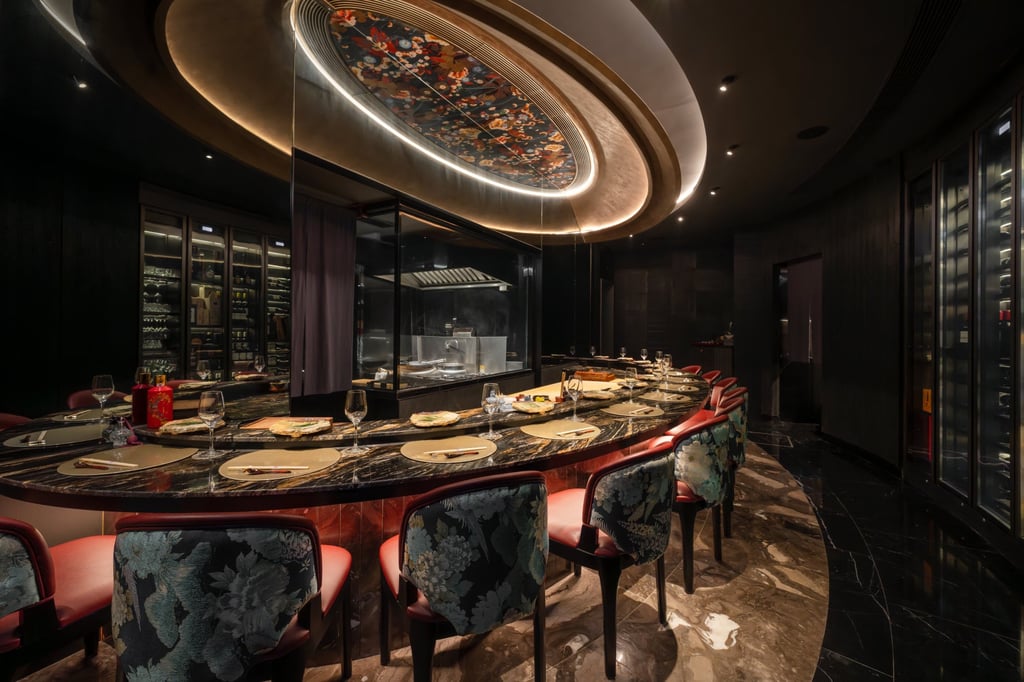
This isn’t about flashy fusion. You won’t find wasabi xiao long bao or mentaiko pasta here. Instead, they’re working within tradition and letting their local sensibilities show in smaller, more personal ways like the pacing of a meal, a surprising tweak of ingredients, or just the simple fact of a wok sitting in plain sight beside a kappo counter.
“Guests can observe two interpretations of control,” explains Samuel Kwok, executive chef at Isseki Niaji. “The precision and restraint at the counter, and the instinctive, moment-driven energy of the wok.