Tech pioneers keen on Hong Kong IPOs thanks to revamped listing rules
An AI-driven surge of Chapter 18C listings has pushed HKEX past New York in IPO fundraising, but how has the listing route impacted economic growth?

Tech pioneers in China and Hong Kong are finding new growth opportunities on HKEX, as reforms help to broaden listing options for tech equity and attract firms with high-growth potential to its bourse.
The strategy is clearly paying off. Total IPO proceeds on HKEX reached HK$280 billion (US$35.7 billion) in 2025, surpassing the HK$200 billion (US$25.5 billion) mark for the first time in four years. The result also saw the exchange overtake the New York Stock Exchange and India’s bourses to rank first globally in terms of funds raised.
Chapter 18C – a dedicated pathway, launched in March 2023, for specialist technology companies that may not meet financial eligibility tests under conventional listing routes – is seeing significant results now. Two Chapter 18C companies, MiniMax and Zhipu AI, became the first listed large language model (LLM) companies in the world when they went public in January. AI chip designers Biren Technology and Iluvatar CoreX were also listed via Chapter 18C that same month.

These listings generated significant attention, with MiniMax’s shares surging as much as 113.2 per cent on their first day of trading and Biren’s shares jumping 76 per cent on debut.
Driven by the AI boom, a further six firms were listed in Hong Kong under Chapter 18C in the first three months of 2026, compared to just five for the entirety of 2025.
Overall, Hong Kong’s IPOs accounted for more than a third of global fundraising in the first quarter of 2026, HKEX revealed, with nearly a fifth of those companies filing under Chapter 18C. Since the end of April, 14 additional public Chapter 18C applications have been filed.
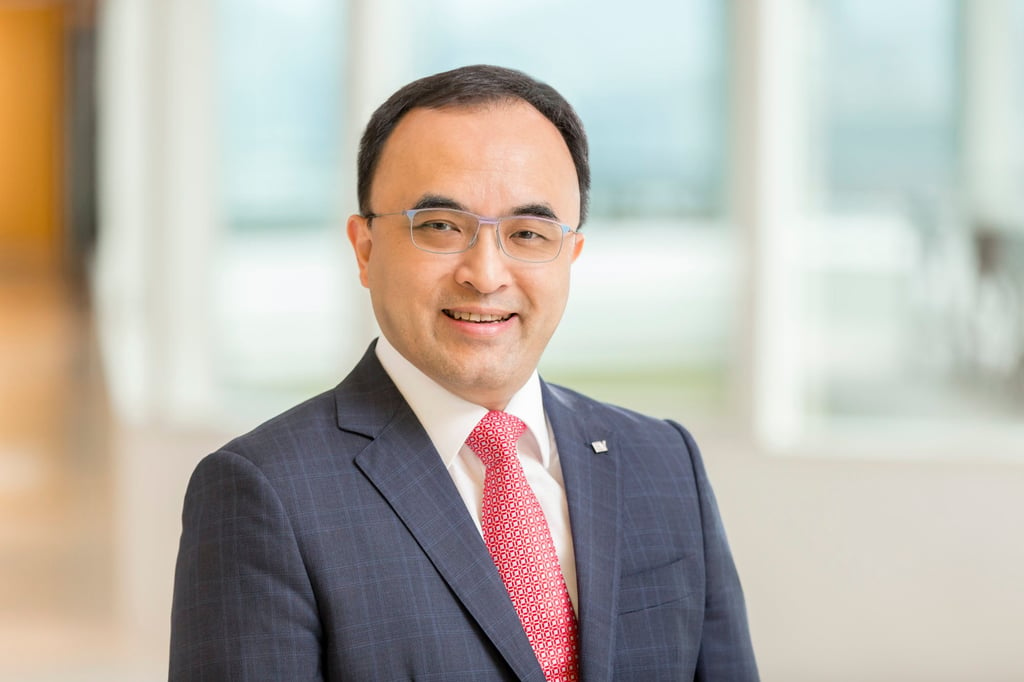
“The growing pipeline reflects increasingly diversified investor participation,” says Jack Chan, EY China chairman and Greater China regional managing partner. He goes on to explain that cornerstone investors – which include institutions, listed companies, local government and global sovereign wealth funds, as well as individual and state-owned capital investors – introduced in IPO offerings were 85 per cent by H1 2026. Chan also added that capital increasingly flows towards markets with political stability, reflecting a growing confidence in Chinese hard assets.