How Hong Kong’s Gen Alpha is learning to be smart with money
Financial literacy is being shaped at home, in classrooms and through gamified tools in a bid to help children make smarter money choices

From online shopping and automated Octopus top-ups to digital red packets during Chinese New Year, Hong Kong’s youngest generation has grown up in a world where money is increasingly invisible. Meanwhile, spending has become more convenient for the young digital natives who are always one Instagram scroll away from the next must-have Labubu-like blindbox toy.
Gen Alpha – kids born between 2010 and 2024 – is also influencing household spending earlier than previous generations. A 2025 report by public relations firm DKC estimated that Gen Alpha has more than US$100 billion in direct annual spending power, while 42 per cent of household purchases in the US were shaped by their opinions.
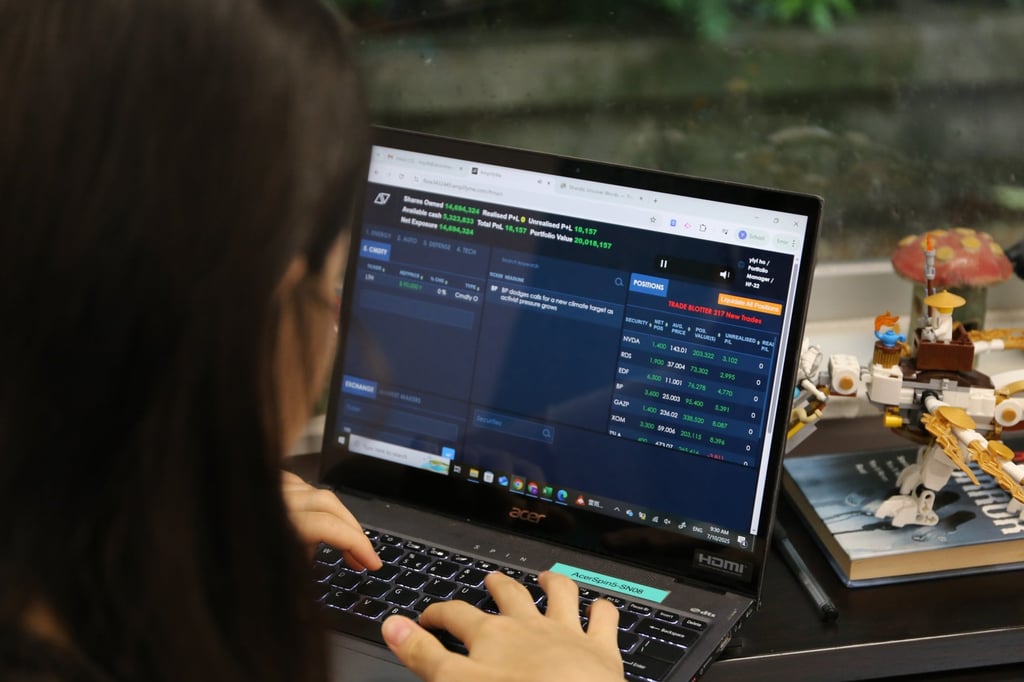
“Financial decision-making is entering children’s lives at an increasingly early age,” says Olivia Jiang, a teacher within the English Schools Foundation’s (ESF) summer Financial Literacy Programme. “Today’s students have earlier access to financial information and become familiar with brands and markets at a younger age. At the same time, social media often reinforces instant gratification, FOMO-driven behaviour and susceptibility to digital marketing.”
In a city like Hong Kong, where millennial parents are navigating soaring housing costs and inflation, teaching the next generation how to manage money – beyond saving and budgeting – has become an increasingly urgent priority.
“If we are not careful, financial literacy can be reduced to spreadsheets or theoretical concepts,” explains Ed Pegden, the pastoral assistant head of school at Kellett School Hong Kong. “It can fail to acknowledge the diverse family circumstances that students bring to school, treating all young people as though they occupy the same economic position.”
At Kellet, this is woven into the wider curriculum. Younger students explore foundational ideas such as savings and interest, budgeting, the difference between needs and wants and what value for money looks like in real life.