Gucci and Patek Philippe are reviving intricate goldsmithing techniques on their watches

Breguet, Piaget and Buccellati are 3 more famous brands adding elaborate handcrafting to the gold surfaces of their timepieces
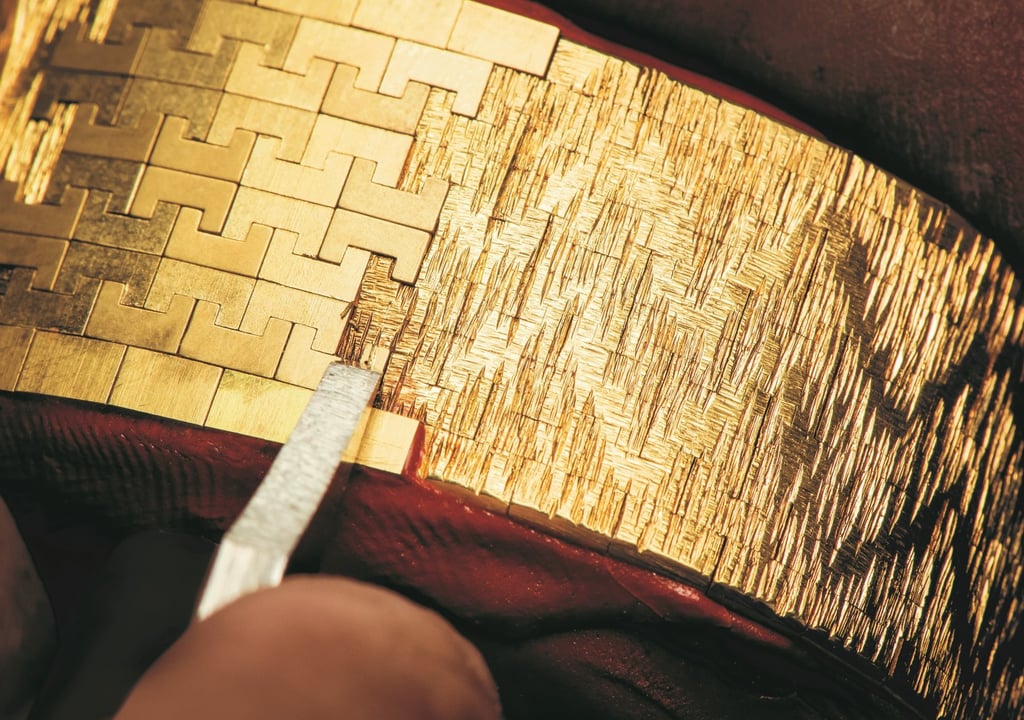
That philosophy continues today, says Rémi Jomard, the brand’s development and manufacturing director of exceptional pieces. “The Piaget family first created their own gold foundry to be independent and more productive, but it actually shaped their creative approach. They soon decided to only use precious metals and no steel. Some vintage ads were even boasting this beautiful sentence, which means so much for the maison: ‘Time can only be measured in gold.’ It literally helped them unleash their creativity in the 60s, so gold is far more than just a material for us, it’s the beginning of a story and a mastery.”
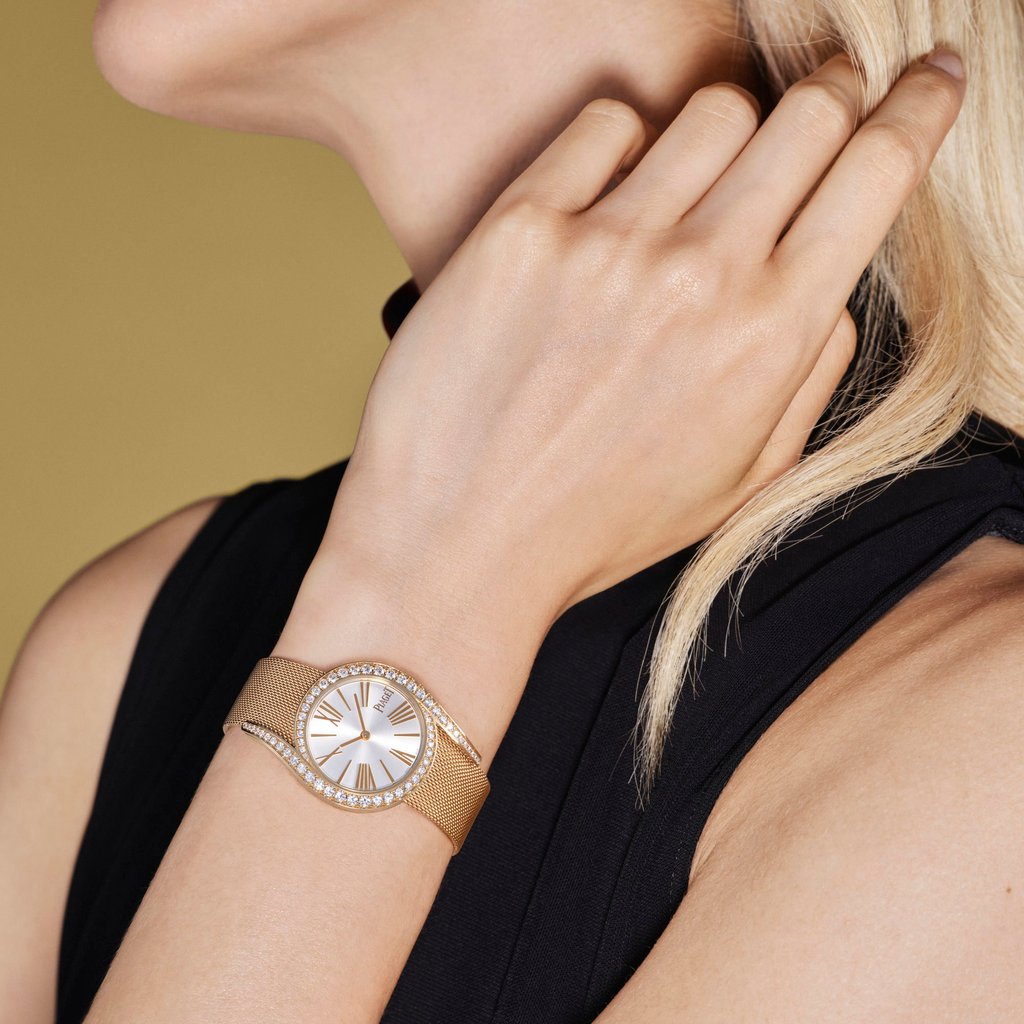
Recent highlights include the Limelight Gala with its rippling gold wave motif, and the Swinging Sautoir in garnet and ruby root beads, where the gold chain itself is made to shine rather than being hidden behind gemstones. As Jomard puts it: “Here, the chain is not only visible, but beautiful. It balances the explosion of orange and purple colours and makes it more modern, desirable. It’s the key element to this necklace, for sure, and it’s a statement from us to make it shine as much.”

Other maisons are equally dedicated to reviving traditional gold work, each through its own cultural lens. Heritage watchmaker Breguet, for instance, has kept alive the twin crafts of engraving and guilloché, the fine engine-turned patterns first introduced by its founder in the 18th century. In its Vallée de Joux workshops, artisans still cut intricate motifs by hand on restored antique machines, while engravers use age-old tools to decorate bridges, rotors and even casebacks with remarkable precision. In some models, images span several plates in a movement, lining up perfectly only once the watch is reassembled. The result is watchmaking defined by visible handicraft.