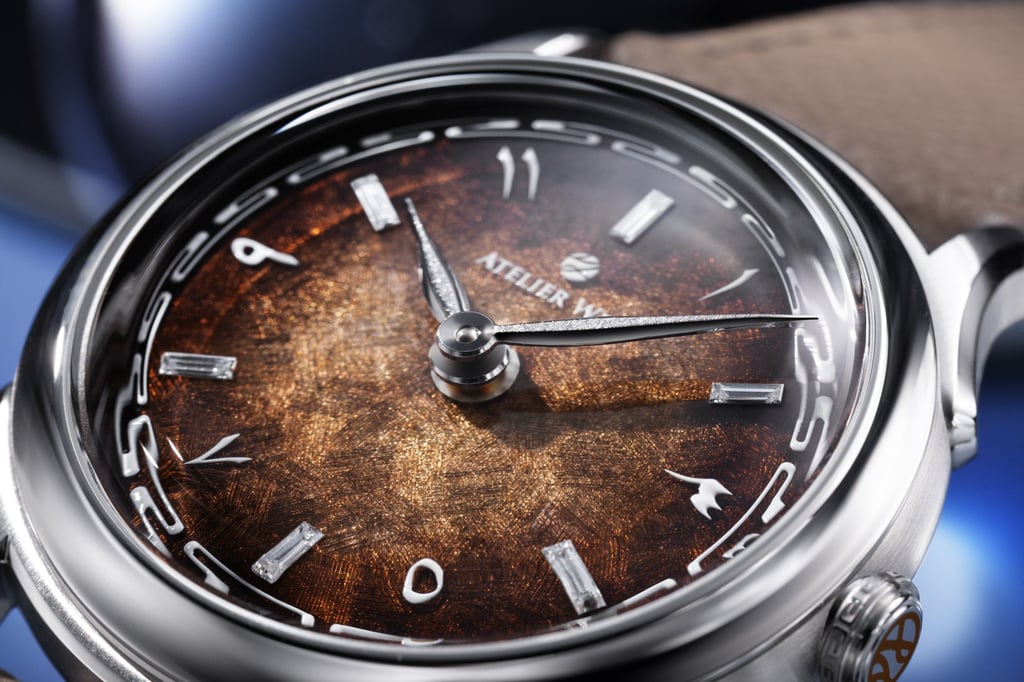
Atelier Wen spotlights Chinese watchmaking masters through exquisite dial collaborations

The brand showcases dials featuring traditional crafts – from guilloché to enamel and gratté – and the Chinese studios behind them
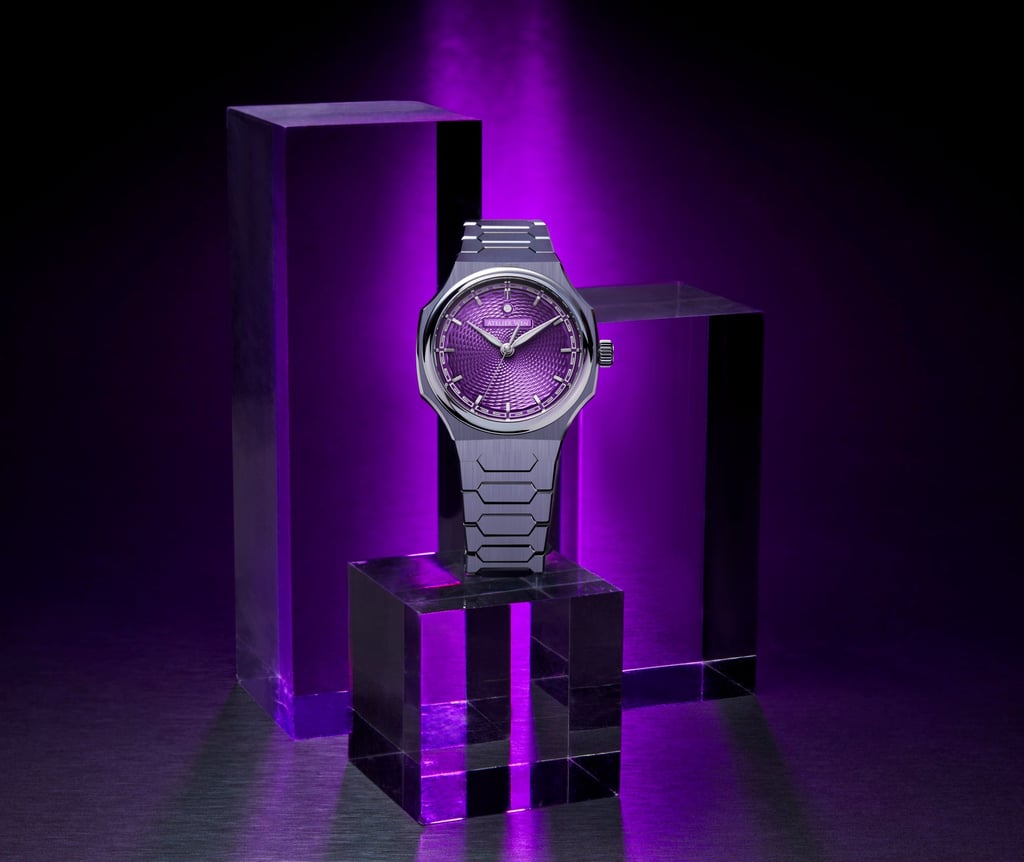
Atelier Wen’s 2022 release, the Perception, was developed in collaboration with Cheng Yucai, a Chinese master based in Xinmi in Henan province, who is known for using hand-operated rose machines to achieve intricate guilloché patterns. The most recent version, the titanium Millésime Perception Mù, was released in 2024 with a striking purple dial.
Then, in July, the brand released the Ancestra collection, which focuses on enamel dials courtesy of master enameller Kong Lingjun. The hand-hammered dial of the Ancestra Jiao features a 925 silver dial base, patterned with hundreds of carefully judged impacts. Then, the dial is finished in multiple layers of grand feu enamel and given a fumé effect. Each dial requires 20 days to complete, with a rejection rate of around 50 per cent.
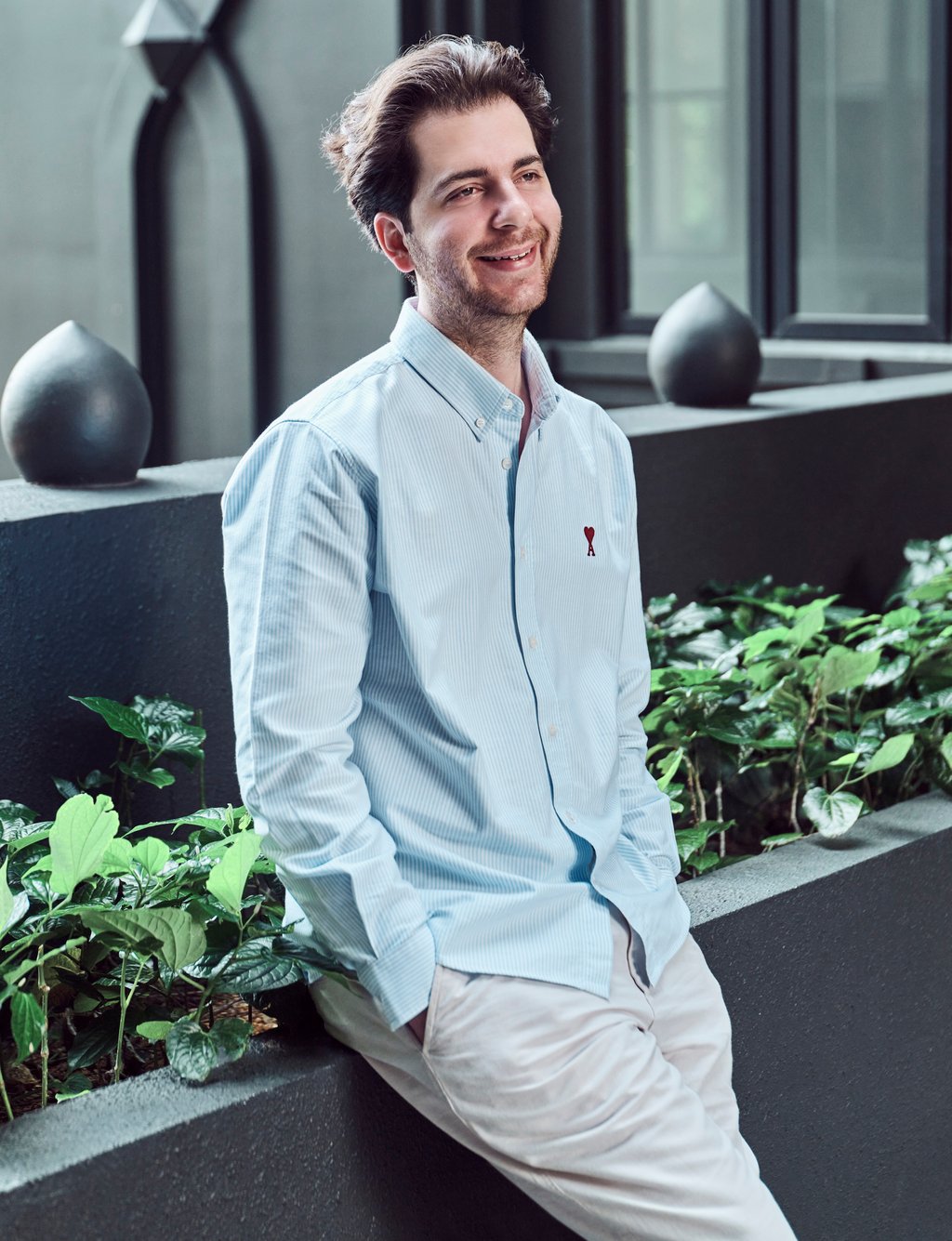
On top of this, the brand unveiled the Ancestra Yáo in collaboration with Revolution Watch at Dubai Watch Week in November. Its gratté finish is a complex, layered and impressionistic brushstroke technique usually only available at the highest levels of watchmaking. We spoke to Atelier Wen co-founder Robin Tallendier to find out more.
Why does Atelier Wen seek out Chinese masters who have perfected different dial finishes?
From the very beginning, our mission has been to celebrate Chinese culture and world-class craftsmanship in a way that is authentic. Dials felt like the most natural canvas for this: they are the “face” of the watch, the first thing you engage with, and they lend themselves beautifully to artistic expression. When I first discovered Chinese watchmaking, I noticed the sheer depth of artisanal talent hidden in workshops across the country, often overlooked outside China. We wanted to give these masters a global platform, to show that Chinese craftsmanship can stand shoulder to shoulder with the very best anywhere in the world.
What makes guilloché, hand-hammered and gratté dials so special?
Each of these techniques involves direct human intervention that leaves a unique imprint on the dial. Guilloché is the art of carving intricate geometric patterns into metal with a hand-operated rose engine, producing reflections that shift with light. Hand-hammering creates texture and rhythm by controlling the depth and spacing of every tiny strike before enamel is applied. Gratté involves manually scratching the silver surface below the enamel to create shimmering effects. What makes them so special is the human element: no two pieces are the same, and each carries the touch and soul of the artisan behind it.