Rise in ESG investing in Hong Kong prompts improved reporting standards
Family offices and others’ growing focus on the sector is driving local authorities to tighten up regulations to increase transparency and make gains more measurable

It is clear that a priority for many family offices and wealth managers worldwide is to invest in companies with a strong commitment to ESG (environmental, social and governance) principles. A 2024 PwC global study on family office deals found that in early 2022, “impact” investments surpassed more traditional choices for the first time, and have stayed above the 50 per cent mark since. For the year to June 2024, the number of deals in renewable energy and sustainable agriculture combined was more than half of all family office deals, while in terms of value they made up 49 per cent.
Hong Kong’s family offices are tracking this shift. In 2024, the city’s Sustainable Finance Initiative surveyed 100 family office representatives and found that 26 per cent of respondents had over half of their portfolios in impact or ESG-themed projects.
Given the high interest, transparency is more important than ever – however, Hong Kong has no clear regulations dealing with greenwashing, the practice of falsely conveying or misrepresenting the true sustainability of a particular project or product.
That said, in January this year, Hong Kong Exchanges and Clearing Limited (HKEX), the company that runs the Hong Kong stock exchange, issued the city’s first climate-related disclosure requirements for equities closely aligned with recommended international standards. The code covers governance, climate-related risks, emissions, consumption of resources, labour rights, anti-corruption measures and responsibility for products. In addition, an issuer is now required to publish an ESG report each year, covering the same period as its usual annual report.
While the HKEX framework covers much important ground, it is inevitable that new issues prompted by actual risks or perceived oversights will continue to emerge.
Family offices should be focused on creating a robust governance framework and processes that integrate ESG considerations
“It is especially challenging for companies or investors that are in multiple jurisdictions and face different or inconsistent reporting requirements,” says Allison Lee, a partner at law firm Mayer Brown Hong Kong. “But staying aware and keeping up with changing regulations and market developments is only one part of the process. The other is to effectively incorporate ESG objectives into investment strategies and reporting obligations and then ensure continued compliance. Ultimately, disclosure requirements are not effective unless companies are able to navigate the process to provide accurate and meaningful information.”
Typically, problems with reporting stem from a lack of ESG expertise and insufficient resources. For investors, particularly family offices directly investing in non-listed projects, this can lead to gaps in knowledge about a target company’s risk profile and consequent value.
To avoid this, it makes sense to bring in consultants or other specialist advisers who can assist with the related data management and evaluation.
“Family offices should be focused on creating a robust governance framework and processes that integrate ESG considerations into their investment analysis and ongoing portfolio management,” Lee says. “[This helps in] decision making, conducting periodic reviews, and communicating results, which in turn maintains accountability, fosters consensus and promotes transparency.”
She adds that the processes should also include key performance indicators to measure investment against ESG objectives and identify areas of concern or where improvement is needed.
It is also important to keep an eye on developments overseas that could ultimately have a bearing on shifts in policy or regulation in Hong Kong and mainland China.
“Numerous resources exist for ESG news, with discussions on legislation, litigation and articles on trending topics,” Lee says. “Also, law firms, accounting firms and consultancies maintain jurisdiction-specific trackers and put out updates from time to time.”
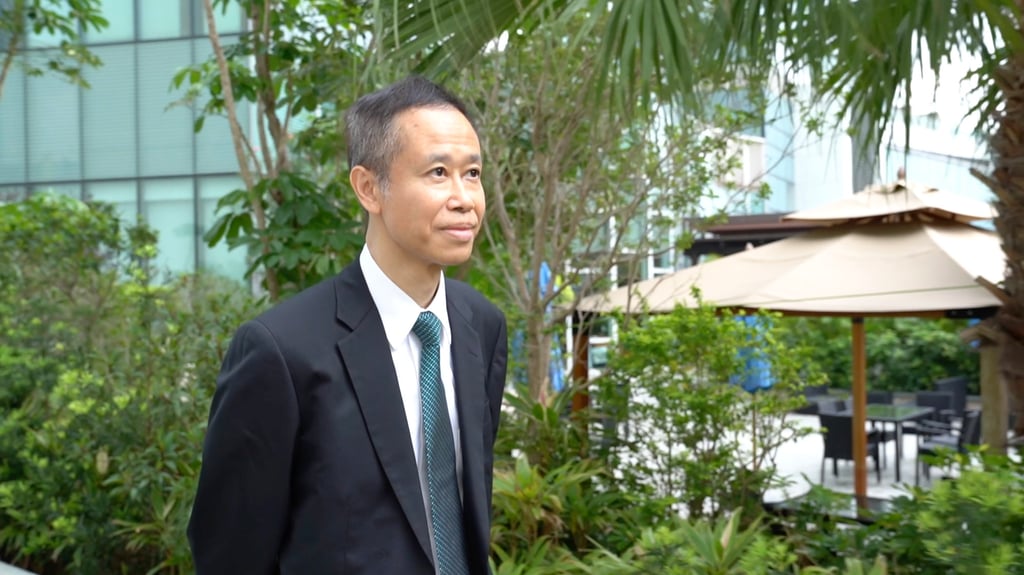
In this respect, another valuable resource is the Chinese University of Hong Kong (CUHK) Global Business Sustainability Index which, along with associated reports, offers examples of best practices from top ESG performers in different industries. The index encourages investors to examine target companies’ claims of sustainability and check if they are supported by concrete, measurable goals and aligned with global frameworks. They should also assess whether the correct principles are embedded in the core business model or simply regarded as peripheral branding, and insist on sufficiently detailed reporting of outcomes.
It is one way to ensure investment drives tangible change and is all part of a broader effort to empower more companies to engage in timely reporting, enhance disclosure and drive corporate sustainability at scale.
“Hands-on training together with inclusive and down-to-earth strategies can help transform ESG disclosure in Hong Kong from compliance box-ticking into a bottom-up enabler for a major shift in behaviour,” says Professor Carlos Lo Wing-hung, director of the Centre for Business Sustainability at CUHK. A crucial first step for that to happen, though, will be to extend a more complete understanding of ESG concepts and proper quantification to non-listed companies.
“For this, we need tailored data collection tools and capacity-building programmes to improve their readiness for implementation, data tracking and disclosure,” says Lo. “Demonstrating the positive impact of best practice can enhance corporate reputation, employee commitment, risk management and – ultimately – financial performance.”