
Japan’s tattoo problem is about to get messy with the 2019 Rugby World Cup and the 2020 Tokyo Summer Olympics
- Hundreds of thousands of sports fans and tourists are about to descend upon the Asian nation, and many of them will have ink
- Japan’s long-standing aversions to body art could do with a serious touch up if the country wants to maximise its time in the international spotlight
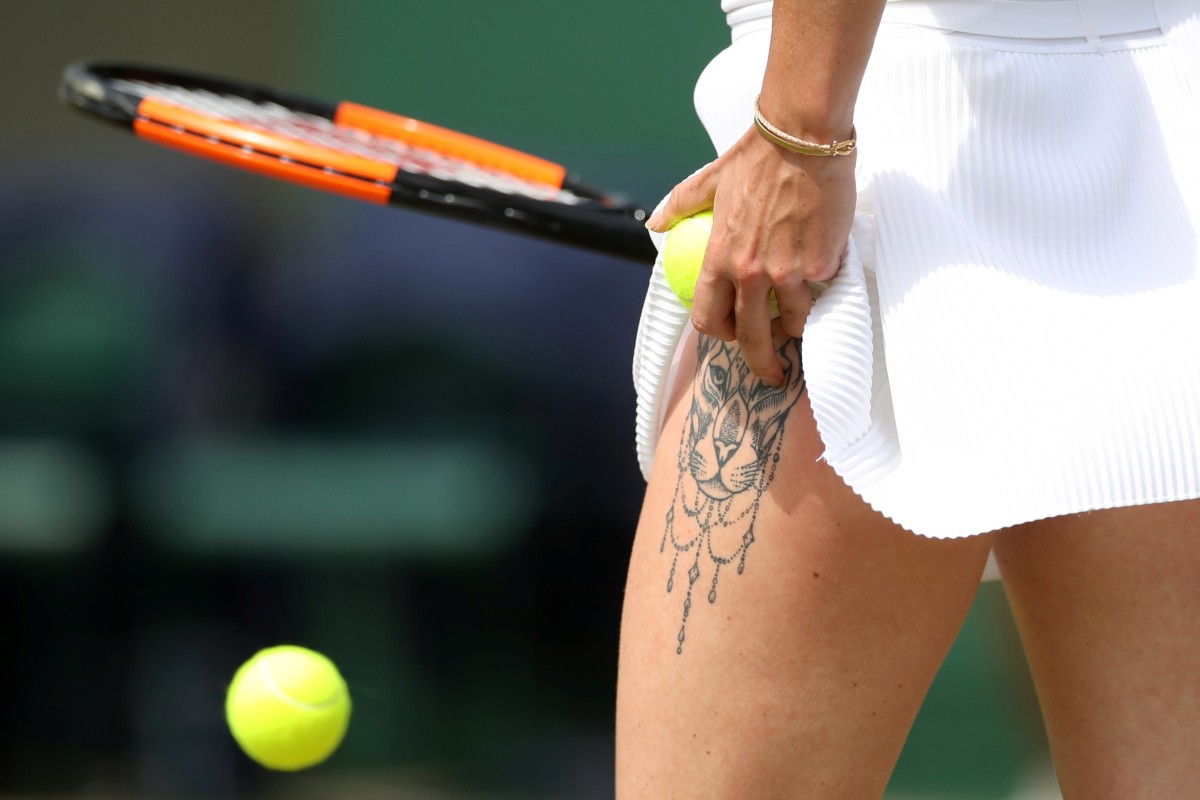
As someone who has close to two dozen tattoos, I’m well aware of the issue surrounding body art. Odd looks, double takes and mothers pulling their wide-eyed children away from me happen on a regular basis.
Dating back centuries, its association with gangs such as the Hell’s Angels, the triads and countless other factions has remained linked to the practice right up to the end of the 20th century.
Part of me gets it, but in 2019, part of me thinks the idea of tattoos being stigmatised and signifying “outlaw” culture is getting pretty old and quite frankly, outdated. I got my first tattoo back in 1999, and now, 20 years later I know as many people who have tattoos as do not. They’ve entered mainstream culture en masse. Soccer players and fashion icons like David Beckham and trailblazing singers such as Lady Gaga and Ariana Grande are adorned with various ink jobs.
Japan, however, has yet to join us in 2019 when it comes to tattoos and their inclusion in modern culture, and it’s unfortunate timing, given the country is set to host two of the world’s biggest sporting events in the coming year, welcoming people from around the world and all walks of life.

The country’s aversion to tattoos stems from irezuma, which are traditional Japanese tattoos that first came to prominence hundreds of years ago and used to be showcased within the country as an art form. Then in 1720, the government decided instead of cutting off convicted criminals’ noses or ears, they would tattoo their arms or foreheads so people could identify them.