Tokyo Olympics: world records at the 2020 Games; how did Covid-19 restrictions affect performance?
- Athletes went into the 2020 Tokyo Olympics with less preparation than previous Games because of the Covid-19 pandemic but less is not always bad
- Technology appears to be playing a part in improving performances with track and field athletes benefiting from better shoes and running surfaces

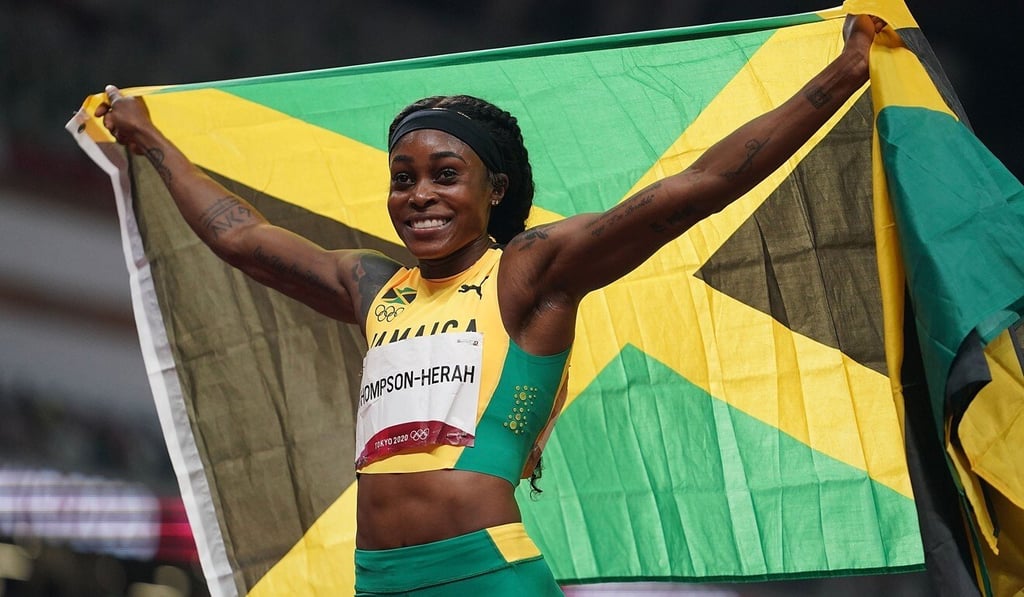
It took 33 years to eclipse Florence Griffith Joyner’s Olympic record in the women’s 100 metres as Jamaican sprinter Elaine Thompson-Herah pulled off the unthinkable and broke the long-standing mark in Tokyo in a largely empty Olympic Stadium.
Indeed, even as the coronavirus pandemic kept spectators away from the Olympic stadiums, records tumbled throughout the 16 days of competition.
Swimming and athletics saw six and three world records broken in Tokyo respectively, the two being the marquee sports that garner the most interest during the Olympics. Track cycling too saw jaw-dropping races, with three world records beaten.
While it failed to surpass Rio’s performance of eight swimming and three athletic world records, it was enough to dispel concerns that Covid-19 restrictions would have an impact on the performances of the world’s best athletes. Four track cycling world records were broken in Rio. Overall, there were 23 world records across seven sports in Tokyo, according to DiscountSutra.
Experts point to technology’s influence in Tokyo, particularly in athletics. The coronavirus pandemic may have disrupted international competitions and training schedules but it has opened up new training methods that are potentially more effective.
“It is natural to expect world records during the Olympics when athletes are at their best, such as sprint events. In other cases, tactical elements lead to less good times in the Olympics since the aim is to win medals,” said Øyvind Sandbakk, a neuromedicine and movement science professor at the Norwegian University of Science and Technology.