Advertisement
ITTF
SportChina

Table tennis takes steps to avoid China-dominated ‘mercenary market’ as Wuhan-born Liu is given green light to represent USA in Tokyo

  • ITTF has implemented stringent rules to clamp down on movement of Chinese players not good enough to make their national team
  • Juan Liu, US Open champion, will be able to represent the US in Tokyo next year

Reading Time:5 minutes
Why you can trust SCMP
China-born Juan Liu has been given a road to representing the USA at the Tokyo Games next year and is now resuming her preparations. Photo: Gerry Chua
Brian Gordon

Top US officials demand their domestic markets be protected from Chinese exports. New rules are passed to achieve this end, stirring widespread debate. Some support the rules, others decry them. This is not trade tariffs. It’s table tennis.

And caught in the middle of it all is the USA’s top-rated women’s player until recently, Juan Liu, who had given up on her dream of going to the 2020 Olympics until another twist in the eligibility rules brought her out of retirement this week.
Last year the International Table Tennis Federation (ITTF) implemented a system of waiting periods for athletes who changed nationalities and wished to represent their new countries in the Olympics. The waiting periods correlate with players’ ages, from a year for those under 15, to nine years for players 21 and older.
Advertisement

They are designed to protect national talent pools from incoming foreign players, particularly from China.
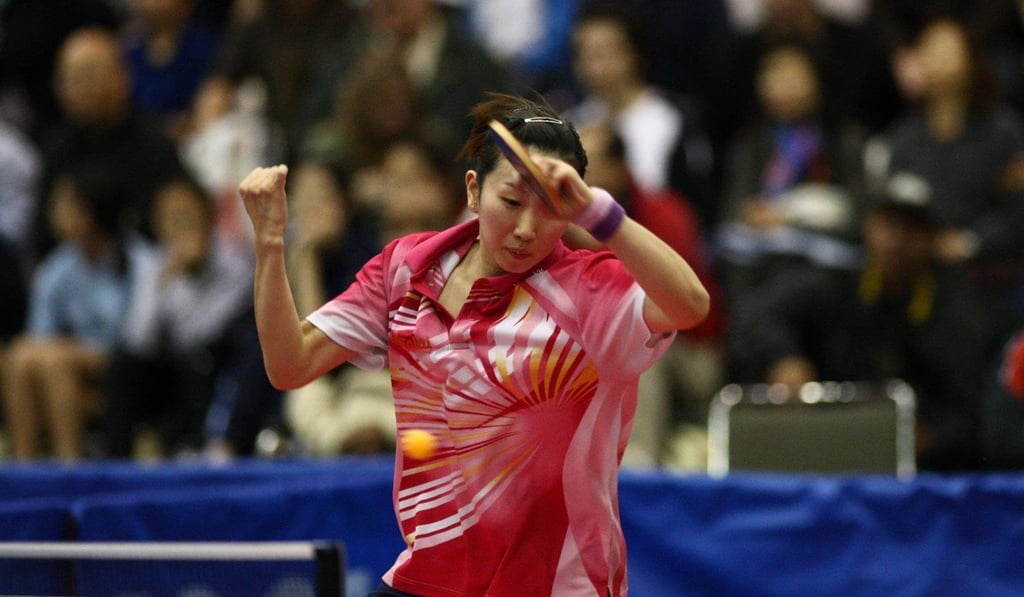
China-born Juan Liu hopes to represent the United States at the 2020 Tokyo Olympics. Photo: Gerry Chua
Advertisement

At the 2016 Rio Games, a quarter of the table tennis field across all nations was born in China, the highest percentage from a single country of any sport. Out of 56 national teams, 22 fielded at least one player from China, which has more Olympic medals in the sport (53) than all other countries combined (47).

This restriction is stirring a debate within competitive table tennis over the effects of modern immigration on the sport’s future.

Advertisement
Select Voice
Choose your listening speed
Get through articles 2x faster
1.25x
250 WPM
Slow
Average
Fast
1.25x