Winter Olympics: How Norway helped China to fulfil its grand Olympic ambitions ahead of the Beijing Games
- A deal between Norway and China saw 4,000 athletes identified as potential Olympians
- All 12 athletes who make up the Chinese cross-country team were trained on Norway’s iconic mountains that served as venues for the 1994 Winter Olympics

China has not been shy about its Winter Olympic ambitions. But when Beijing won the rights to host the 2022 Winter Olympics, Chinese athletes had not competed in almost a third of the sports on offer.
To combat this, some of the country’s top coaches hatched a plan to dominate winter sports at all levels. In 2017, China struck a deal with Norway to send athletes to its famed ski fields for what would be the start of an elite training programme that is now bearing fruit – particularly in cross-country skiing where several of the programme's alumni will compete at the this month’s Games.
An initial group of 4,000 potential athletes were found, and a shortlist of 120 people were then selected to test their skills on the same iconic mountains that served as venues for the 1994 Winter Olympics and the 2016 Winter Youth Olympics. With experience on the snow at a minimum, athletes were largely selected based on motivation, a “strong will” to take part in the Olympics and endurance.
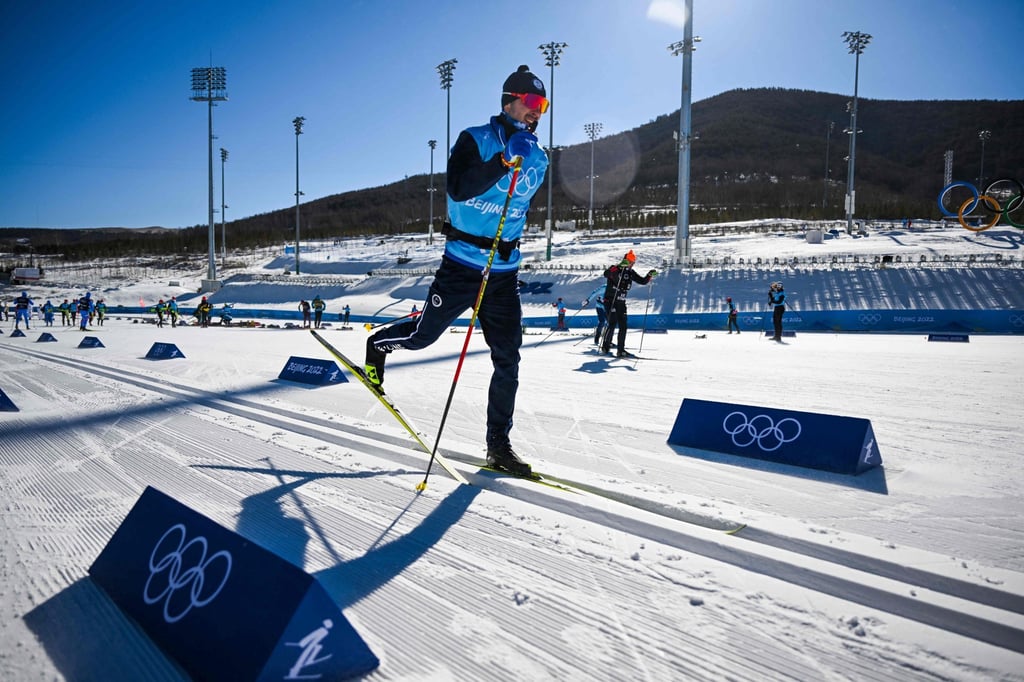
Zhang Bei, team leader of the Chinese cross-country skiing team, said while China had few athletes with significant winter sports experience, the aim was to build a platform for future athletes to build on.
“Once Beijing became hosts, the Chinese government promised to have an excellent Olympic Games. But at the time we had very few athletes that could participate in some of the competitions,” Zhang said.
“We aimed to get participants in these new events like cross country, and we also wanted our young athletes to be able to put in a good performance at the Games, and learn from them for future events.
“Some of the athletes dropped off and went back to other sports, but others did very well and learned the techniques very rapidly.”