More teams, bigger format but same result: key takeaways from 2026 Fifa World Cup
Despite fears beforehand over how fans would be treated and how the hosts would fare, there were thrills aplenty and some fairy-tale stories

The World Cup wrapped up on Sunday, with Spain crowned champions after beating Argentina 1-0 after extra-time in the final in front of a capacity crowd at MetLife Stadium.
Here are some takeaways from the tournament, which was co-hosted by the United States, Canada and Mexico.
New but same old, same old
A new, expanded format of 48 teams meant more matches, more goals and more records broken. But ultimately, the tournament was dominated by the usual suspects, with all four semi-final places won by world football governing body Fifa’s top four ranked teams: Argentina, Spain, France and England.
There were, however, a couple of fairy-tale runs: Cabo Verde won over supporters’ hearts after the debutant band of journeymen professionals and raw youngsters held Spain and Uruguay to draws and forced Argentina into extra-time. Norway entertained audiences with their “Viking row” and made it to the quarter-finals for the first time.
How the hosts fared
Ahead of the tournament, worries over visas, guns and a lack of local interest had made many global fans sceptical of the US role in hosting. But ultimately supporters found a warm welcome from Americans in what became known as the Great American Sleepover. Social media was filled with cross-cultural posts of Americans embracing the traditions of visiting supporters – even morning bagpipes – and Europeans discovering the delights of free soda refills.
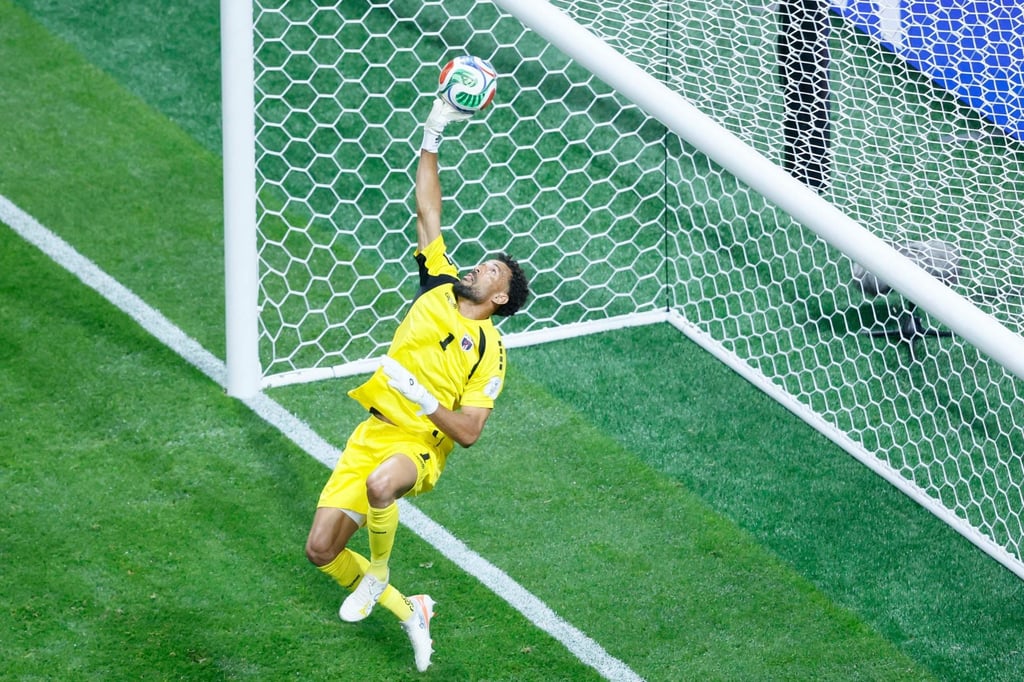
Men’s football in co-host Canada has for years struggled to take off at the higher levels, but the team’s progress to the last 16 signalled that may be changing, with investment in the sport accelerating and games attracting record crowds.