Wings, power units, sons of DRS: a rough guide to Formula 1 rule changes for 2026
‘Revolutionary’ changes including smaller, lighter and more eco-sustainable cars could make the new season a very different one

The 2026 Formula One season has been flagged up as revolutionary because of the sweeping changes to chassis and power unit regulations, designed to create more overtaking opportunities and improve the sport’s eco-sustainability.
Four-time world champion Max Verstappen has already said the new cars are “not fun to drive” while Lando Norris, the man who took his crown last season, stirred the pot by saying they were fun before reversing at speed by remarking they were “certainly not the purest form of racing”.
But what does that mean? How different will 2026 be to 2025 when McLaren ran away with the constructors’ title with Red Bull, Mercedes and Ferrari choking on their fumes?
Here is a look at the main changes:
The cars
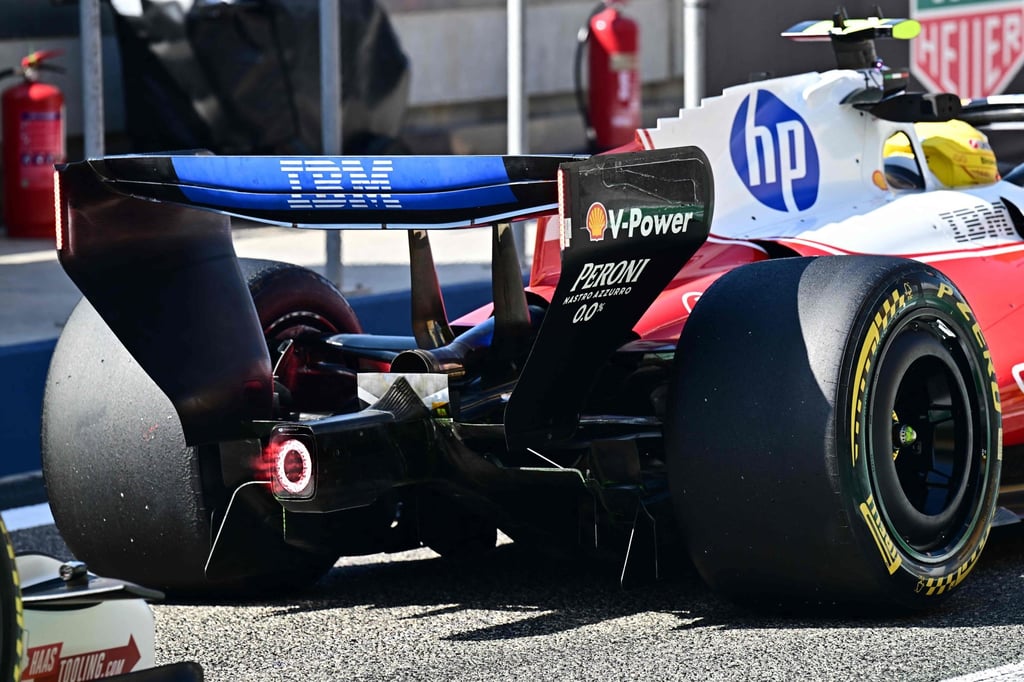
The cars will look noticeably different from the 2025 models, notably the Adrian Newey-designed “pelican-nose” Aston Martin. Overall, they are 30kg lighter and 20cm shorter and 10cm narrower. The wheelbase has been shortened, which should make them nippier through corners.