Tokyo Olympics: the ancient craft of kata, one half of the debuting karate discipline that merits performance and respect
- Hong Kong kata star Grace Lau is set to take the stage, but why is she not hitting a physical opponent?
- Originating from Ryukyu kingdom, judges assess both technical and athletic performance
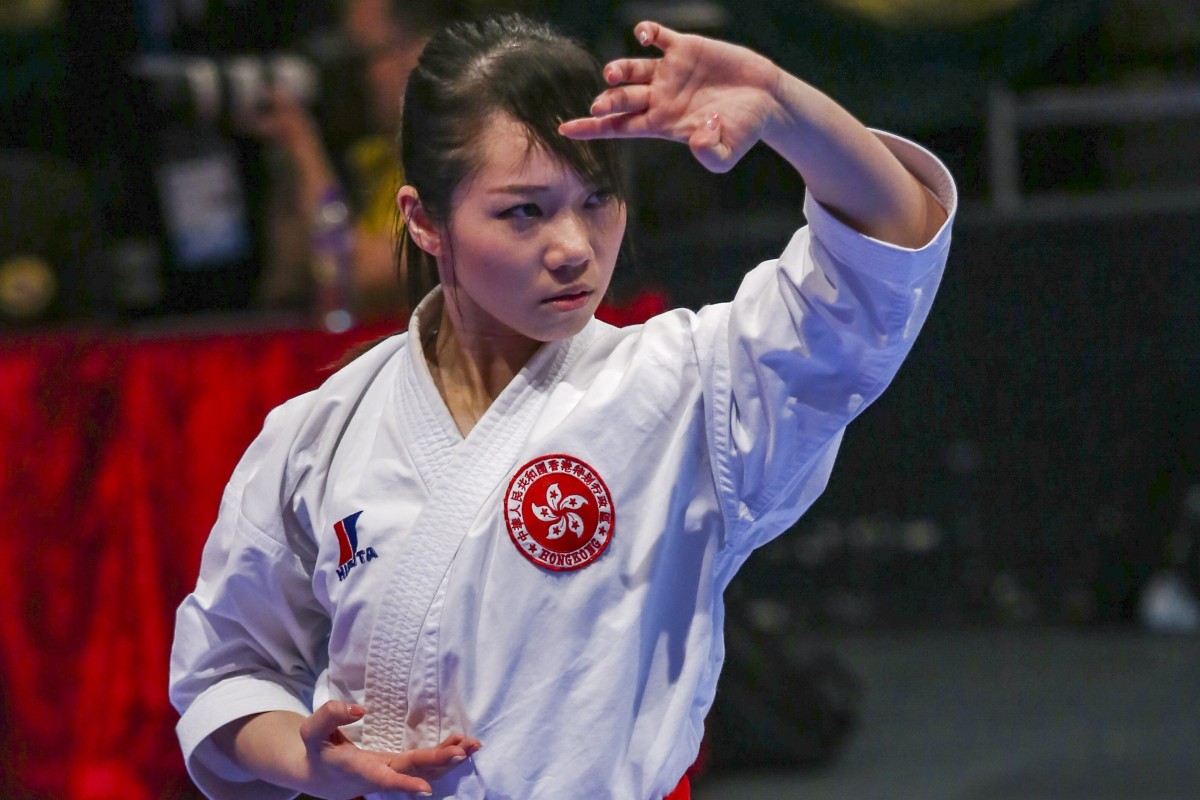
The kata is one of two disciplines of karate (the other kumite, or sparring) and will be introduced to the Olympics for the first (and likely only) time in Tokyo. Hong Kong is fielding Grace Lau Mo-sheung – the world women’s individual kata No 6 – in the hope she wins another medal for what is already the city’s most successful Games in history.
Here’s what you need to know about this relatively unknown event, and how this ancient craft will translate into the top multi-sport competition on the planet.
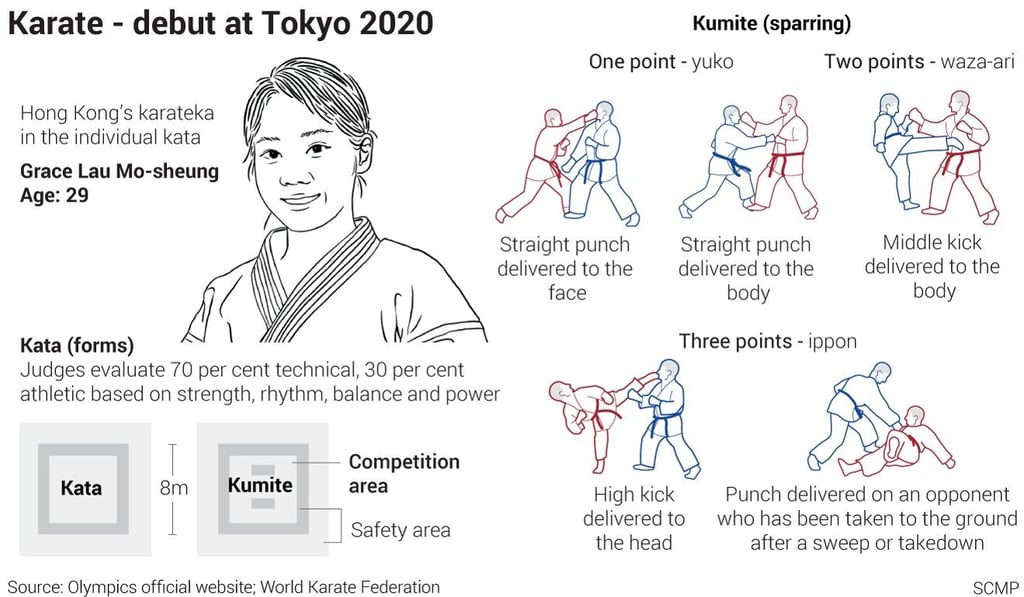
What is kata?
Contrary to popular belief, karate is not only about combat. The martial art originating from Ryukyu kingdom, present-day Okinawa, is considered to have three limbs, one of which is kata.

04:10
Hong Kong’s greatest Olympics get even better with 2 bronze medals in table tennis and karate
Kata means “form” in Japanese. It is the performance of a series of predefined sequences. Despite its non-combat philosophy, the kata incorporates attack and defence in its movements, performed as if the karateka (karate practitioner) were facing a physical opponent.