The big issue - what happens to those 300-pound blocks of bone and muscle after retirement?
Size can be an asset in the NFL, but what happens when you reach the end of your playing days?
Roger Brown was made to go to the train station back then, standing where they weighed logs and iron. The Detroit Lions' scale didn't reach such ungodly measures.
Weigh-in day came each Thursday, and most weeks this was nerve-racking and humiliating. In the early 1960s, Brown's target weight as a defensive tackle was 280 pounds (127kg); for each extra pound he was fined US$10. The team's scale stopped at 250, and so away they went. He'd stand there amid the other freight, a few teammates chiming in with oinks and grunts, while they waited to see that week's number, which sometimes registered 300 or more.
"Today," Brown says now, at age 77, "fans look at you as this big, healthy [butt] kicker. Back then, you were just an overweight blob."
Once you're done, you're done. You're out, and you're on your own
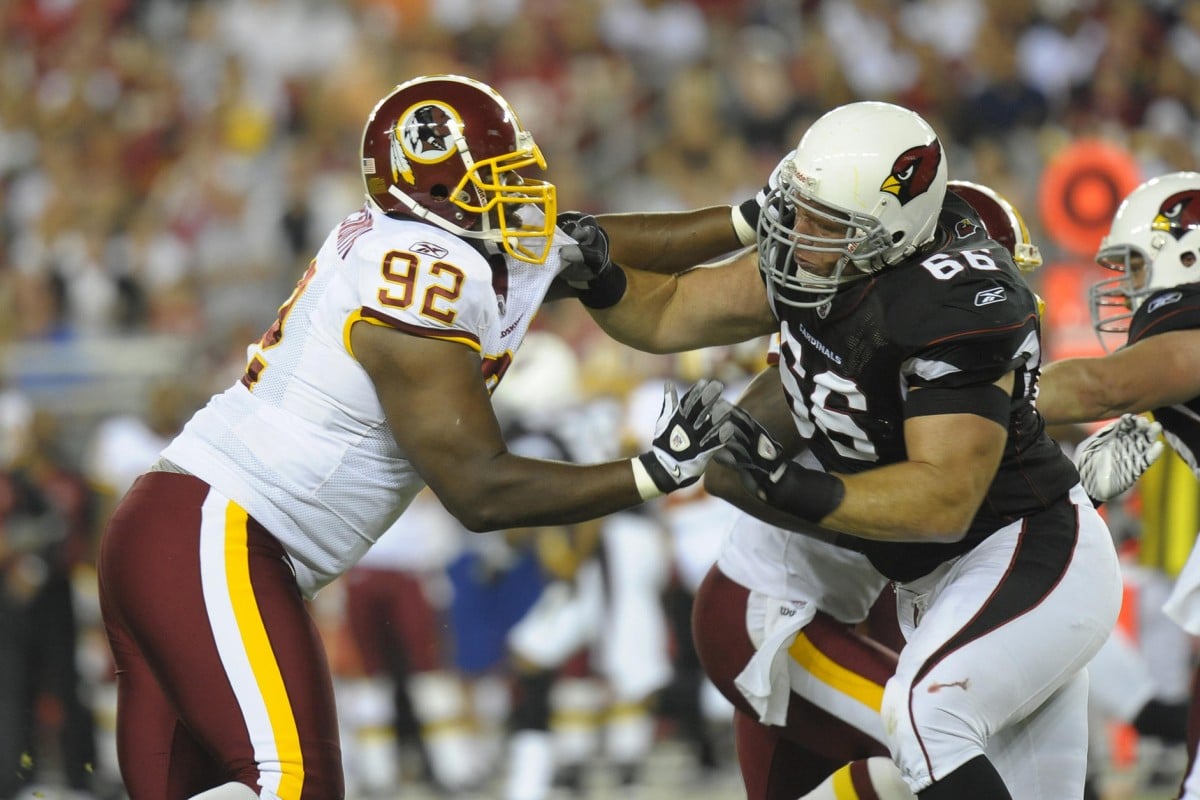
In the early 1960s, Brown was the biggest man in American football - and, as the NFL's first regular player to weigh 300 pounds, something of an oddity. These days, there's nothing unusual about a player that size. Three weeks ago, when 256 players entered the league via the NFL draft, 57 were listed at weights of at least 300 pounds.
But what happens when the games end and a man no longer needs to be so big to earn his living? Some former players channel their competitive drives into new activities - former NFL linemen Matt Birk and Alan Faneca have recently appeared in public barely recognisable after astonishing weight losses - but others keep expanding. "Today, I look at the guys," Brown says, "and, whew, they're in trouble."
The NFL is now bigger than ever, and about a dozen years ago offensive lineman Aaron Gibson became the league's first 400-pound player. Although league and players' association officials suggest that, in today's NFL, plenty is being done to educate players about managing their weights after they retire, several former players say they feel unprepared for life after football. After years of having their sizes carefully managed, strength coaches and nutritionists keeping close tabs on players' weights, some ex-players feel abandoned.
"Once you're done, you're done," said Antone Davis, a former NFL offensive lineman who grew to nearly 450 pounds after he retired. "You're out, and you're on your own."