Norovirus outbreak at Pyeongchang Winter Olympics has officials scrambling as local media frets
Organisers say norovirus spread began on Sunday when private security workers staying in Jinbu area started complaining of headaches, stomach pain and diarrhoea

Signs posted around the Olympic venues urge extreme caution. Nine hundred troops stream into the area to help. Worried organisers sequester 1,200 people in their rooms. Officials are scrambling on the eve of the biggest planned event in South Korea in years – not because of anything related to North Korea and national security, but in an attempt to arrest the spread of norovirus at the Pyeongchang Games.
Local media are fretting over a “virus panic”. South Koreans, always quick to air their views online, have poured scorn on the government’s response and preparations. Are the Games hygienic? What will people think about South Korea? Could this spread to the athletes?
Norovirus fears may turn out to be much ado about nothing. But with a national reputation on the line, officials are scrambling to contain its spread. No one here wants these games associated more with disease than athletics in the manner that Zika, a mosquito-borne disease linked to a rare birth defect, loomed over the Rio Olympics in 2016.
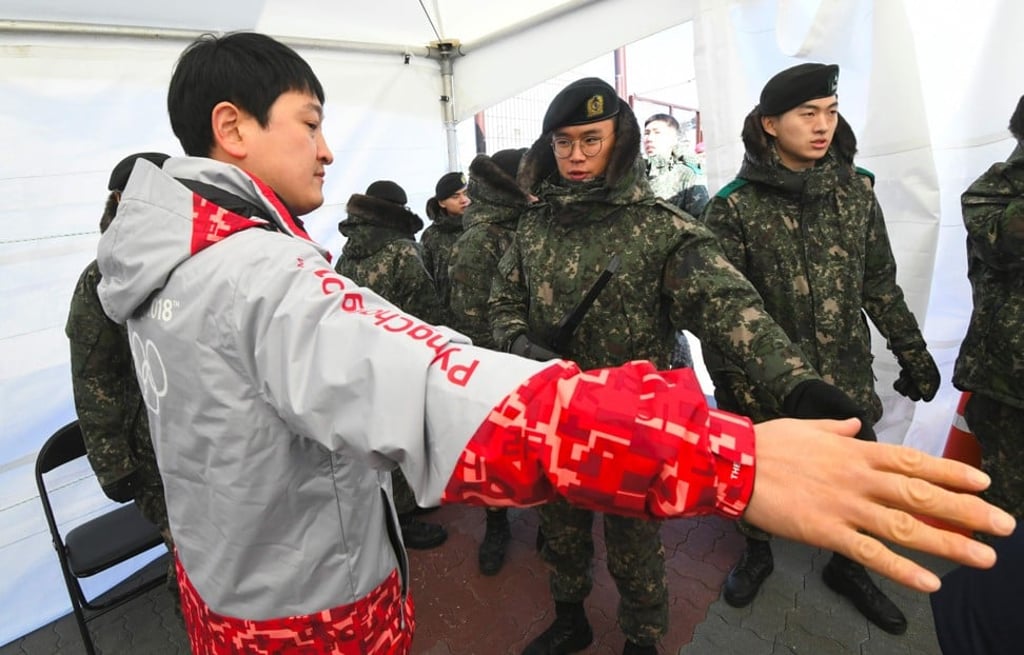
According to Olympics organisers, the norovirus spread began on Sunday when private security workers staying in the Jinbu area of Pyeongchang started complaining of headaches, stomach pain and diarrhoea.
About 1,200 people were kept in their rooms during tests for the contagious virus. Local and national health officials say they have investigated 1,023 people. Games organisers said on Wednesday that 32 workers are being treated for norovirus and are in quarantine, including three foreigners.