
Asian Games 2018: Indonesia’s legacy will be its people, not its stadiums or roads
While the infrastructure will remain after the Games, organisers are putting the emphasis on the human element to promote brand Indonesia to the world

Tya Febriani was working in her building at the Jawa Pos in Surabaya when the police arrived. She heard that they took away someone who may have had links to the May 13 and 14 bombings in the East Java city that killed dozens of people.
“It wasn’t someone from our company but they were in the building,” said Tya, who is covering the Asian Games in Jakarta for her news outlet.
Tya and her fellow Indonesians are as shocked as the rest of the world at the attacks, which targeted three churches and a police station. And like everyone else, she said the greatest tragedy was that the perpetrators used children as young as nine years old to carry out the attacks.
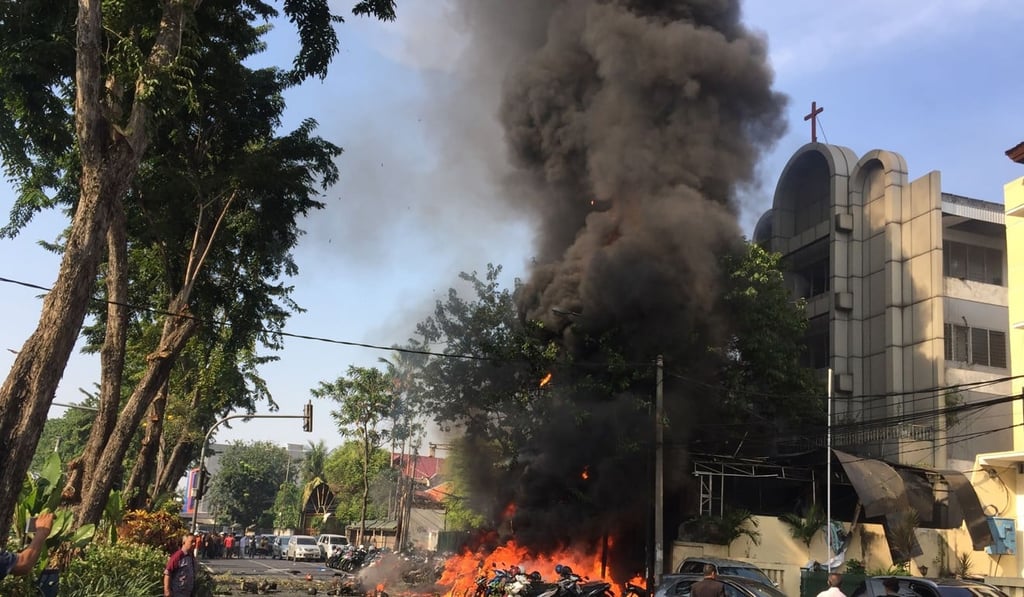
“For two weeks afterwards, Surabaya was so quiet,” she said. “People couldn’t quite believe what happened. I don’t understand why people would do something like that. I can’t imagine what goes through their minds to kill people like that.”
Tya is one of thousands of young Indonesians contributing to the Asian Games effort, be it journalists, translators, drivers, volunteers or ushers. Her vision for a future Indonesia is very much different from those who masterminded the bombings.