ExplainerOlympic Games has a history of political protest, from Irish independence to black power
- Despite International Olympic Committee’s assertion the Games should be a symbol of unity and camaraderie, the reality is far different

Two days before the start of the Paris Olympics, geopolitical tensions once again overshadow the Games’ traditional claims of being a space for peace and unity.
Despite the International Olympic Committee’s (IOC) repeated assertion that the Games should remain an example of international camaraderie, the reality tells a different story.
Since its introduction into the Olympic Charter in 1975, Rule 50 has stated: “No kind of demonstration or political, religious or racial propaganda is permitted in any Olympic sites, venues or other areas.”
Yet, the quadrennial sporting event has frequently been a stage for political protests, interweaving action at both individual and national levels. This year is unlikely to be any different.
Irish protest
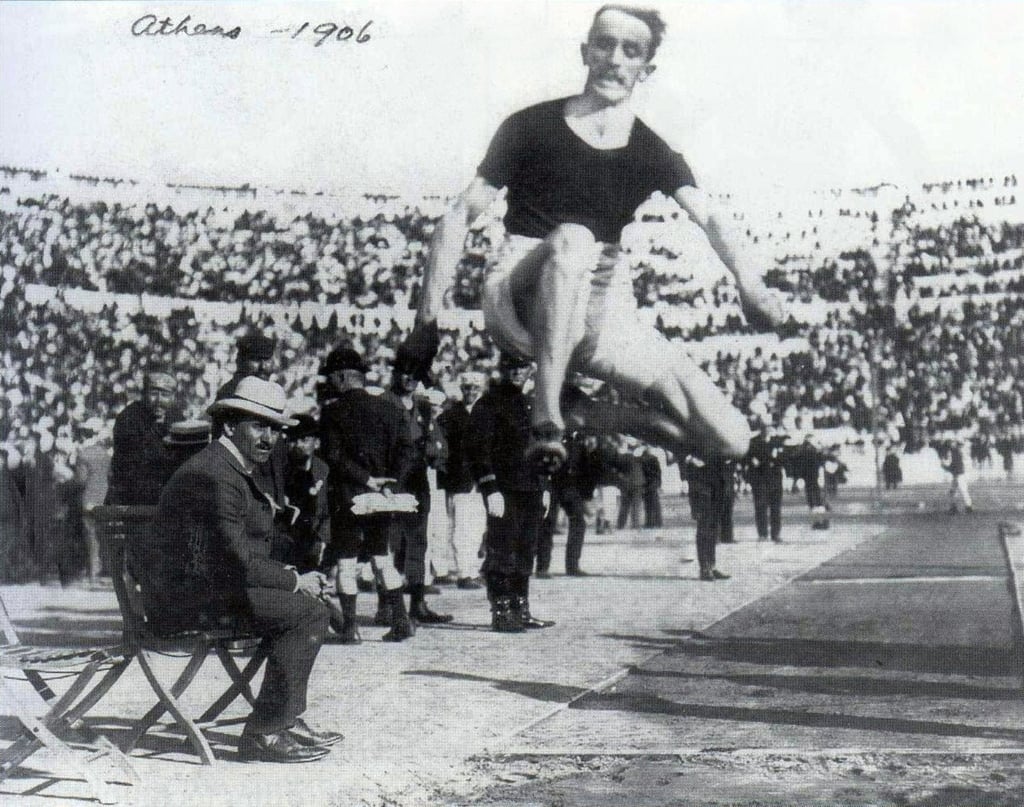
Dating back to the 1906 in Athens, when the movement for Irish independence was in full swing, Peter O’Connor, an Irish track-and-field athlete, climbed up a six-metre flagpole in the stadium and waved a flag with the words “Erin Go Bragh”, an Irish-language phrase meaning “Ireland forever”.