More waves, moving aid stations; meet the crowd scientist changing the Boston Marathon
With more than 32,000 runners expected to take part in Monday’s race, organisers have been getting creative in managing time and space

Running the Boston Marathon is tough enough without having to jostle your way through some of the route’s famously narrow streets.
So this year, organisers have turned to an expert in crowd science to help them manage the field of more than 32,000 as it travels the 26.2 miles (42.195 kilometres) through eight Massachusetts cities and towns.
“There are certain things that we can’t change – that we don’t want to change – because they make the Boston Marathon,” said Marcel Altenburg, a senior lecturer of crowd science at Manchester Metropolitan University in Britain. “Like, I’m a scientist, but I can’t be too science-y about the race. It should stay what it is because that’s what I love. That’s what the runners love.”
The world’s oldest annual marathon, the Boston race was inspired by the endurance test that made its debut at the inaugural modern Olympics in 1896, itself a tribute to the myth surrounding the messenger Pheidippides, who legend says ran to Athens with news of the Greek victory over the Persians in Marathon.
After sharing the news – “Rejoice, we conquer!” – Pheidippides dropped dead, or so the story goes.
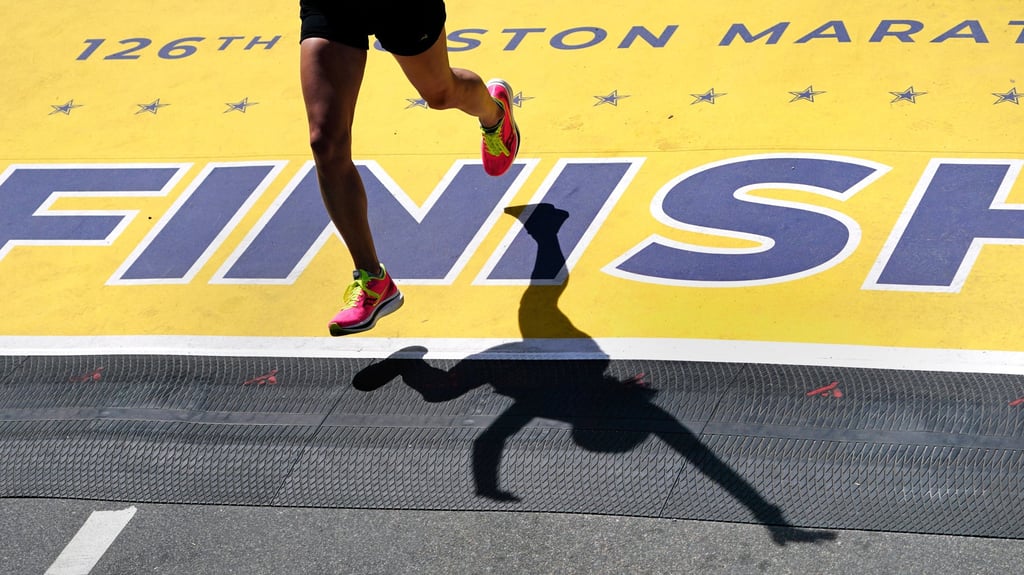
Officials would prefer a more pleasant experience for Boston runners, even as the field has ballooned from 15 in 1897 to as many as 38,000 to meet demand for the 100th edition in 1996. It has settled at around 30,000 since 2015.