Mount Everest mess: abandoned tents and human waste piling up as cleaning crews struggle
- Government clean-up efforts falter with more waste than ever on the mountain
- Human waste is contaminating native water sources
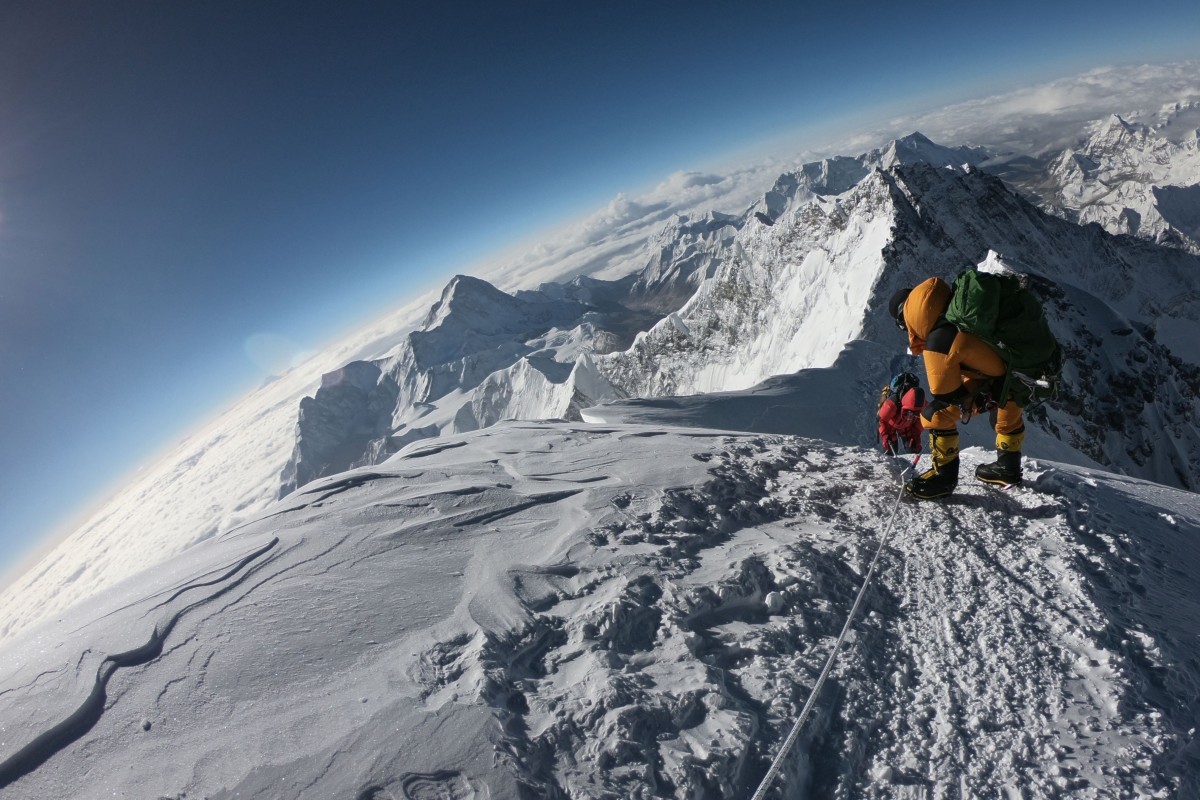
After every party it’s time to clean up and Mount Everest is no different. The record number of climbers crowding the world’s highest mountain this season has left a government clean-up crew grappling with how to clear away everything from abandoned tents to human waste that threatens drinking water.
Budget expedition companies charge as little as US$30,000 per climber, cutting costs including waste removal. Everest has so much garbage – depleted oxygen cylinders, food packaging, rope – that climbers use the trash as a kind of signpost. But this year’s haul from an estimated 700 climbers, guides and porters on the mountain has been a shock to the ethnic Sherpas who worked on the government’s clean-up drive this spring.
Moreover, the tents are littering South Col, or Camp 4, which, at 8,000m is the highest campsite on Everest, just below the summit. The high winds at that elevation have scattered the tents and trash everywhere.
“The altitude, oxygen levels, dangerously icy and slippery slopes, and bad weather of South Col make it very difficult to bring such big things as tents down,” said Dawa Steven Sherpa, who led an independent clean-up last month and has been a leading figure in the campaign to clean Mount Everest for the past 12 years.
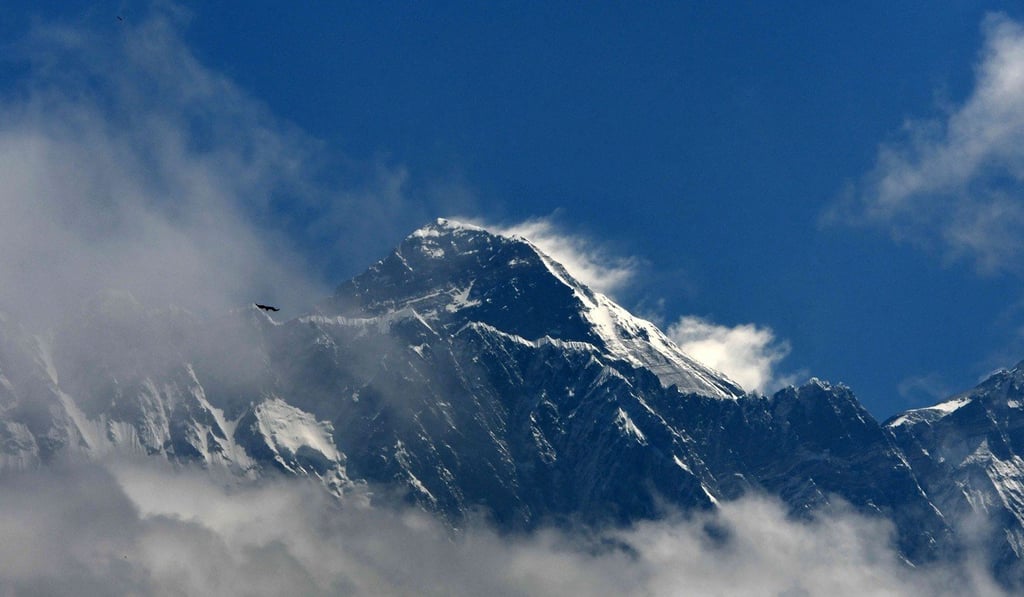
Exhausted climbers struggling to breathe and battling nausea leave heavy tents behind rather than attempt to carry them down. Sherpa said the logos on the ice-embedded tents that identify the expedition companies were deliberately ripped out so the culprits could evade detection.