
Marathon crowds prove perfect place to study hydrodynamic theory as crowd flows as one
- Scientists are turning to marathons to study crowd dynamics because races have simple geometry, replicability and reliable variables direction

Picture yourself queuing up at the start line of a major marathon, say the Standard Chartered Hong Kong Marathon. You are one of thousands of runners, pressed shoulder to shoulder with other anxious competitors, about to embark on a 42.195-kilometre test of endurance.
If you are an elite runner, you would be at the very front, dashing off as soon as the starting gun is fired. But for the overwhelming majority, the start is a slow, minutes-long affair.
Runners shuffle their way forwards gradually, guided by race staff who shepherd the different corrals of competitors grouped by their respective expected finish times. One wave after another, with periodic stops as the race staff hold back racers until there’s space to continue moving forward, the runners progress toward the start line and begin the race.
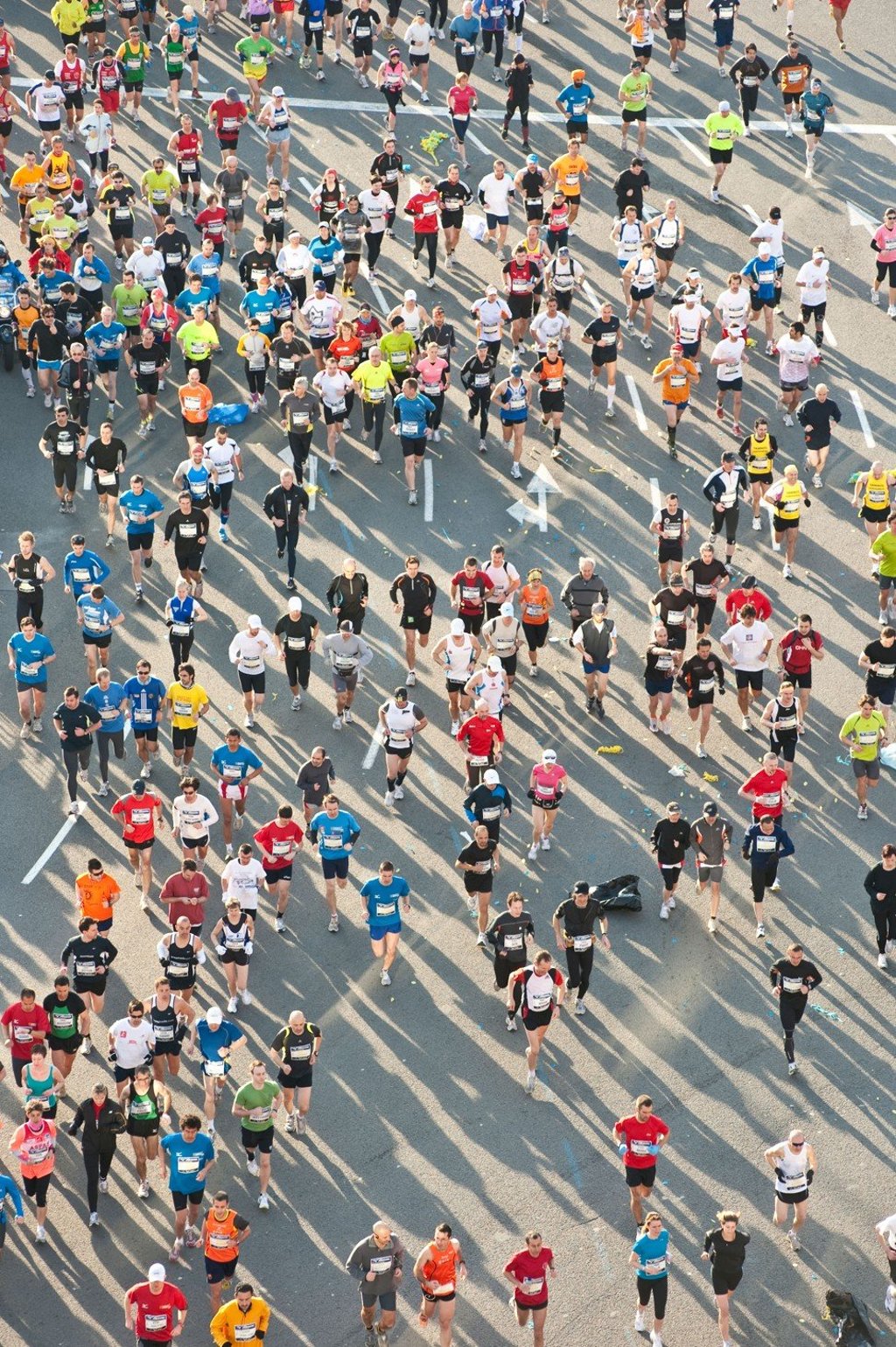
This pattern is repeated in marathons the world over. And the whole spectacle looks like flowing water.