New | Hong Kong-listed AAC Technologies seen as beneficiary as Apple rolls out new iPhone 7

AAC Technologies, a leading supplier of electronic micro-component systems, is expected to see accelerated growth later this year as client Apple Inc embarks on significant upgrades to its much-anticipated iPhone 7.
Analysts expect Hong Kong-listed AAC’s growth prospects related to Apple would be clearer in the third quarter, when the US technology giant traditionally introduces its latest smartphone model.
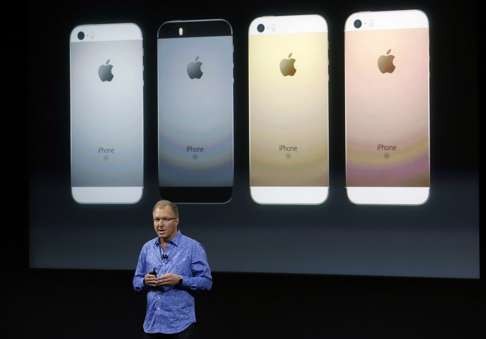
Hong Kong-listed AAC is a global supplier of miniature acoustic and non-acoustic components to Apple, Samsung Electronics, LG Electronics and major Chinese smartphone brands, including Huawei Technologies, Xiaomi, Lenovo Group, ZTE, Oppo, Coolpad and Meizu.
AAC, based in Shenzhen, produces a range of micro-component systems include receivers, speakers and microphones, which are used on the iPhone, iPad and Apple Watch.
It also has non-acoustic parts, such as radio frequency (RF) mechanical products that combine antennas with metal frame solutions as well as proprietary haptics vibrators, used in those same three high-margin products.
Haptics refers to the technology used on mobile phones and smartwatches that enable a user to feel a tactile sensation when interacting with an application. Video game controllers have used this technology for years, but its adoption for so-called smart wearable devices could potentially make haptics part of many everyday applications.