Chinese electric-car maker NIO’s shares soar as loss shrinks, though cash concerns linger
- NIO reported an adjusted net third-quarter loss of US$342.9 million, smaller than expected
- Its finances remain strained, with the government reducing subsidies and tougher competition with Tesla
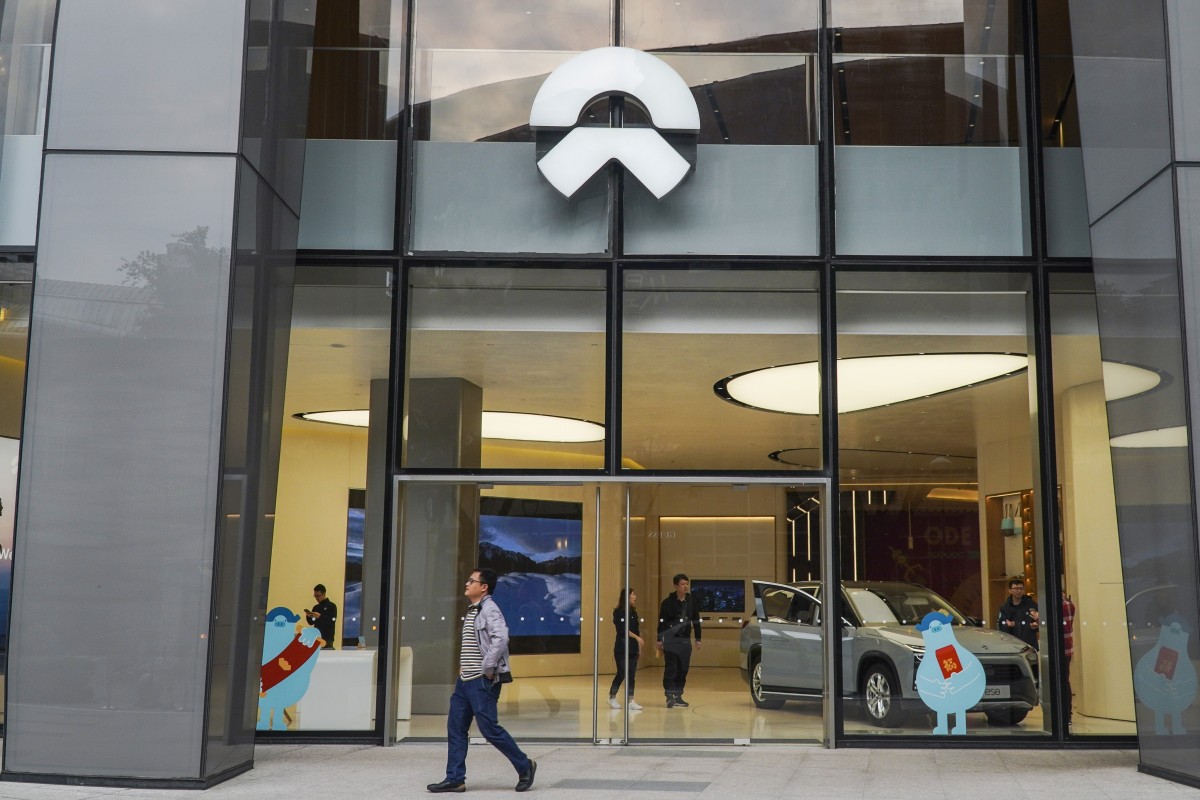
NIO surged in US trading after the Chinese electric-car maker paired better-than-expected quarterly results with a warning that it is still running low on cash.
NIO’s adjusted net loss was US$342.9 million for the quarter ended in September, a smaller deficit than the prior three months and what analysts were estimating. While the Shanghai-based company does not have enough money to continue operating another 12 months, Chief Financial Officer Feng Wei said during an earnings call that “significant positive progress” has been made arranging financing by selling equity or debt.
American depositary receipts for the maker of ES6 and ES8 electric sport utility vehicles at one point more than doubled in intraday trading and closed up 54 per cent, the biggest jump since the day after its September 2018 initial public offering. The stock is still down 42 per cent this year.
While NIO has cut thousands of jobs and started to scale back marketing expenditures, its finances remain strained. China’s electric-car market is slowing as the government reduces subsidies, and competition is getting tougher with Tesla starting deliveries of its China-assembled Model 3 sedans.
“It’s not as though management definitively addressed the company’s solvency problem,” Alexander Potter, an analyst at Piper Jaffray with the equivalent of a hold rating on NIO, wrote in a report. “Although NIO made some encouraging comments on today’s call, we still lack conviction in our estimates. In particular, we don’t know how much capital the company will be able to raise – and we don’t know when this cash infusion (if any) will materialise.”
While NIO’s revenue rose about 25 per cent to US$257 million in the quarter, sales still are not improving enough to make up for expenses on product development, splashy marketing campaigns and lavish retail outlets. The company has accumulated a deficit of about US$6 billion since its founding in 2014.