Chinese short video giant Kuaishou now lets users memorialise accounts when the owners die
- Kuaishou introduced the feature over China’s Ching Ming Festival, or tomb-sweeping day
- Internet platforms are increasingly aware of the need to set up clear rules on handling the accounts of deceased users

Kuaishou, China’s second-largest short video-sharing platform, has launched a new function that lets people mourn deceased users, joining a growing number of Chinese social networks exploring ways to handle the digital afterlife of their members.
During Ching Ming Festival, or tomb-sweeping day, on Sunday, Kuaishou announced that it will begin allowing accounts of deceased users to be handed over to a legacy trustee. The memorialised accounts will display the users’ year of birth and death, as well as a candle emoji, according to a statement from the company on Monday.
The question of how to take care of a person’s digital heritage – defined by Unesco in 2003 as texts, images, audio and other virtual footprints left behind by people after death – has become increasingly pressing as people spend more time online.
02:01
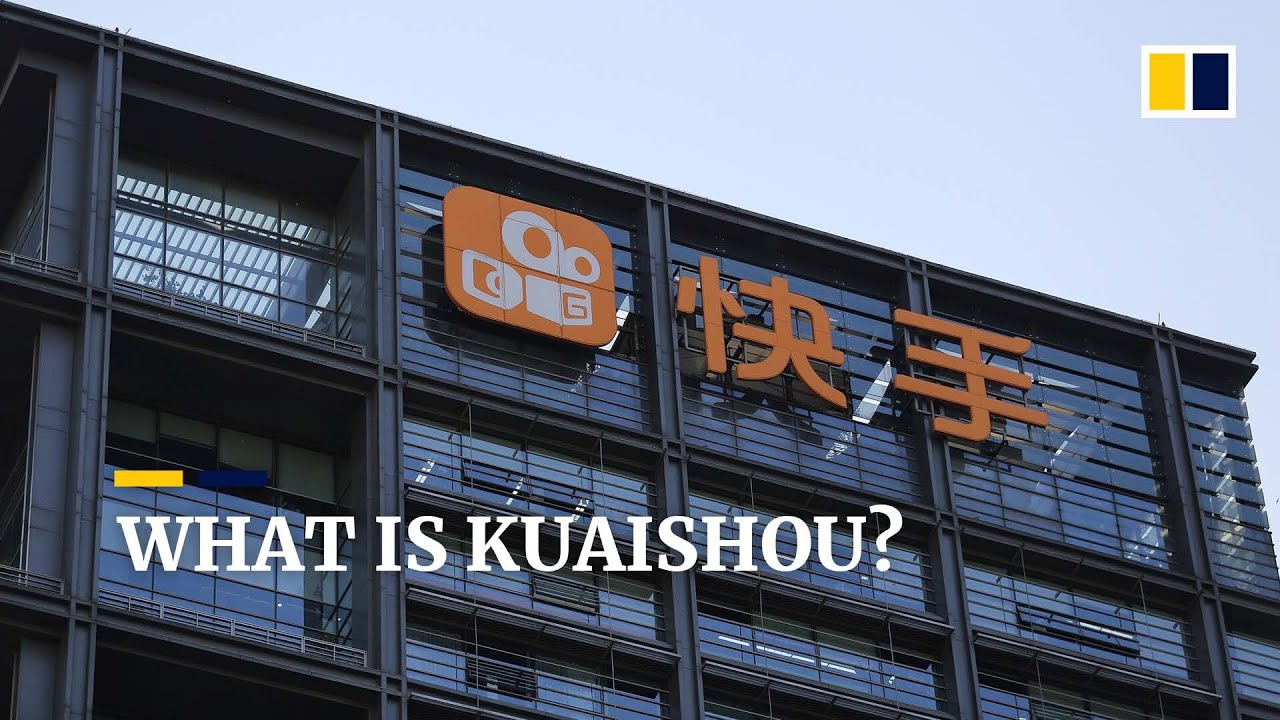
What is Kuaishou? Understanding China’s video-sharing app
Last year, microblogging platform Weibo started accepting requests to freeze a dead person’s account, preventing others from logging in, as well as posting or deleting any content. Video-streaming platform Bilibili also rolled out a similar protective feature.
Digital heritage includes more than just a dead person’s social media accounts and posts, according to Dong Yizhi, a lawyer at Shanghai-based Joint-Win Partners.