Expect multiple IPOs after Alibaba splits into six units in major overhaul of e-commerce giant, CEO Daniel Zhang says
- In a video circulated by Chinese media, Zhang said he hopes there will be ‘multiple listed companies emerging from the Alibaba system’
- Alibaba’s business has become to big to be managed by just a few executives, especially for Zhang, who has taken on an extremely busy schedule

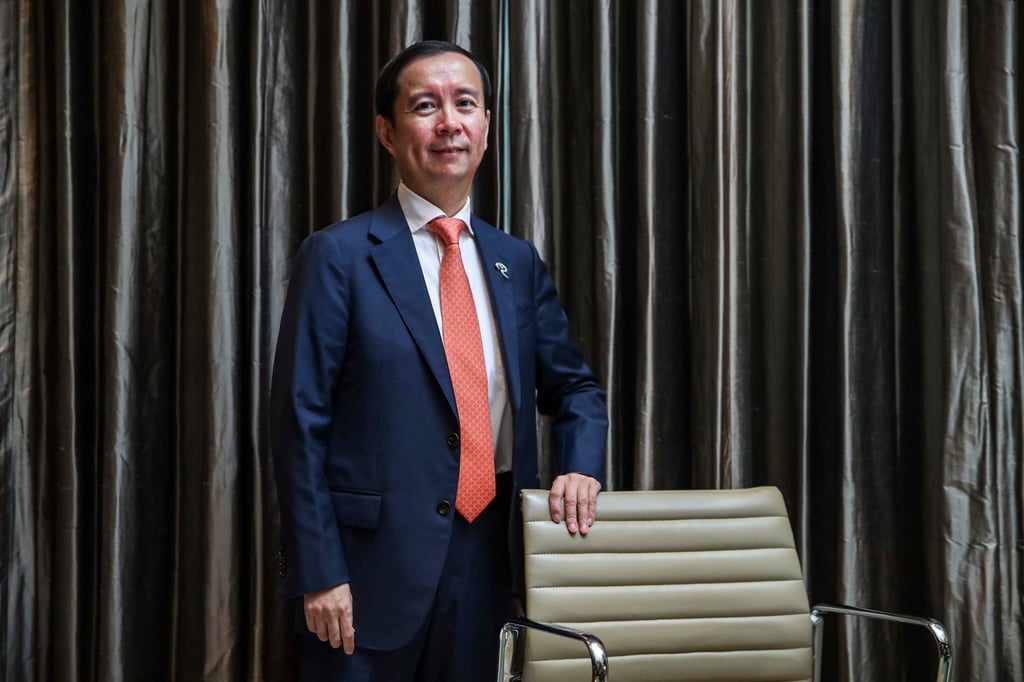
Alibaba’s decision to overhaul its sprawling US$257 billion empire by reorganising its business into six independently-run groups marked the most important move that Zhang, 51, has made since taking over the top executive position from company founder Jack Ma in 2015.
Shares of Alibaba, owner of the South China Morning Post, surged in New York and Hong Kong after the plan was announced on Tuesday.
In a 16-minute video showing Zhang addressing employees, circulated by Chinese media, the CEO said it was time to let Alibaba’s six major business clusters – cloud intelligence, Taobao-Tmall commerce, local services, Cainiao smart logistics, global digital commerce, and digital media and entertainment – fly solo.
“When the kids are grown, they need to leave home to face the market by themselves,” Zhang said. “I hope there will be multiple listed companies emerging from the Alibaba system, and that they will continue to nurture their own sons and daughters, and cultivate more listed companies.”
“A public listing is essentially a market test: If large institutions and small individual investors are willing to subscribe to your shares, then it shows your business is doing well and you are welcome by them,” Zhang said. “That’s a lot more powerful than a 3.5, 3.75, or 3.25 performance grade,” he added, referring to Alibaba’s staff appraisal mechanism.
The Hangzhou-based company’s sweeping overhaul, which resulted in the delegation of management authorities to individual business groups, came after years of deliberations among Zhang and other executives, according to sources familiar with the process, who declined to be identified as they are not authorised to speak publicly.