ChatGPT maker’s mission to prevent AI from ‘going rogue’ will eat up a fifth of OpenAI’s compute power
- ’The vast power of superintelligence could … lead to the disempowerment of humanity or even human extinction,’ an OpenAI co-founder wrote in a blog post
- The start-up, backed by Microsoft, is dedicating 20 per cent of compute power to solve the ‘alignment problem’ to make AI’s goals beneficial to humans

“The vast power of superintelligence could … lead to the disempowerment of humanity or even human extinction,” OpenAI co-founder Ilya Sutskever and head of alignment Jan Leike wrote in a blog post. “Currently, we don’t have a solution for steering or controlling a potentially superintelligent AI, and preventing it from going rogue.”
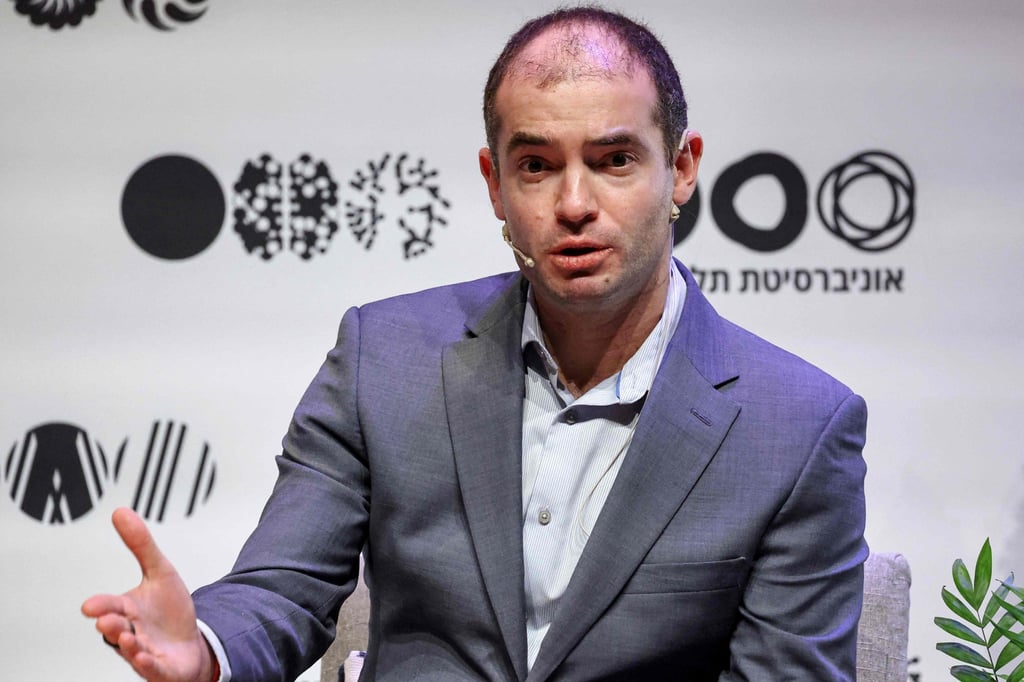
Superintelligent AI – systems more intelligent than humans – could arrive this decade, the blog post’s authors predicted. Humans will need better techniques than currently available to be able to control the superintelligent AI, hence the need for breakthroughs in so-called “alignment research”, which focuses on ensuring AI remains beneficial to humans, according to the authors.
OpenAI, backed by Microsoft, is dedicating 20 per cent of the compute power it has secured over the next four years to solving this problem, they wrote. In addition, the company is forming a new team that will organise around this effort, called the Superalignment team.
The team’s goal is to create a “human-level” AI alignment researcher, and then scale it through vast amounts of compute power. OpenAI says that means they will train AI systems using human feedback, train AI systems to assistant human evaluation, and then finally train AI systems to actually do the alignment research.
AI safety advocate Connor Leahy said the plan was fundamentally flawed because the initial human-level AI could run amok and wreak havoc before it could be compelled to solve AI safety problems.