Chinese consumers are warming to smart speakers but route to big profits for makers is still uncertain
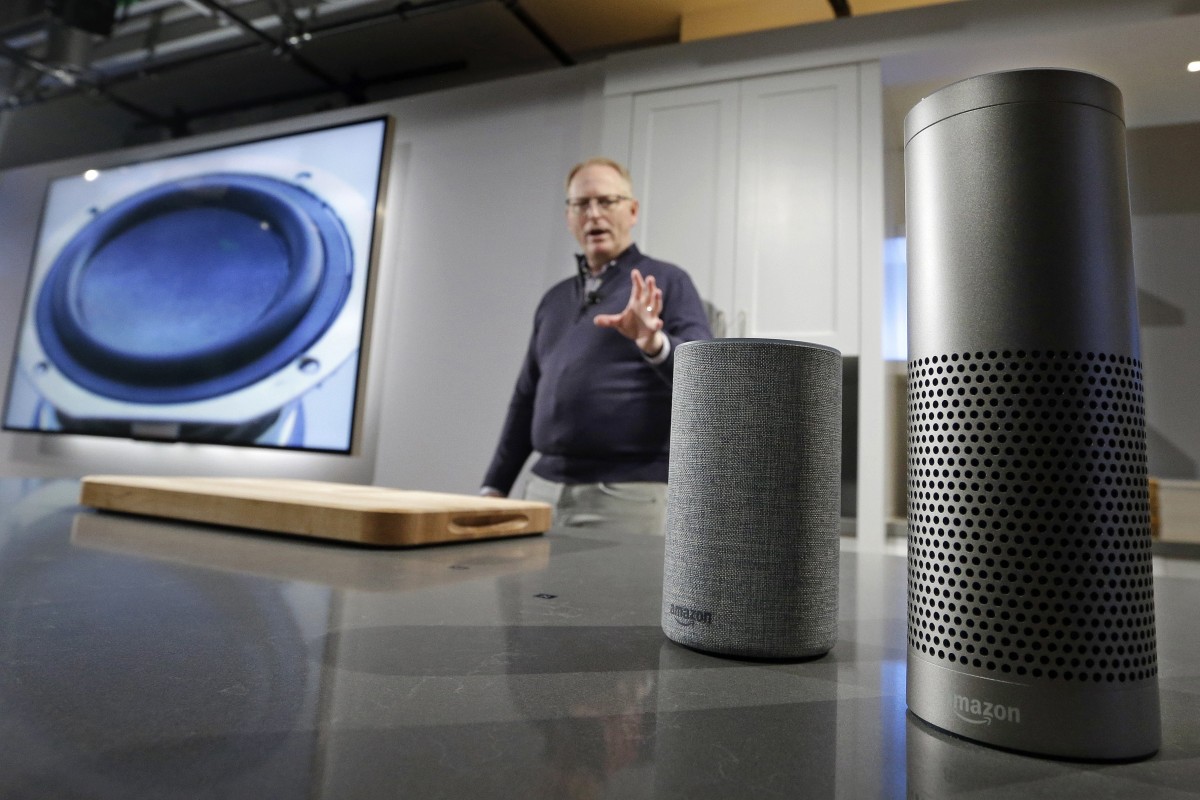
- Smart speakers were still novelty gadgets in 2017, even though it was three years after Amazon debuted Echo - now they are selling fast
When Zeng Longfei has a spare moment in between serving customers in a shop in Beijing’s northwestern suburb, he sometimes holds his smartphone close to his face, then taps on the screen to open one of his favourite apps.
He listens to music, a chapter of a novel, or a news article that is read out loud. Sound is the centre of the 30-year-old blind masseur’s life, after a fever took away most of his vision nearly two decades ago.
For years, Zeng’s smartphone has been the Henan man’s favourite tech tool. He listens to music, converses with other people on WeChat, shops online on Taobao, performs transactions on Alipay, orders food that is delivered to his doorstep, and uses GPS-enabled street maps to navigate around unfamiliar locales.
“I am so addicted to and dependent on my smartphone that I keep it close to me when I go to bed at night,” he said, sparing no affection.
But Zeng’s smartphone has a few competitors – the smart speakers in his workplace.
“Xiaodu Xiaodu, close the curtain,” Zeng commands as he walks into the room. The yellowish curtain moves slowly along a metal rail, forming a barrier between two massage beds. He follows up with, “Xiaodu Xiaodu, play some music.” The melody of a Chinese pop song by a little-known male artist fills the room.