Xiaomi seeks further growth in overseas markets despite rising geopolitical tensions
- The company’s second-quarter revenue reached US$7.7 billion, up 3.1 per cent from a year ago, on the back of strong premium smartphone sales
- The world’s fourth largest smartphone vendor also saw its overseas business bounce back to pre-pandemic levels in the same period

Xiaomi Corp, the world’s fourth largest smartphone vendor, said it remains confident about the company’s prospects in overseas markets, after it beat market estimates to post strong earnings in the quarter ended June 30.
“We see huge growth opportunities in the coming years in the overseas markets,” said Xiaomi president Wang Xiang in a conference call with analysts on Wednesday after the market closed. “We will keep a close eye on geopolitical developments, but will stay focused on implementing our strategies.”
He indicated that Xiaomi’s overseas businesses have bounced back to pre-pandemic levels and that smartphone sales in India have resumed to about 72 per cent of their level before the Covid-19 outbreak.
The Beijing-based company on Wednesday reported a 129.8 per cent jump in second-quarter net profit to 4.5 billion yuan (US$651 million), up from 1.9 billion yuan in the same period last year. The better-than-expected profit primarily came on the back of a gain made from the disposal of an investee company and a 21.8 per cent decrease in income tax expenses.
Revenue rose 3.1 per cent to 53.5 billion yuan from 51.9 billion yuan a year earlier. The company saw a higher proportion of sales generated by its mid- to high-end smartphones, increased demand for its Internet of Things and lifestyle products, solid growth from its internet services business, and improved overall turnover in its overseas markets.
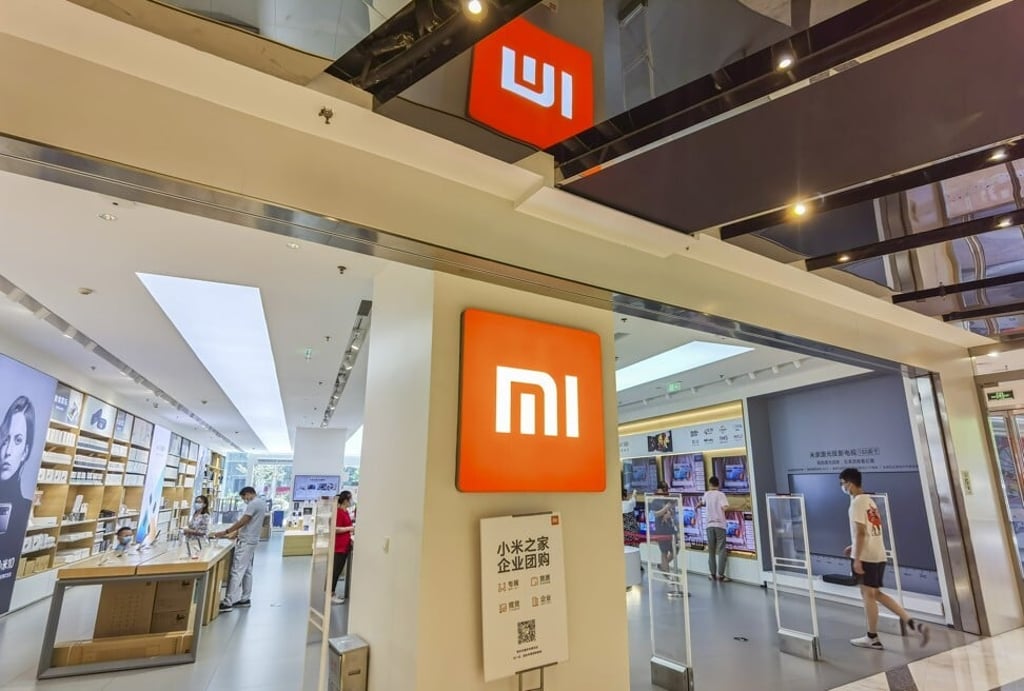
Hong Kong-listed Xiaomi’s latest quarterly results showed the company’s resilience, as it continued to expand amid disruptions caused by the Covid-19 pandemic, macroeconomic uncertainties and geopolitical tensions. The recent border conflict between India and China, for example, has resulted in calls for a boycott of Chinese goods in the world’s second most-populous economy.