Baidu launches self-driving robotaxi service for general public in Hunan, China
- Involving an initial fleet of 45 autonomous cars, the Baidu service will start on 50-kilometre-long open roads before gradually expanding

The general public in Changsha, capital of Hunan province, can now have a taste of the future by hopping into a self-driving taxi powered by Baidu.
The search giant and national artificial intelligence champion launched robotaxi services in the city on Thursday, about two years after Google’s self-driving unit Waymo started its pilot project in Phoenix, Arizona.
The taxi services, involving an initial fleet of 45 autonomous cars, are expected to run initially on 50-kilometre-long open roads before gradually expanding to cover the entire Changsha pilot zone of 70 square kilometres, making it the largest trial of its kind, according to the company.
“The trial operations in Changsha demonstrate that the Apollo robotaxi is progressing from research and development to a market reality, which will serve to provide rich feedback from real-world scenarios,” said Li Zhenyu, Baidu vice-president and general manager of its intelligent driving group, in a statement. “Intelligent driving is a great journey, and today marks a solid step forward.”
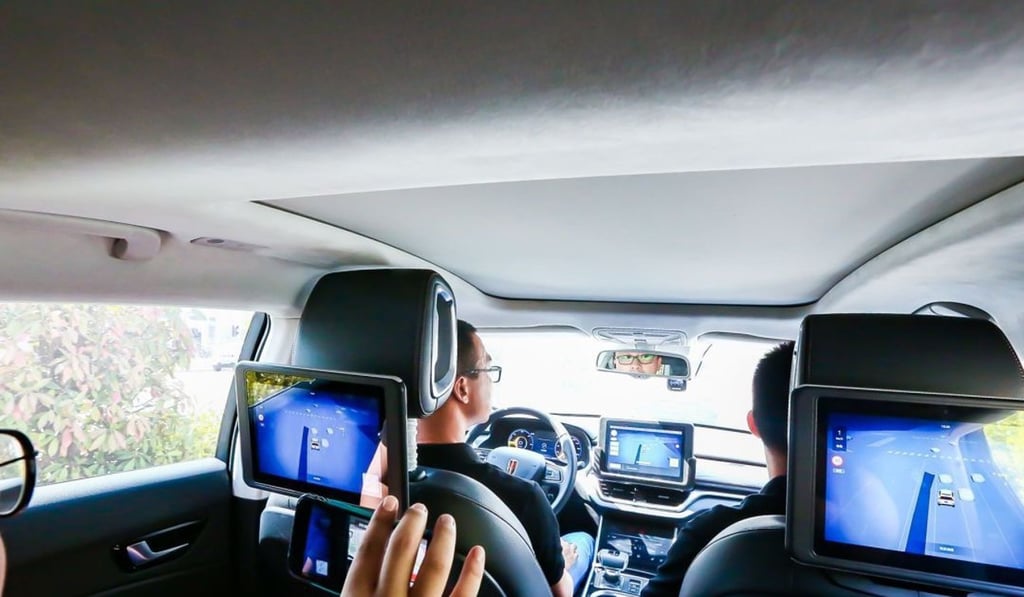
The robotaxi service is operated on Hongqi electric vehicles, a model jointly developed by state-owned car maker FAW Group and Baidu for level-four autonomous driving, although a human operator still needs to be assigned to each car to ensure compliance with Chinese safety regulations.
The move comes as Chinese cities have been competing with each other to get a head start in the futuristic mobility service, known for its low cost and high operational efficiency.