As facial recognition tech races ahead of regulation, Chinese residents grow nervous about data privacy
- Generally believed to be more accepting of trading privacy for security, Chinese residents are increasingly voicing concerns about facial recognition
- A law professor in east China recently sued a wildlife park after it introduced a facial recognition-based entry system
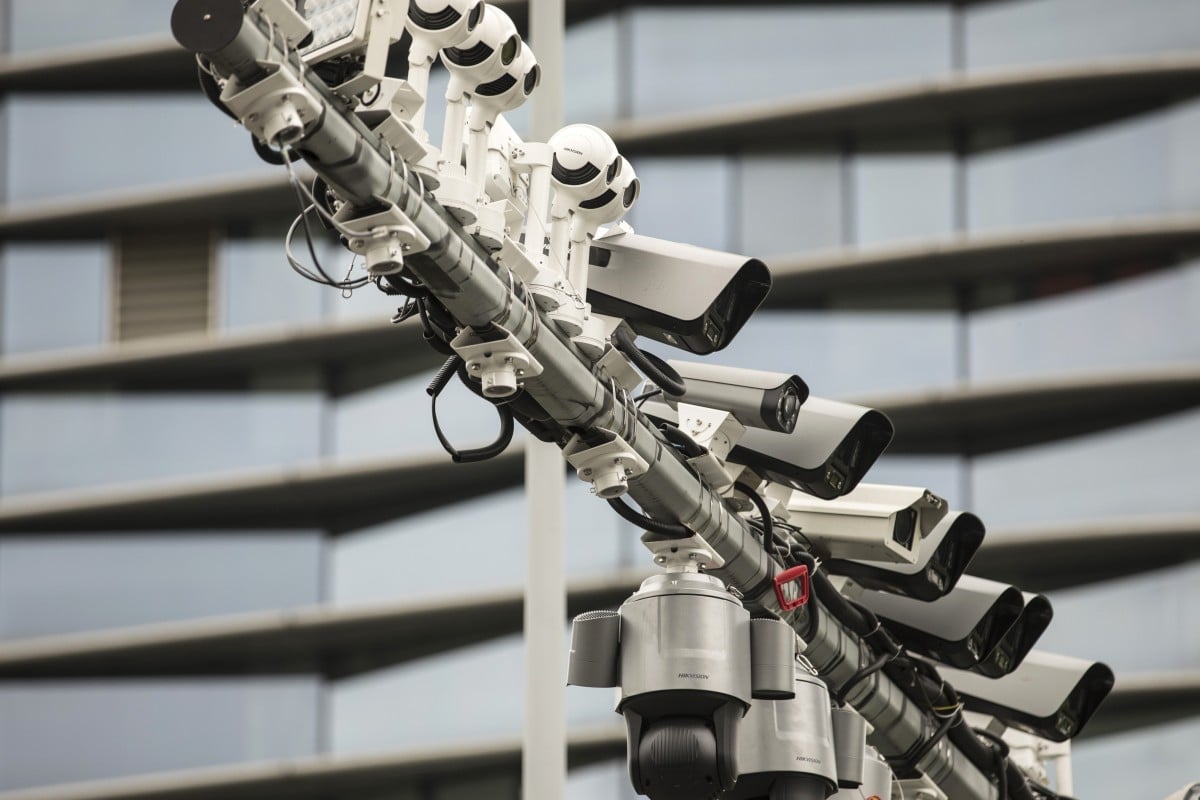
It took 20 minutes of arguing before the hotel in downtown Shenzhen finally allowed Wang Qiyu to check in without taking a scan of his face.
Wang, a software developer who returned to China two years ago after getting his doctorate in the US, said he felt harassed by the hotel. “Airport, train stations, stores and hotels – almost every organisation asks for facial data,” the 31-year-old told the South China Morning Post. “But no one tells me why they collect the data and how they protect it.”
He is not alone: Chinese consumers, generally thought to be more accepting of trading privacy for security, are growing increasingly vocal about data privacy concerns as facial recognition becomes more common in the world’s most populous country.
Earlier this month, a law professor in east China sued a wildlife park for breach of contract after it replaced its fingerprint-based entry system with one that uses facial recognition.
Guo Bing, an associate law professor at Zhejiang Sci-tech University, reportedly said he believed Hangzhou Safari Park’s change to the entry system was an infringement of his consumer rights.
“The purpose of the lawsuit is not to get compensation but to fight the abuse of facial recognition,” Guo was quoted as saying in a report by Southern Metropolis Daily.