China’s top school Tsinghua creates chip college to address severe talent shortage
- The semiconductor school is based on Tsinghua’s original departments of microelectronics, nanoelectronics and electrical engineering, according to state news
- Beijing made innovation a top priority in its five-year plan last month, identifying seven sectors for priority research funding, including AI and chips

China’s prestigious Tsinghua University has established a specialised chip college to train much-needed semiconductor engineers, showing its commitment to the national goal of chip self-efficiency amid a global shortage exacerbated by the tech war between Washington and Beijing.
The new school of integrated circuits (ICs) is based on the original department of microelectronics and nanoelectronics and department of electrical engineering, according to state news agency People.cn. The university introduced the semiconductor major back in 1956 and the school has cultivated more than 4,000 undergraduates, 3,000 postgraduates, and 500 PhDs in the IC field, the report said.
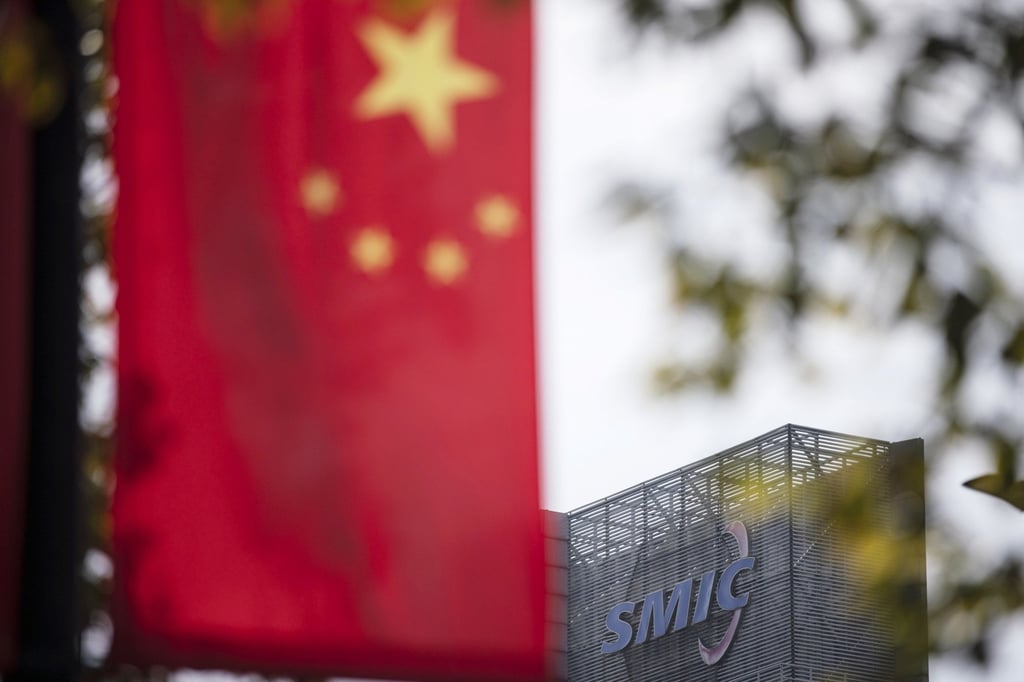
“The setting up of a school of integrated circuits at Tsinghua University comes amid the country’s significant strategic needs,” the new school said in a statement posted on its official WeChat account. “We focus on key areas the country is looking at and this is an important step for us to develop and groom high-level IC students in this talent-starved industry.”
“[We] must continuously improve the quality of training, [we] must think of what the country thinks of, worry about what the country worries about, and meet the needs of the country,” Xi said, who also invoked a Mao-era phrase to praise Tsinghua for its tradition of producing students who were “both red and professional”.
The lack of semiconductor talent is proving a drag on China’s attempts to catch up with the West in advanced technologies. To fill the gap, it has been trying to lure talent from Taiwan, especially senior executives with experience in managing chip plants.