How China’s rigid Covid-19 policy paralyses its manufacturing heartland
- Stringent Covid-19 controls have disrupted logistics in China’s manufacturing hub, leaving small factories struggling
- Trucks drivers in cities across the Yangtze River Delta need to go through frequent Covid tests and strict quarantines
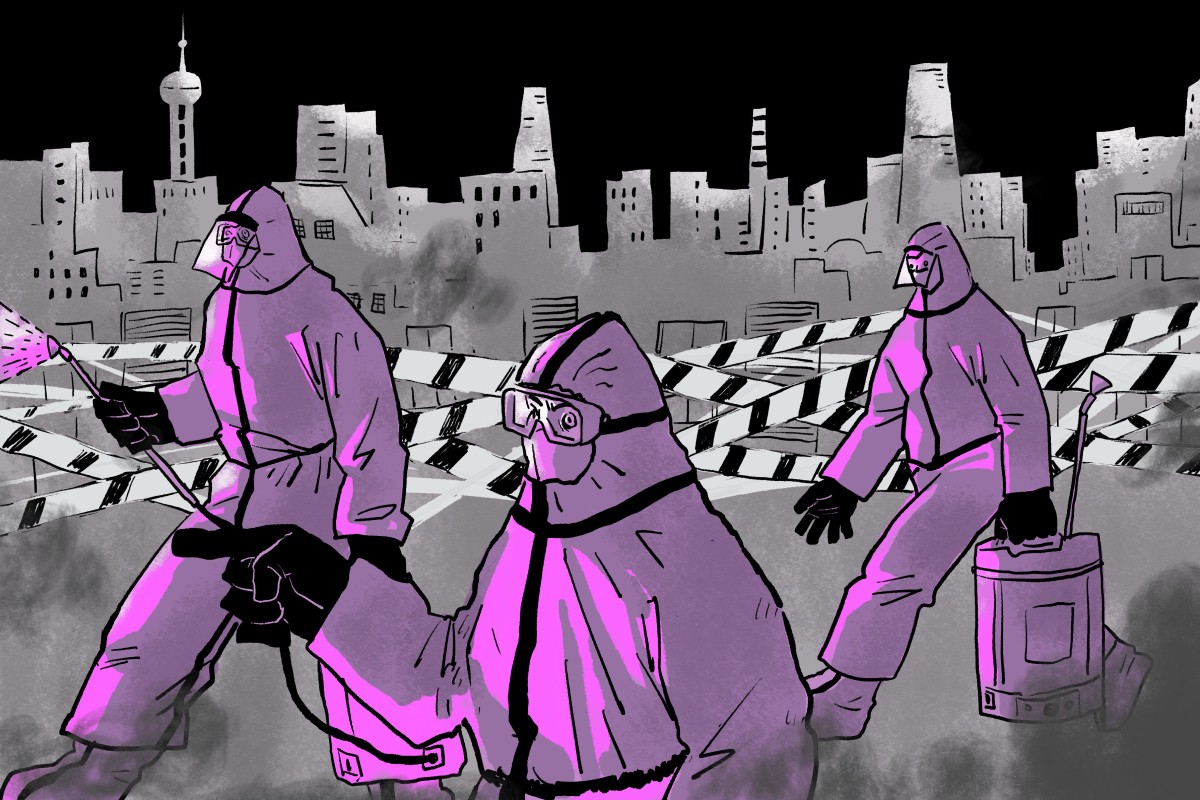
For the past six weeks, Zhao Xubing has been mostly confined to his home in Zhangjiagang, a county-level city of 1.4 million people in eastern China’s Jiangsu province.
The truck driver, who earns 5,500 yuan (US$818) a month delivering fabricated metal products between Zhangjiagang and nearby cities such as Kunshan and Taicang, was ordered to stay home to test for Covid-19 every three days, as the Yangtze River Delta area has been caught up in Shanghai’s lockdown since April 1.
Zhao, his wife and their son have consistently tested negative for Covid-19, even though the highly transmissible Omicron variant had infected more than half a million Shanghai residents since March 1 – though most were asymptomatic – as the virus raced its way through China’s commercial hub. Still, Shanghai’s citywide lockdown and partial shutdowns in the Yangtze River Delta forced one of China’s biggest and most vibrant manufacturing regions to a halt, and there has been barely any work for Zhao.
Shanghai’s lockdown has upended tens of thousands of businesses in the city of 25 million residents, from corner stores and restaurants to multinational investors like Tesla and General Motors. City authorities have allowed more than 2,000 manufacturers to resume work since late April under so-called closed loops, where workers have to undergo daily nucleic acid tests and sleep on-site to ensure zero contact with outsiders.
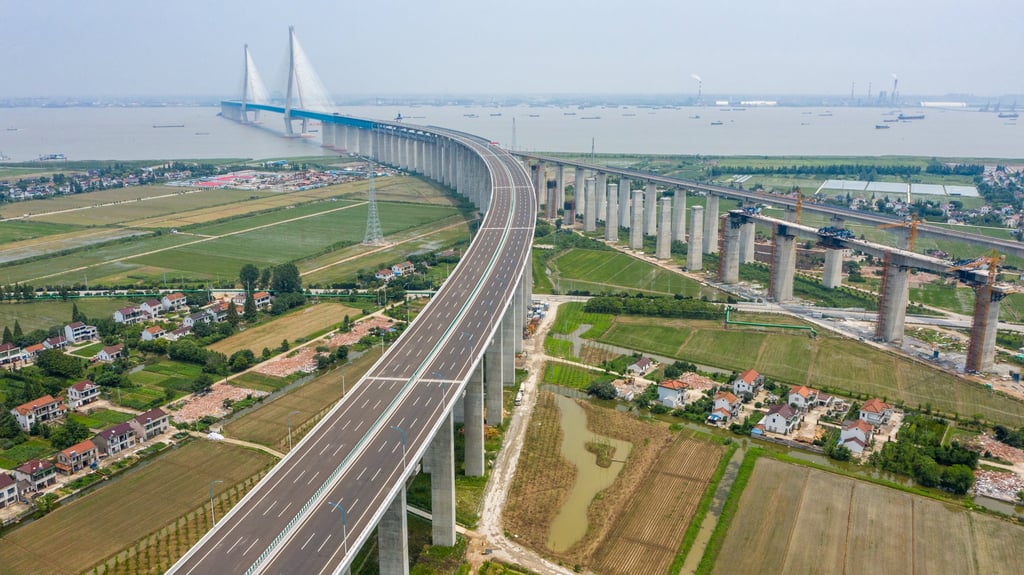
The draconian measures idled most factories, as few assemblers could accommodate more than a fraction of their workers on site.
A survey of 667 public companies operating in the Yangtze River Delta found around half of them operating at less than 30 per cent capacity, according to a report earlier this month by state-owned Shanghai Securities News. More than 70 per cent of respondents said “hindered logistics and broken supply chains” were the main issue preventing them from fully resuming business.