A surprising factor in the extinction of the dinosaurs may have been how long their eggs took to hatch
Dinosaur eggs took more than twice as long to hatch compared with birds’ eggs
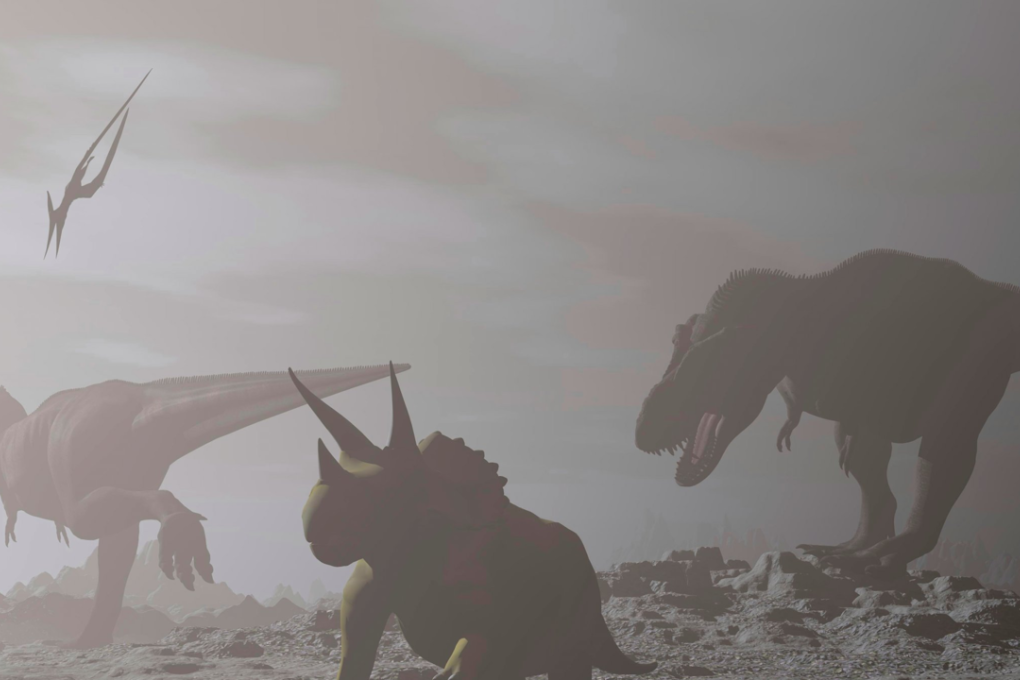
Approximately 66 million years ago, a massive asteroid or comet smashed into the Earth near what we now think of as the Yucatan peninsula of Mexico. In India, at a place called the Deccan Traps, a period of intense volcanic eruption began — one that would last tens of thousands of years.
These catastrophic and powerful events are often considered the primary causes of the mass extinction event at the end of the Cretaceous period that wiped out most of the dinosaurs along with 75 per cent of life on the globe.
But brand-new research reveals another factor that may have played a role in ending the era of the most massive creatures to ever walk the surface of the planet. It seems dinosaur eggs took a particularly long time to hatch. That means that when they had to compete for sparse resources in a post-extinction event world with the more efficient amphibians, reptiles, birds, and mammals that made it through that era into the next one, dinosaurs may have lost out.
Compared to reptiles, birds lay few eggs, and they are particularly large. This could hamper their competitiveness, since it exposes them to destructive risks. But bird eggs hatch about twice as fast as reptiles (their behaviour keeps eggs warm and stable), which researchers think helps enough survive to hatch. Dinosaurs still exist in the form of birds — avian dinosaurs — and so researchers thought that the eggs of the non-avian varieties would still hatch at about the same fast rate as bird eggs do. After all, from what we can tell, non-avian dinosaur and bird eggs have similar structures and birds are the only remaining dinosaurs for us to base these hypotheses on.
But the new study, published January 2 in the journal Proceedings of the National Academy of Sciences, reports that dinosaur eggs took far longer to hatch. For one species studied, researchers estimate that a comparable bird egg would take between 40 and 82 days to hatch. The dinosaur egg, it seems, would have incubated between 83 and 171 days before it was ready, more like a reptile.
And that changes a lot of what we know about dinosaurs.