Curing the incurable? US scientists unveil powerful new tools to fix genetic faults

US scientists on Wednesday unveiled two new molecular editing tools designed to fix mutations that cause most human genetic diseases, some of which have no known treatment.
One technique, by David Liu of Harvard University and the Broad Institute of MIT, offers a highly precise way to fix single-letter mistakes in genes, which are stretches of deoxyribonucleic acid or DNA.
A second, by Broad Institute molecular biologist Feng Zhang, focuses on editing ribonucleic acid or RNA, which carries the genetic instructions to make proteins, without altering DNA.
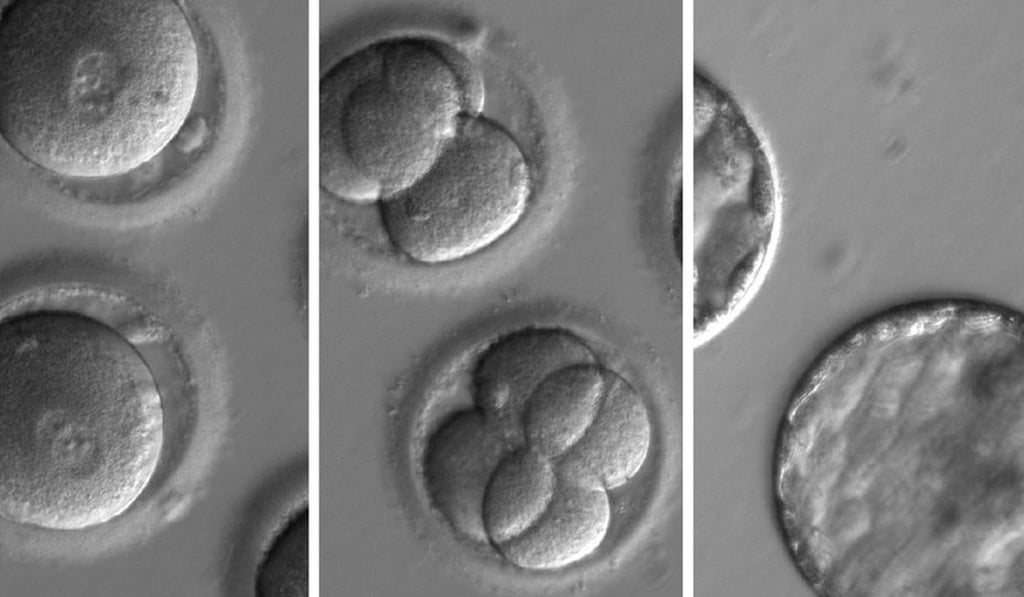
Both techniques build off of the game-changing CRISPR-Cas9 gene editing tool, a type of molecular scissors for trimming unwanted parts of the human genome to replace with new stretches of DNA. The genome consists of six billion DNA letters, or chemical bases.
In a paper published on Wednesday in the journal Nature, Liu and colleagues build on his pioneering work called base editing. Unlike CRISPR, which causes breaks in DNA, base editing chemically corrects single-letter errors in DNA.