ExclusiveChina’s education system kills initiative and creativity, says co-founder of Angry Birds mobile game
Finnish co-founder of early education start-up is bringing the country’s famed education system to Asia

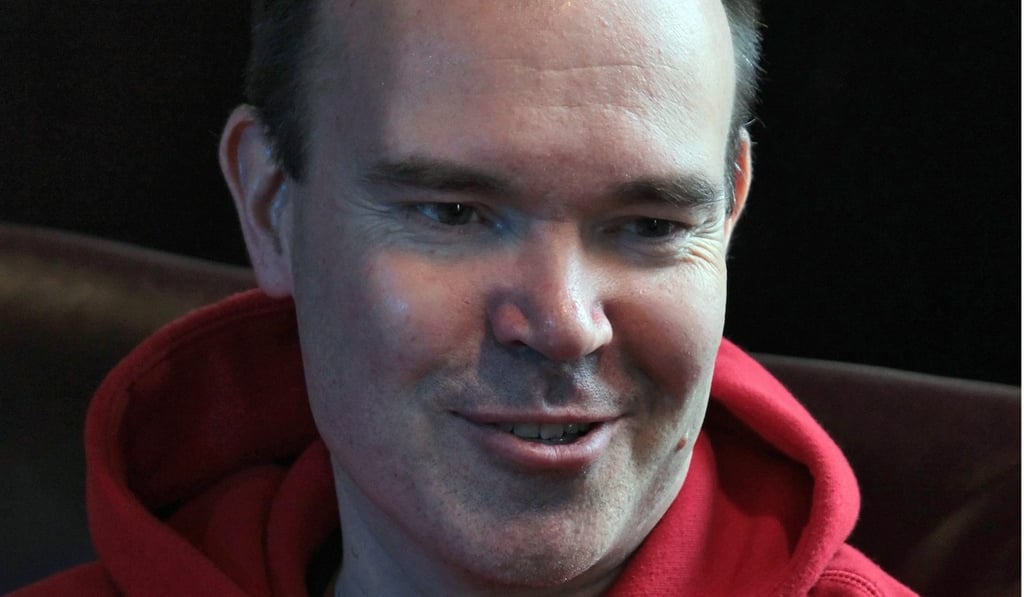
Peter Vesterbacka, one of the key people behind the addictive Angry Birds mobile game, thinks China’s education system is a stumbling block to the country’s ambitions to lead in the next wave of technological innovation. His solution: shorter school hours and less homework.
The Finnish national, who co-founded an early education start-up called Fun Academy last year, is taking the country’s famed education system to Asia. The company now operates kindergartens in Shanghai, Nanjing, Chengdu, Hong Kong and Singapore. There are big opportunities in China’s education industry, which “needs to be improved with more engagement, more fun and more efficiency”, said Vesterbacka.
“The education in mainland China, Hong Kong and generally in Asia has very long school days and a lot of homework, which I think kills initiative and creativity,” Vesterbacka said in an interview in Shenzhen, where he was a speaker at the Mars Summit technology conference. “The very traditional education in China, I think, seems opposite to the nation’s encouragement of establishing start-ups, which need creativity. It will be a big challenge.”
Kindergartens like Vesterbacka’s Fun Academy compete in Asia with other self-directed learning programmes such as the Montessori Method and the Emilia Reggio approach, where they are gaining in popularity.
However, Fun Academy said it differs in its use of “modern tools of the digital age” so children become “creative problem solvers in a complex world”.
Chinese students spend an average of two hours a day on homework, twice as long as the global average, but do not get stronger sense of achievement, according to a report by the official state-run China Youth & Children Research Centre. In Finland, school children spend three hours on homework in a week, or less than 30 minutes a day.