Berkeley NFT contest auctions off piece related to Nobel-Prize-winning data for cancer treatments
- Berkeley alumni won an auction for a digital version of the invention disclosure form for Nobel-Prize winning work used for cancer treatments
- The 30 graduates were exploring the use of blockchain to promote research and outbid three anonymous bidders

A group of University of California at Berkeley alumni exploring the use of blockchain technology to promote research were the winning bidders in a first-of-its-kind auction of digital data related to Nobel-Prize-winning work on groundbreaking cancer treatments.
Some 30 graduates, many from the university’s Blockchain at Berkeley, formed a venture capital-like group known as a decentralised autonomous organisation, and outbid three anonymous bidders. Last-minute bidding drove the price up to 22 ethereum, equal to a little more than US$55,000, for the non-fungible token of the digitised documents.
“We are the very proud owners of the world’s first Nobel NFT,” said Justine Humenansky, a Berkeley graduate who’s an investor with Playground Global in Palo Alto, California, which specialises in early-stage companies.
Humenansky and other Berkeley grads formed FiatLuxDAO, for the school’s motto of “Fiat Lux” or “Let There be Light”, after learning of the auction. She said the group is looking into how to “leverage the power of cryptocurrency to finance research or research-oriented endeavours”.
“Both the NFT and the DAO are extremely cutting edge for a 150-year-old university to be leading the way,” she said. “This is expanding NFTs as an asset class.”
Non-fungible tokens are unique identifiers of digital data that effectively act as certificates of authenticity for their owners. While the underlying technology has been around for a decade, there’s been a recent sales frenzy with assets such as artwork, a tweet and even a digital mosaic that sold for US$69.3 million in March.
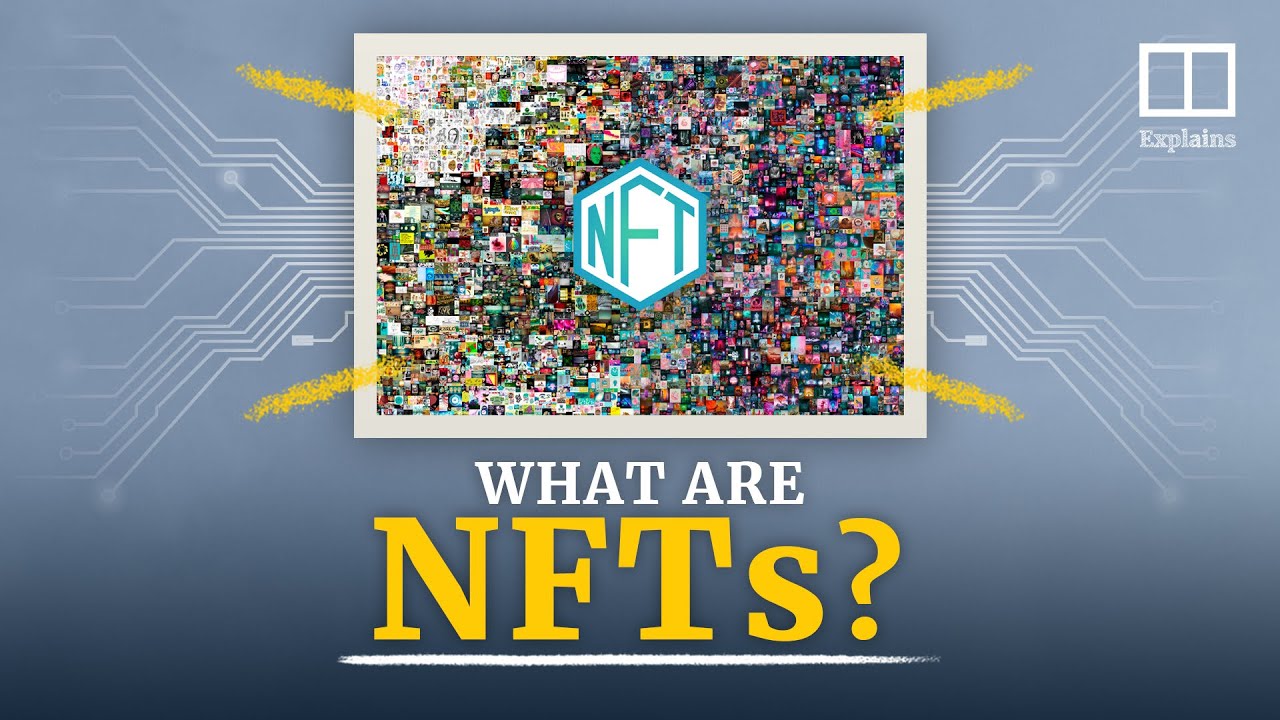
05:15
SCMP Explains: What are NFTs?
Berkeley offered a digital version of the invention disclosure form, the data given to the patent lawyers so they can file applications, on immunologist James Allison’s work that led to his sharing the 2018 Nobel in Physiology or Medicine, as well internal notes that include the line “This is the data that has got us excited”.