South Korea’s President Yoon wants bigger tax breaks to boost its semiconductor sector
- Big companies will get a tax credit of 15 per cent on investments on manufacturing facilities, up from the planned 8 per cent under legislation passed last month
- It is uncertain whether the revised bill will gain the necessary support of the majority-wielding opposition party at the national assembly

Big companies will get a tax credit of 15 per cent on investments on manufacturing facilities, up from the planned 8 per cent under legislation passed last month, according to a finance ministry statement. Smaller companies’ capex spending will get a tax break of 25 per cent, up from 16 per cent. Any additional investment in chip-making in 2023 will get another 10 per cent tax break, the ministry said. The broadened plan, which will be proposed this month, could reduce the tax burden on companies by more than 3.6 trillion won (US$2.8 billion).

02:42
Biden tours new Taiwanese chip-making plant in Arizona, fans US-China semiconductor rivalry
It is unusual for an administration to propose substantive changes so soon after lawmakers pass a bill. Yoon ordered his government just last week to devise stronger incentives to drive its chip industry, accusing opposition lawmakers of impeding that critical effort as other countries spend billions on semiconductor policy support.
It is uncertain whether the revised bill will gain the necessary support of the majority-wielding opposition party at the national assembly. Opponents argue that such incentives endanger government finances and would only benefit big firms.
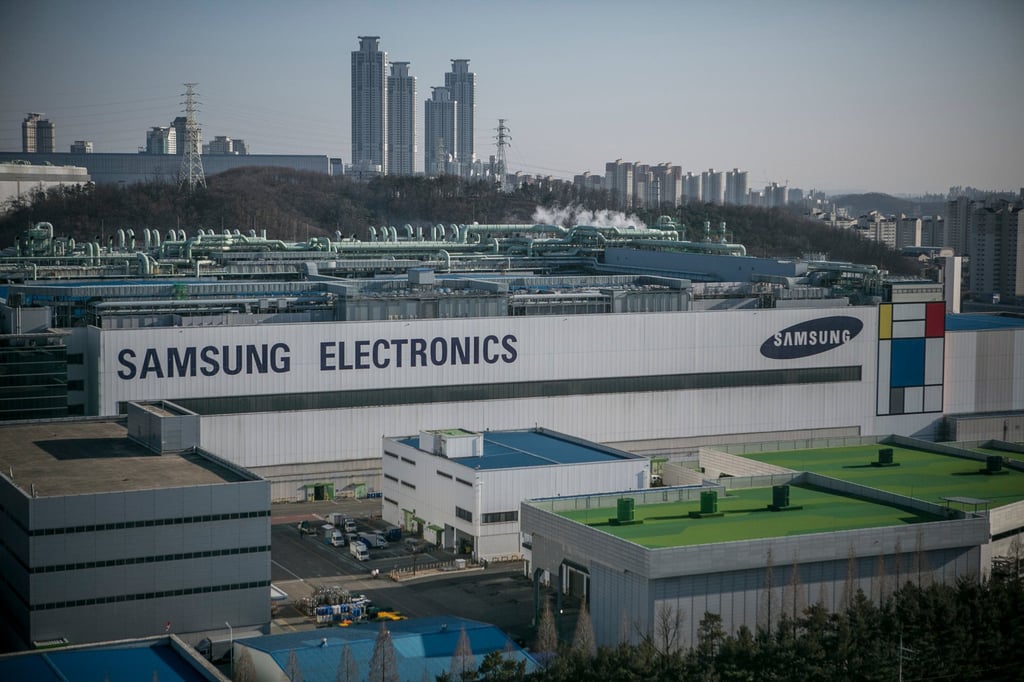
In a strongly worded statement, Yoon blasted a bill passed on December 23 with a smaller-than-envisioned tax cut for corporates. It called for a tax break of 8 per cent for big companies, falling shy of the 20 per cent that a special committee of experts had previously recommended.